
VerdictAI

Reviewer consensus · 2026

Best Backup Cameras (Aftermarket) of 2026What 44 reviewers actually think, trust-weighted

Aftermarket backup cameras span a wide range, from $30 license-plate clip-ons to $300+ solar wireless RV kits with multi-camera split screens. The picks below synthesize what verified-purchase reviewers, RV and car-audio specialist communities, and mainstream YouTube installers have said across thousands of reviews, with extra weight given to high-trust forum consensus and the small number of independent test-based writeups in the source pool. Where flagged or unverified sources disagreed with specialist communities, we discounted them.

Sources behind this verdict

44 reviewers, weighted by source trust

44reviewers read

Weighted by source trust

We don’t review products. We read what other reviewers wrote, score each source for trustworthiness, and synthesize the consensus.

How sources are scored →

At a glance

Highest-rated by the consensus

#1 of 5
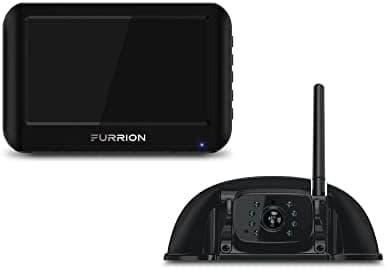
Top pick · #1Furrion Vision S Wireless RV Backup Camera System with 4.3-Inch Monitor, 1 Rear Sharkfin, Infrared Night…
Best for RV / trailer

Furrion Vision S Wireless RV Backup Camera System with 4.3-Inch Monitor, 1 Rear Sharkfin, Infrared Night…

Furrion

★★★★★4.5(6,415)82Great

Across the reviewers we read, the Furrion Vision S is treated less as a standout camera and more as the default choice for anyone with a Furrion-prewired RV — which is a lot of buyers. Walmart verified-purchase reviews and irv2.com forum posts in the source data converge on the same picture: stable digital signal at highway speed, 10-15 minute install on pre-wired rigs, and a usable (if not class-leading) image.

The rest of the rankings

#2,5

Frequently asked

5 questions
Are wireless backup cameras reliable enough for towing a trailer or RV?
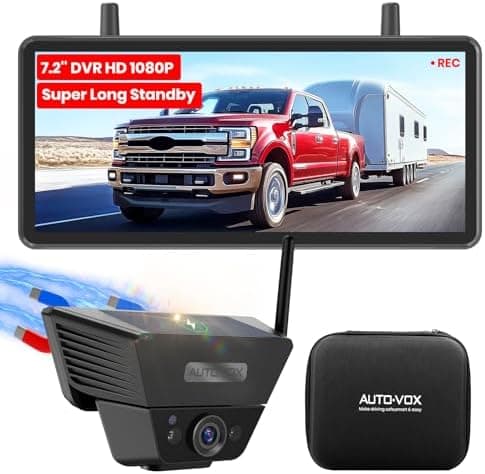
Mostly yes for short trailers, with caveats. Across r/GoRVing, r/TruckCampers and r/traveltrailers threads in the source pool, wireless solar/magnetic kits get praise for ease of install but recurring complaints about signal stutter and dropouts, especially on longer rigs. A car-and-driver test cited in the data also flagged wireless transmission as unreliable on at least one budget magnetic model. If you tow a 30+ ft trailer, a wired digital system or a brand-matched RV system (e.g. Furrion on pre-wired RVs) tends to be more dependable.
License-plate camera vs. flush-mount camera — which is better?
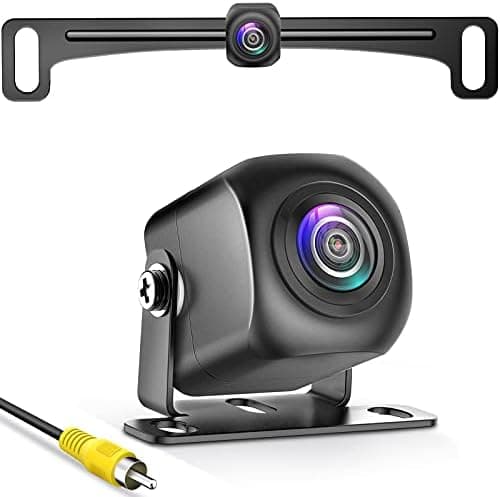
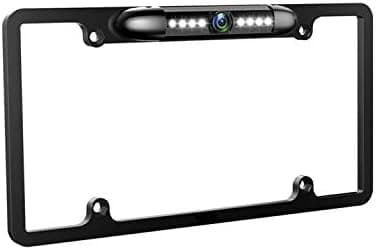
License-plate cameras are dramatically easier to install (often 15-30 minutes, no body drilling) but multiple specialist-community threads in our data call out their image quality and night vision as mediocre compared to dedicated flush-mount cameras. If your priority is a clean OEM look and best image, a flush-mount or tailgate-handle camera wins. If your priority is cost and quick install on a car that has no camera at all, a plate-frame model is the obvious answer.
Do I need 1080P, or is lower resolution fine for a backup camera?
1080P is now standard at almost every price point and is worth having, but resolution alone doesn't determine usable image quality. Sensor type (CMOS starlight/CCD), low-light performance, and the monitor's panel quality matter as much or more. Reviewers in our pool repeatedly note that some 1080P-labeled budget cameras still wash out in bright sun or smear at night, so cross-check night-vision feedback specifically.
Will an aftermarket backup camera work with my factory infotainment screen?
Sometimes, but not plug-and-play in most cases. Many kits in this category ship with their own dedicated monitor for that reason. Integrating into a factory head unit usually requires a vehicle-specific interface module or an aftermarket stereo that accepts a composite/AHD camera input. The cleanest path for most buyers is to use the included monitor or a mirror-mount display.
How long do aftermarket backup cameras typically last?
Specialist forum threads in our data suggest 2-5 years is a realistic expectation for mid-priced wireless and solar models, with failures most often tied to weather sealing, battery degradation on solar units, or transmitter issues. Wired cameras with metal housings and IP69K ratings (like the PixelMan PMD2A-S referenced in r/CarAV) tend to outlast plastic wireless units, especially in cold climates.