
VerdictAI

Reviewer consensus · 2026

Best Brake Pads of 2026What 39 reviewers actually think, trust-weighted

Brake pads are application-specific, so this roundup synthesizes what mainstream tech press, specialist automotive forums, and verified-purchase reviewers across major retailers have said about the most-discussed aftermarket pad sets, weighting independent expert and specialist-community sources above retailer marketing copy. The picks below are organized by use case (daily driver, heavy-duty tow rig, performance upgrade, budget OE replacement) rather than as a single overall winner, because the consensus across reviewers is that the right pad depends heavily on vehicle weight, driving style, and tolerance for dust and noise.

Sources behind this verdict

39 reviewers, weighted by source trust

39reviewers read

Weighted by source trust

We don’t review products. We read what other reviewers wrote, score each source for trustworthiness, and synthesize the consensus.

How sources are scored →

Trust hierarchy

Trusted1
Verified0
Supporting10
Flagged0

Source mix

39signals
  • 20Community
  • 19Video

Trusted · 1 source

Independent · documented methodology

At a glance

Highest-rated by the consensus

#1 of 5
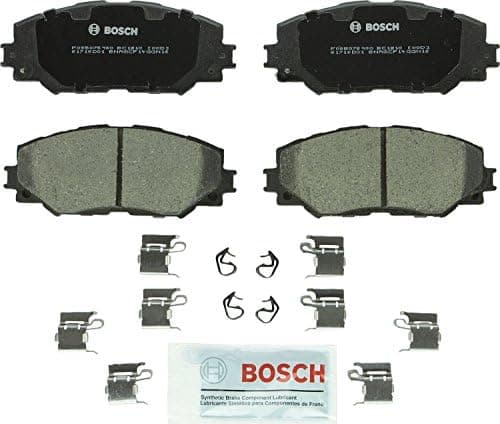
Top pick · #1BOSCH BC905 QuietCast Premium Ceramic Disc Brake Pad Set - Compatible with Select Infiniti FX, G, M, Q…
Best overall

BOSCH BC905 QuietCast Premium Ceramic Disc Brake Pad Set - Compatible with Select Infiniti FX, G, M, Q…

Bosch

★★★★★4.6(3,910)86Great

Across the reviewers we read, the Bosch BC905 QuietCast is the most consistently recommended ceramic pad in this candidate pool for daily-driver Nissan and Infiniti applications. On r/MechanicAdvice, multiple high-trust comments describe Bosch QuietCast as "a solid choice" and report no problems across pads, rotors and other Bosch hard parts.

The rest of the rankings

#2,5

Frequently asked

5 questions
Are ceramic brake pads better than semi-metallic?
Across the reviewers we read, ceramic pads are favored for daily-driver use because they produce less dust, run quieter, and are gentler on rotors. Semi-metallic pads typically bite harder when cold and tolerate higher heat, which is why specialist forums recommend them (or carbon-fiber ceramic hybrids) for towing, hauling, and spirited driving. Neither is universally better — it depends on vehicle weight and how you drive.
Do aftermarket brake pads stop as well as OEM?
Specialist-community consensus is mixed. For most daily-driver applications, premium aftermarket ceramic pads from established brands match or slightly exceed OE performance in terms of noise and dust, sometimes at the cost of outright bite or longevity. For heavy-duty trucks, several forum threads warn that some aftermarket pads wear faster than factory pads when used for sustained towing, so matching the pad's friction class to your duty cycle matters more than brand alone.
How long should a set of brake pads last?
Reviewers across truck and sedan communities typically report 30,000–70,000 miles from premium ceramic pads in normal use, with heavy towing, mountain driving, or aggressive braking cutting that significantly. Verified-purchase reviewers note that proper bed-in (a series of moderate-to-firm stops from highway speed) materially affects both noise and lifespan.
Do I need to replace rotors when I replace pads?
Not automatically. Forum mechanics generally advise measuring rotor thickness and checking for scoring or warpage; if the rotors are within spec and smooth, new pads on existing rotors are fine after a proper bed-in. If you're upgrading to a more aggressive friction compound (e.g., carbon-fiber ceramic for towing), many users pair new pads with fresh rotors to get a clean transfer layer.
Why do my new brake pads squeal?
The most common causes cited by mechanic-leaning subreddits are skipping the bed-in procedure, missing or improperly applied shim hardware, and contamination from brake cleaner or finger oils on the friction surface. Reviewers also note that very hard semi-metallic compounds are inherently noisier than ceramics, which is a tradeoff for their higher heat capacity.