
VerdictAI

Reviewer consensus · 2026

Best Fuel Injector Cleaners of 2026What 50 reviewers actually think, trust-weighted

Fuel injector cleaners are one of the most-debated categories in DIY car care, and the consensus across mainstream tech press, specialist enthusiast forums, and verified-purchase reviewers is surprisingly consistent: the products worth buying use polyetheramine (PEA) chemistry, and the rest are mostly upper-cylinder lubricants. The picks below synthesize what reviewers across the internet have written, weighted toward long-running specialist communities like bobistheoilguy.com and high-engagement automotive subreddits, with retailer and YouTube signals treated as corroboration. Where reviewers disagree, we surface the disagreement rather than smooth it over.

Sources behind this verdict

50 reviewers, weighted by source trust

50reviewers read

Weighted by source trust

We don’t review products. We read what other reviewers wrote, score each source for trustworthiness, and synthesize the consensus.

How sources are scored →

At a glance

Highest-rated by the consensus

#1 of 5
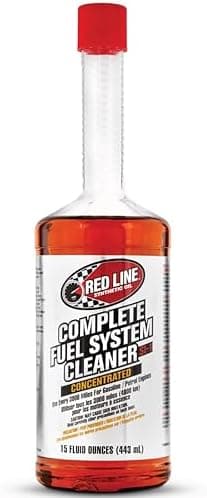
Top pick · #1Red Line 60103 SI-1 Complete Fuel System Cleaner - 15 Ounce- Fuel Injector Cleaner and Carburetor Cleaner for…
Best Red Line SI-1

Red Line 60103 SI-1 Complete Fuel System Cleaner - 15 Ounce- Fuel Injector Cleaner and Carburetor Cleaner for…

Red Line

★★★★★4.8(9,006)91Excellent

Across the reviewers we read, Red Line SI-1 is the cleaner that specialist communities point to when the conversation turns to PEA concentration. A high-trust thread on bobistheoilguy.com describes ten years of regular use without issue, and r/MechanicAdvice consensus repeatedly claims SI-1 carries a noticeably higher PEA load than Techron, with one widely cited comment putting Techron at roughly 20-30% less concentrated.

The rest of the rankings

#2,5

Frequently asked

5 questions
Do fuel injector cleaners actually work?
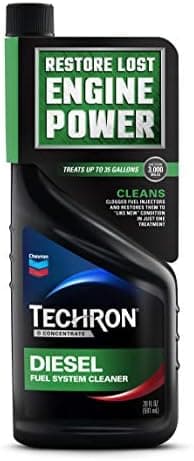
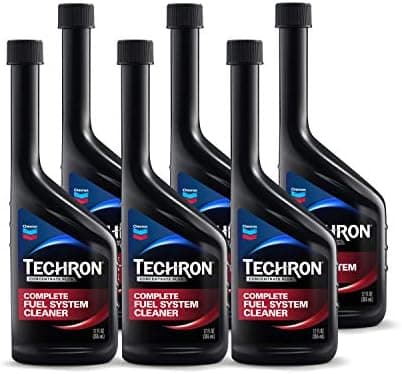
The consensus among specialist communities is that PEA-based cleaners (Chevron Techron, Red Line SI-1, BG 44K) do measurably reduce carbon deposits on injectors and intake valves over a tank or two of driving, while non-PEA "fuel treatments" function more as upper-cylinder lubricants or stabilizers. Don't expect miracles on a healthy engine, the bigger gains show up on neglected or higher-mileage vehicles.
How often should I use a fuel injector cleaner?
Most mechanics quoted across forum discussions suggest a PEA-based cleaner every 3,000-6,000 miles, or roughly every oil change, for preventive maintenance. Heavier one-tank treatments like BG 44K are typically used less often (every 10,000-30,000 miles) for a deeper clean.
Is PEA better than other fuel cleaner chemistries?
Across the reviewers we read, polyetheramine (PEA) is widely considered the most effective active ingredient for removing existing carbon deposits, particularly on intake valves and injector tips. Other chemistries like polyisobutylene amine (PIBA) are decent at preventing deposits but less aggressive at removing them.
Will a fuel injector cleaner help with direct-injection (GDI) engines?
In-tank cleaners only reach the intake valves on port-injected engines. On GDI engines, the fuel bypasses the intake valves entirely, so in-tank PEA cleaners help the injectors and combustion chamber but won't clean intake valve carbon, that typically requires a walnut blast or an intake-side service.
Is Red Line SI-1 stronger than Chevron Techron?
Specialist subreddit threads and bobistheoilguy.com discussions repeatedly claim Red Line SI-1 has a higher PEA concentration than Techron (figures of roughly 20-30% higher get cited), though neither manufacturer publishes exact concentrations. Techron's advantage is broader availability and a longer track record of lab testing references.