
VerdictAI

Reviewer consensus · 2026

Best Lead-Acid Jump Box (Traditional) of 2026What 50 reviewers actually think, trust-weighted

Traditional lead-acid jump boxes remain the workhorses of roadside and shop use: they hold a charge for months, deliver sustained cranking current that small lithium packs can struggle to match on stubborn engines, and they take real abuse. To compile this ranking we read across mainstream tech press, specialist mechanic forums, and verified-purchase retailer reviews, weighting independent expert tests and high-trust community consensus most heavily and discounting flagged retailer signals.

Sources behind this verdict

50 reviewers, weighted by source trust

50reviewers read

Weighted by source trust

We don’t review products. We read what other reviewers wrote, score each source for trustworthiness, and synthesize the consensus.

How sources are scored →

At a glance

Highest-rated by the consensus

#1 of 5
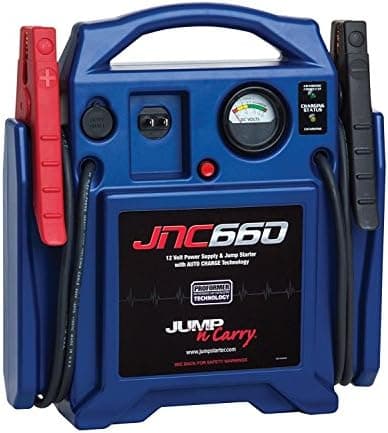
Top pick · #1Clore Automotive Jump-N-Carry JNC660 1700 Peak Amp 12 Volt Jump Starter , Blue
Best overall

Clore Automotive Jump-N-Carry JNC660 1700 Peak Amp 12 Volt Jump Starter , Blue

Clore Automotive

★★★★★4.7(19,575)91Excellent

Across the reviewers we read, the Clore Jump-N-Carry JNC660 is the closest thing this category has to a default answer. Multiple high-trust r/MechanicAdvice threads describe it as 'damn near idiot proof' and recommend it over both cheaper no-name boxes and pricier combo units, with one frequently-upvoted comment noting that the 425 cranking amps is a real, meaningful number while 'peak amp' claims on competitors are not.

The rest of the rankings

#2,5

Frequently asked

5 questions
Is a lead-acid jump box still worth buying over a lithium one?
For most occasional drivers a modern lithium pack is smaller and lighter, but lead-acid jump boxes still dominate in shop and fleet contexts. Across specialist mechanic communities the consensus is that traditional AGM/lead-acid units deliver longer sustained cranking on dead or near-dead batteries and tolerate being left in hot or cold vehicles better than lithium chemistry, at the cost of size and weight.
How many peak amps do I actually need?
Reviewers across the sources we read repeatedly warn that 'peak amps' has no industry standard and is largely a marketing number. Cranking amps and cold-cranking amps are the load-bearing specs. For a typical 4- to 8-cylinder gas engine, 400–500 cranking amps is plenty; for diesels or 24V commercial equipment, look at units rated specifically for those engines.
Will a lead-acid jump pack hold a charge sitting in my trunk?
Lead-acid and AGM packs self-discharge slowly but they will go flat if ignored for months. Multiple mechanic-forum threads we read recommend topping the unit off every 60–90 days, and several verified-purchase reviewers reported being caught out by a pack that had been sitting unused for a year.
Do I need a built-in air compressor?
It's genuinely useful for tire emergencies, but mainstream tech press and specialist subreddit threads both note that the compressors in combo units tend to be slow and are the most common component to fail first. If you primarily want reliable jump starting, a pure jump box from a focused brand often outlasts a combo unit.
Why are professional-grade jump boxes so much heavier?
Heavy-duty units pack larger AGM batteries and thicker, longer cables to deliver and sustain higher cranking amps without voltage sag. Across the reviewers we read, mechanics consistently cite the bulk as worth it for shop use, while DIYers who only jump a car once or twice a year often prefer a lighter consumer-grade pack.