
VerdictAI

Reviewer consensus · 2026

Best Motor Oil of 2026What 50 reviewers actually think, trust-weighted

Motor oil is a category where marketing claims pile up faster than empirical data, so this roundup leans heavily on what specialist oil-analysis communities, high-mileage retailer reviewers, and verified mechanics actually report after thousands of miles in real engines. We synthesized signals from long-running enthusiast forums, large-volume verified-purchase reviews at major auto retailers, and high-trust subreddits like r/MechanicAdvice and r/cars to find which jugs of synthetic actually earn their shelf space. A recurring caveat across the reviewers we read: most name-brand full synthetics in the same viscosity grade test closer than their marketing suggests, so OEM specs and change intervals matter more than chasing the 'best' brand.

Sources behind this verdict

50 reviewers, weighted by source trust

50reviewers read

Weighted by source trust

We don’t review products. We read what other reviewers wrote, score each source for trustworthiness, and synthesize the consensus.

How sources are scored →

At a glance

Highest-rated by the consensus

#1 of 5
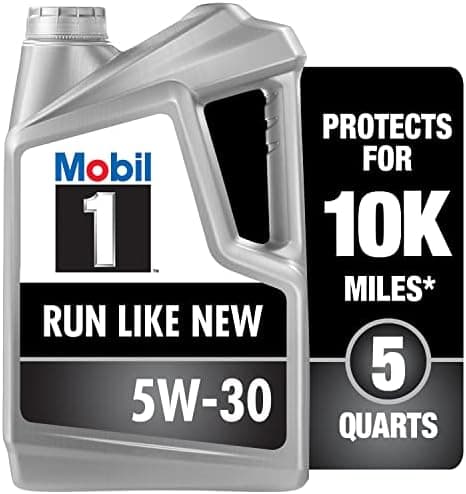
Top pick · #1Mobil 1 Advanced Full Synthetic Motor Oil 5W-30, 5 Quart
Best overall (full synthetic)

Mobil 1 Advanced Full Synthetic Motor Oil 5W-30, 5 Quart

Mobil

★★★★★4.8(7,078)90Excellent

Across the reviewers we read, Mobil 1 Advanced Full Synthetic 5W-30 is the closest thing to a default recommendation in the category. High-trust r/MechanicAdvice threads repeatedly describe it as the oil that 'tests better than any other oil tested' in widely-cited comparisons, and a long-running bobistheoilguy.com thread on this specific SKU documents a user switching to it and planning a used-oil analysis with positive initial impressions.

The rest of the rankings

#2,5

Frequently asked

5 questions
Is full synthetic motor oil worth the extra cost over conventional or blends?
For modern engines, the consensus across the mechanics and oil-analysis communities we read is yes — most newer vehicles specifically require synthetic, and even where it's optional, the cleaner additive packages and better cold-flow protection typically justify the cost. A frequent caveat on r/MechanicAdvice is that 'oil is 95% marketing' once you're inside the name-brand synthetic tier, so the bigger ROI is changing on time rather than chasing premium SKUs.
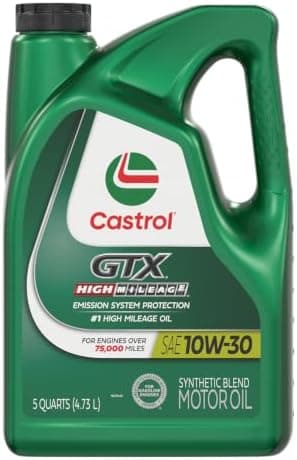
Do I really need a 'high mileage' oil after 75,000 miles?
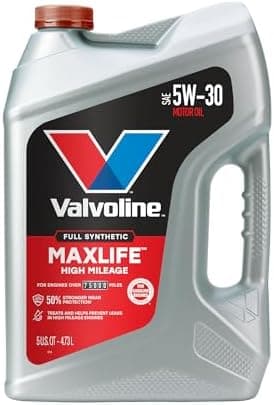
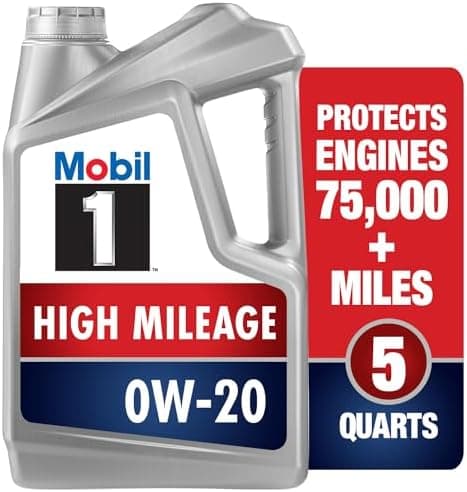
Opinions split. Many mechanics on r/Cartalk and r/MechanicAdvice argue high-mileage oil is largely marketing for engines that aren't leaking or burning oil. But the same threads acknowledge that the extra seal conditioners genuinely help engines that are weeping or consuming oil, and bobistheoilguy.com posters specifically call out Valvoline MaxLife as carrying more seal conditioner and additive than competitors.
Can I switch oil brands between changes?
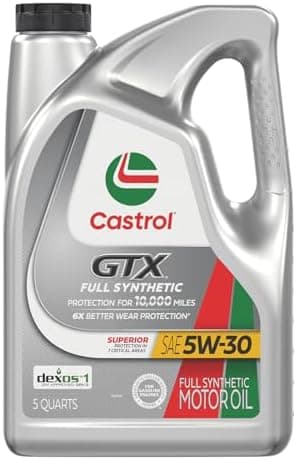
Yes. Across the reviewers we read, all API-certified motor oils in the same viscosity grade are designed to be fully compatible. There's no need to flush or stick with one brand — what matters is that the oil meets the spec your owner's manual lists (dexos1 Gen 3, VW 502.00, Porsche A40, etc.).
How long can I actually go between oil changes on a 'extended performance' synthetic?
Manufacturer claims of 15,000–20,000 miles are real on paper, but the dominant view in r/MechanicAdvice and on bobistheoilguy.com is to stay closer to your vehicle manufacturer's OCI (often 7,500–10,000 miles) unless you're doing used-oil analysis. Filter capacity, fuel dilution and short-trip driving all shorten safe intervals well below the bottle's marketing number.
What's the difference between Euro-spec oils like 0W-40 and standard 5W-30?
Euro-spec oils (ACEA A3/B4, VW 502/505, MB 229.5, Porsche A40, etc.) typically run thicker at operating temperature with higher HTHS values and stronger additive packages aimed at turbocharged direct-injection engines and longer European service intervals. Reviewers consistently warn against substituting them in non-Euro engines that call for a thinner grade — match the spec, not the brand.