
VerdictAI

Independent algorithmic synthesis · 2026

Best Baby Monitors

Baby monitors split into two camps: closed-circuit units with a dedicated parent screen, and Wi-Fi smart cameras that stream to your phone. Across the reviewers we read, the consensus is that neither category is universally better—non-Wi-Fi monitors win on security and reliability, while Wi-Fi models add sleep analytics and remote access at a real privacy and subscription cost. The picks below synthesize verified-purchase reviews, mainstream tech press coverage, and specialist parenting subreddits to flag where reviewers actually agree and where they don't.

Sources behind this verdict

51reviewers read

Weighted by source trust

We don’t review products. We read what other reviewers wrote, score each source for trustworthiness, and synthesize the consensus.

How sources are scored →

Trust hierarchy

Trusted2
Verified1
Supporting18
Flagged0

Source mix

51signals
  • 1Press
  • 30Community
  • 20Video

Trusted · 2 sources

Independent · documented methodology

Verified · 1 source

Documented methodology · commerce-owned

At a glance

RankProductBest forBuyer ratingVerdict scorePriceBuyDetails

Highest-rated by the consensus

#1 of 5
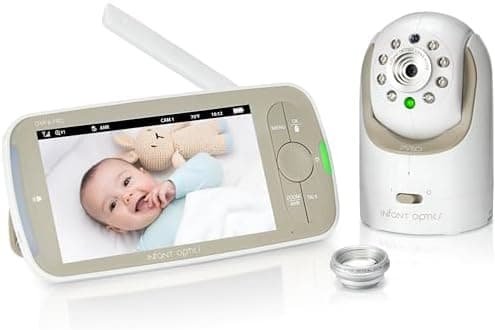
Top pick · #1Infant Optics DXR-8 PRO - Patented Active Noise Reduction (ANR), 5” HD Video Baby Monitor with 1 Camera, No…
Best overall

Infant Optics DXR-8 PRO - Patented Active Noise Reduction (ANR), 5” HD Video Baby Monitor with 1 Camera, No…

Infant Optics

★★★★★4.6(7,008)87Great

Across the reviewers we read, the Infant Optics DXR-8 PRO is the most-recommended closed-circuit baby monitor on the market, and the consensus is unusually consistent. High-trust r/BabyBumps threads describe it as easy to use, with strong range, a big screen, and the ability to add cameras as families grow.

The rest of the rankings

#2,5

Frequently asked

5 questions
Is a Wi-Fi or non-Wi-Fi baby monitor safer?
Across the parenting subreddits and expert reviews we read, non-Wi-Fi monitors are the consensus pick for security-conscious parents because the video feed never touches the internet and can't be remotely hacked. Wi-Fi monitors offer remote viewing and analytics but require trusting the manufacturer's cloud and app security, and reviewers repeatedly flag connection drops as a real-world reliability issue.
What range do I actually need?
Most dedicated parent-unit monitors advertise 900–1,000 ft of line-of-sight range, but verified-purchase reviewers consistently note that walls, floors, and other 2.4 GHz devices cut that significantly. For a typical 2–3 bedroom home, the long-range claims hold up; for larger houses or yard use, reviewers recommend stepping up to a model with a stronger antenna or a Wi-Fi monitor that piggybacks on your home network.
Do I need sleep and breathing tracking?
Reviewers are split. Some parents in the threads we read describe the breathing-band and sleep-insights features on smart monitors as genuinely reassuring during the newborn months. Others—including high-upvoted comments on r/beyondthebump—argue the data adds anxiety more than safety and isn't a substitute for safe-sleep practices.
Are subscription fees common on smart baby monitors?
Yes, and reviewers complain about them often. Smart-monitor owners on r/BabyBumps and r/Buyingforbaby specifically call out paywalled sleep analytics after a free trial year. If you don't want a recurring cost, reviewers point to hybrid models that offer local recording without a subscription, or to traditional closed-circuit monitors.
How long should the parent unit's battery last?
Modern closed-circuit monitors advertise 12–30 hours per charge, usually by relying on a VOX (sound-activated) mode that puts the screen to sleep. Verified-purchase reviewers note that real-world battery life with the screen always on is much shorter—often 5–8 hours—so look for VOX or eco modes if you plan to keep the unit on overnight without it being plugged in.