Power
Electric Breast Pumps
Plug-in, battery-portable, or wearable. The workhorse for daily pumping at work or supplementing.
Top pick
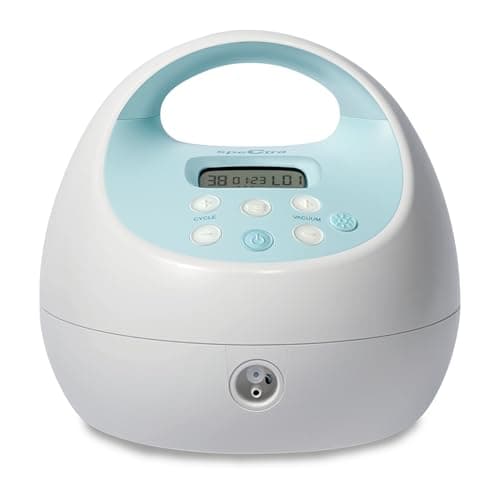
Spectra - S1 Plus Electric Breast Milk Pump for Baby Feeding - Convenient Breast Feeding Support
94/100 Verdict·


Compare powers · 2026
Electric pumps cover the dominant case (regular / daily pumping). Manual pumps are quiet, parts-light, and serve occasional use, travel, or let-down collection. Most parents own at least one of each.
Power
Plug-in, battery-portable, or wearable. The workhorse for daily pumping at work or supplementing.
Top pick
Spectra - S1 Plus Electric Breast Milk Pump for Baby Feeding - Convenient Breast Feeding Support
Power
Hand-powered. Quiet, zero-battery, light, ideal for occasional pumping, milk-collection from let-down, or backup.
Top pick
Medela Harmony Manual Breast Pump, Compact Swiss Design with PersonalFit Flex Shields and Medela's 2-Phase Expression Technology
One pick per power. For the full top-5 inside any variant, use the cards above.
Sources behind this verdict
161 reviewers, weighted by source trust
Weighted by source trust
We don’t review products. We read what other reviewers wrote, score each source for trustworthiness, and synthesize the consensus.
How sources are scored →Trust hierarchy
Source mix
Trusted · 5 sources
Independent · documented methodologySupporting · 29 named sources
SPECTRA
Across the reviewers we read, the Spectra S1 Plus is the closest thing to a default recommendation in this category. In its own testing, nytimes.com found the S1 Plus extracts milk as effectively as any other breast pump and is significantly quieter than rivals, while babylist.com highlights its hospital-like suction, gentle feel, and roughly 45-decibel motor.