
VerdictAI

Independent algorithmic synthesis · 2026

Best Building Blocks

Building blocks are one of the most-reviewed toy categories on the internet, and the consensus across mainstream tech press, parenting communities, and verified-purchase reviewers is surprisingly stable: classic hardwood unit blocks anchor the top of the category, with soft-foam and chunky plastic sets filling specific age and use cases. The picks below synthesize what reviewers across retailers, specialist parenting subreddits, and YouTube toy channels have said, weighted toward higher-trust community and retailer signals. Prices, piece counts, and durability complaints are surfaced honestly rather than smoothed over.

Sources behind this verdict

41reviewers read

Weighted by source trust

We don’t review products. We read what other reviewers wrote, score each source for trustworthiness, and synthesize the consensus.

How sources are scored →

Trust hierarchy

Trusted6
Verified0
Supporting12
Flagged0

Source mix

41signals
  • 1Retailer
  • 24Community
  • 16Video

Trusted · 6 sources

Independent · documented methodology

At a glance

RankProductBest forBuyer ratingVerdict scorePriceBuyDetails

Highest-rated by the consensus

#1 of 5
Top pick · #1Melissa & Doug Standard Unit Solid-Wood Building Blocks with Wooden Storage Tray, 60-Piece Hardwood Sorting &…
Best overall

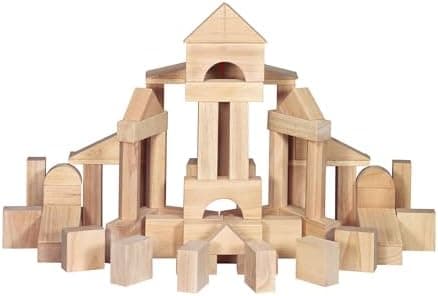
Melissa & Doug Standard Unit Solid-Wood Building Blocks with Wooden Storage Tray, 60-Piece Hardwood Sorting &…

★★★★★4.9(4,889)92Excellent

Across the reviewers we read, the Melissa & Doug Standard Unit set is treated as the reference-grade home block set. The 4.9-star Amazon average over nearly 5,000 reviews is unusually high for this category, and it's backed up by specialist communities: r/Montessori commenters describe daily tower-building, r/BuyItForLife threads single out wooden unit blocks (Melissa & Doug or similar) as "basically indestructible," and r/toddlers regulars repeatedly recommend this brand for blocks specifically.

The rest of the rankings

#2,5

Frequently asked

5 questions
What age are building blocks appropriate for?
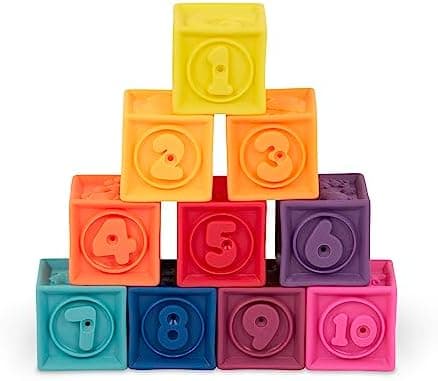
Soft fabric or foam blocks (like the B. toys One Two Squeeze set) are generally marketed for 6+ months because there's no choking or impact risk. Chunky plastic interlocking blocks like Mega Bloks First Builders start around 12 months. Classic wooden block sets are typically labeled 2+ or 3+ because of size and weight — reviewers on r/toddlers specifically warn that wooden blocks hurt when thrown.
Are wooden blocks really better than plastic?
Reviewers are split. Specialist parenting subreddits (r/Montessori, r/BuyItForLife) lean heavily toward wooden unit blocks for open-ended play and durability, while r/beyondthebump threads push back that cheap wooden sets splinter and that plastic blocks like Duplo/Mega Bloks last longer and don't hurt when stepped on. The honest answer is that hardwood blocks from established brands hold up well; budget wooden blocks are the ones with splinter complaints.
How many blocks do I actually need?
Across verified-purchase reviews, 60–100 pieces is the sweet spot for a single child. A 24-piece jumbo cardboard set works for building life-size structures but limits intricate play. A 150-piece Mega Bloks bag is enough for two kids to play together. Classroom and multi-child households frequently combine two sets.
Are the painted wooden blocks safe for teething toddlers?
Multiple listings (including Pidoko and Melissa & Doug) advertise non-toxic, water-based paint and rounded edges, and r/NewParents commenters report paint holding up to teething. That said, no block set is designed as a teether — for under-1 babies, soft fabric blocks are the safer category.
What's the difference between standard unit blocks and a 100-piece colorful set?
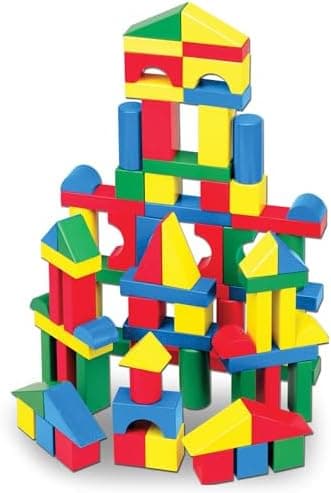
Standard unit blocks are unpainted hardwood in mathematically proportioned shapes (the half-unit, unit, double-unit system used in preschool classrooms). The colorful 100-piece sets are smaller, lighter, painted, and aimed at home play. Reviewers describe unit blocks as the more open-ended, longer-lasting option; the colorful sets as more visually engaging for younger toddlers.