
VerdictAI

Independent algorithmic synthesis · 2026

Best Kids Bike Helmets

Picking a kids' bike helmet is a balance of fit, certification, weight, and whether a child will actually keep it on. The synthesis below is built from specialist cycling-review sites, mainstream tech press, verified-purchase reviews at major retailers, and parent-heavy subreddits — weighted by how independent and methodical each source appears to be. We summarize the consensus across reviewers rather than testing helmets ourselves.

Sources behind this verdict

33reviewers read

Weighted by source trust

We don’t review products. We read what other reviewers wrote, score each source for trustworthiness, and synthesize the consensus.

How sources are scored →

Trust hierarchy

Trusted1
Verified0
Supporting12
Flagged0

Source mix

33signals
  • 1Press
  • 18Community
  • 14Video

Trusted · 1 source

Independent · documented methodology

At a glance

RankProductBest forBuyer ratingVerdict scorePriceBuyDetails

Highest-rated by the consensus

#1 of 5
Top pick · #1Giro Tremor MIPS Child Helmet
Best MIPS / rotational-impact

Giro Tremor MIPS Child Helmet

★★★★★5.0(3)89Great

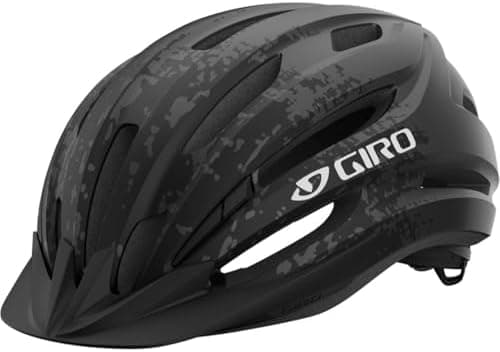
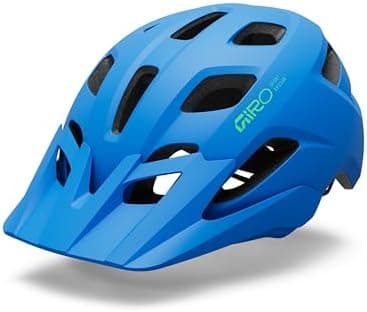
Across the reviewers we read, the Giro Tremor MIPS is the most consistently recommended kids' helmet in this pool. The high-trust specialist site twowheelingtots.com calls it "truly exceptional" for comfort, adjustment, and optional MIPS, and nytimes.com's kids-helmet roundup names the Giro Tremor Child as the best helmet for most kids after testing 13 models on children aged 2 to 7.

The rest of the rankings

#2,5

Frequently asked

5 questions
Does my child actually need a MIPS helmet?
MIPS (a low-friction liner designed to reduce rotational forces) is widely recommended by the specialist reviewers we read whenever budget allows, and parent threads on r/cycling and r/bicycling consistently steer toward MIPS-equipped picks for toddlers and school-age kids. Non-MIPS helmets that meet CPSC certification still provide baseline impact protection, but if you can stretch the budget, mainstream and high-trust kids-cycling reviewers generally favor MIPS.
What size helmet do I need for a toddler vs. a school-age child?
Helmets are sized by head circumference in centimeters, not by age. Measure around the widest part of the child's head, just above the eyebrows, and match to the manufacturer's range. Toddler-specific models typically start around 44–50 cm, while school-age helmets cluster around 52–58 cm. Reviewers repeatedly note that fit — snug, level, with the chin strap forming a 'V' under the ears — matters more than brand.
Are cheap Amazon kids' helmets safe?
Any helmet sold in the U.S. is legally required to meet CPSC 1203, and most budget models on Amazon do carry that certification. The trade-offs reviewers flag aren't usually about basic impact protection but about weight, ventilation, padding quality, buckle pinching, and longevity of the adjustment dial. A certified $25 helmet that fits well and gets worn is safer than a premium helmet that doesn't fit.
When should a kids' bike helmet be replaced?
The consensus across the cycling reviewers and parent communities we read is to replace any helmet after a meaningful impact, after roughly 3–5 years of UV and sweat exposure, or once the child has outgrown the dial's adjustment range. Cracked foam, frayed straps, or a loose dial are all replace-now signals.
Do full-face helmets make sense for young kids?
Specialist MTB subreddits suggest full-face helmets are worth considering for kids riding trails, pump tracks, or BMX, where face-plant risk is real. For sidewalk riding, scooters, and balance bikes, mainstream reviewers say a well-fitted half-shell is plenty. Parents on r/MTB note that lightweight convertible full-face options are easier to keep on small kids than heavy adult-style designs.