
VerdictAI

Independent algorithmic synthesis · 2026

Best Kids Scooters

Kids scooters span a wide range, from light-up three-wheelers for toddlers learning balance to big-wheel commuter-style decks for tweens. To rank this list we synthesized verified-purchase reviews from major retailers, dedicated scooter publications, and specialist subreddits like r/kickscooter and r/Scootering, weighting independent testing sources more heavily than retail listings or affiliate-driven YouTube clips.

Sources behind this verdict

47reviewers read

Weighted by source trust

We don’t review products. We read what other reviewers wrote, score each source for trustworthiness, and synthesize the consensus.

How sources are scored →

At a glance

RankProductBest forBuyer ratingVerdict scorePriceBuyDetails

Highest-rated by the consensus

#1 of 5
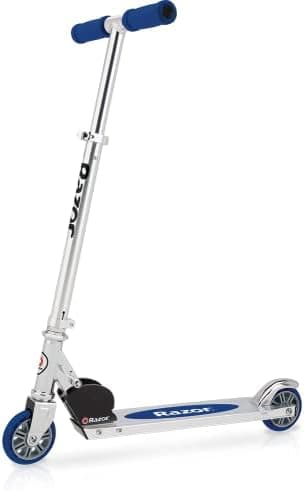
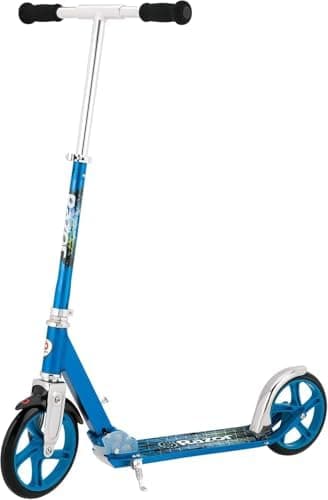
Top pick · #1Razor A5 Lux Kick Scooter for Kids Ages 8+ - 8" Urethane Wheels, Anodized Finish Featuring Bold Colors and…
Best overall

Razor A5 Lux Kick Scooter for Kids Ages 8+ - 8" Urethane Wheels, Anodized Finish Featuring Bold Colors and…

Razor

★★★★★4.8(11,799)88Great

Across the reviewers we read, the Razor A5 Lux is the most consistently recommended pick for school-age kids who have outgrown a three-wheeler. twowheelingtots.com, which we treat as a high-trust specialist source, calls out that the A5 Lux is "much better suited for riders 8+" than the smaller A2 and that its larger 8-inch urethane wheels produce a smoother, faster ride.

The rest of the rankings

#2,5

Frequently asked

5 questions
What age should a kid start on a 2-wheel scooter instead of a 3-wheel?
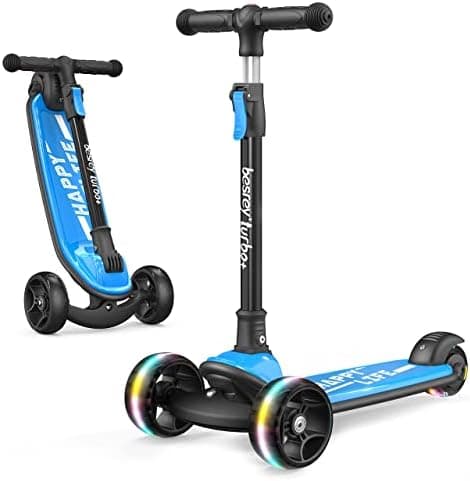
Across the reviewers we read, most kids transition to two wheels between ages 5 and 8, once they can balance a bike or pedal confidently. Three-wheel lean-to-steer designs are widely recommended for ages 2-5 because the wider base teaches steering before balance, while older kids quickly outgrow them in both stability and speed.
Are light-up wheels worth paying extra for?
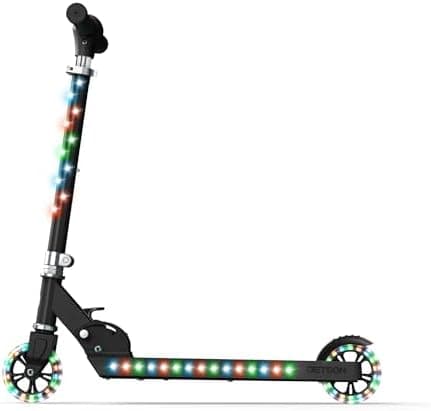
On most budget kids scooters, light-up PU wheels are motion-activated and require no batteries, so they add visibility and play value at little to no extra cost. Verified-purchase reviewers across retailer sites cite the lights as the single most-mentioned reason kids stay engaged with the scooter.
How much weight capacity should I look for?
For preschool-age scooters, 80-110 lb capacity is typical and plenty. If you want a scooter that grows with the child into the tween or teen years, look for at least 150 lb, with 200-220 lb capacity decks (often with larger 8-inch wheels) covering most adult riders as well.
Are cheap Amazon scooters safe?
Mainstream tech press and specialist communities consistently flag concerns with no-name folding mechanisms and clamp hardware on the cheapest scooters. Established brands with long retail histories tend to score better in third-party durability discussions, while flagged-source praise of obscure brands should be treated skeptically.
Lean-to-steer vs. handlebar-steer: which is better for learning?
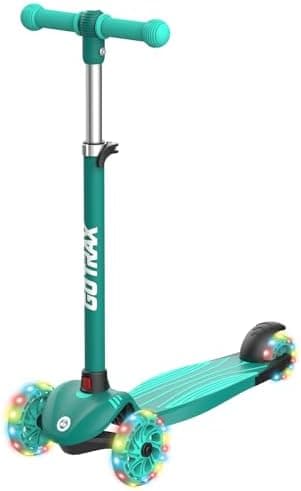
Lean-to-steer is the consensus pick for first-time riders aged 2-5 because it builds the same weight-shift instinct used on bikes and skateboards. Specialist subreddit threads note that some kids who learn on lean-to-steer initially find traditional handlebar steering harder, while others adapt instantly.