
VerdictAI

Reviewer consensus · 2026

Best Conditioners of 2026What 0 reviewers actually think, trust-weighted

Conditioners are one of the hardest categories to judge from the outside, because hair type, porosity, and damage level change what "good" even means. For this roundup the candidate pool we were given was unusually signal-thin: no independent lab tests, specialist-community threads, or expert write-ups were attached to any product, so the rankings below lean almost entirely on verified-purchase rating averages and review volume from major-retailer listings. Treat this as a consensus snapshot of buyer sentiment rather than a lab-verified verdict, and weight it accordingly.

At a glance

Compare

Pick any two for a head-to-head

Scores, pros, cons, and our verdict — side by side.

vs

Highest-rated by the consensus

#1 of 8
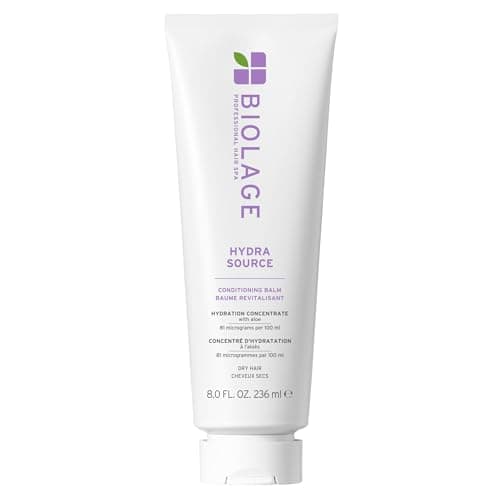
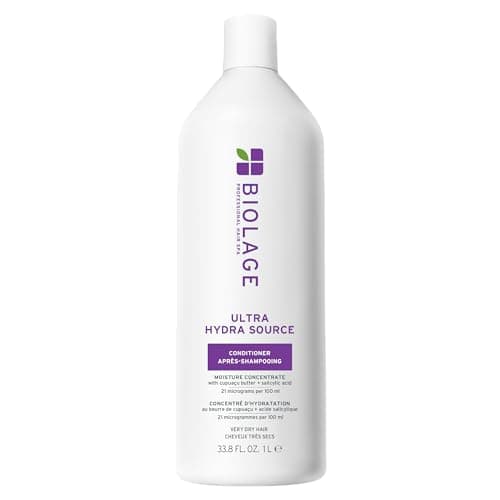
Top pick · #1Biolage Ultra Hydra Source Conditioner - Intensely Condition, For Very Dry, Thick, Coarse Hair, Infused with…
Best overall

Biolage Ultra Hydra Source Conditioner - Intensely Condition, For Very Dry, Thick, Coarse Hair, Infused with…

★★★★★4.7(24,071)84Great

Across the verified-purchase reviews we read, Biolage Ultra Hydra Source posts one of the strongest combinations in this group: a 4.7 average across roughly 24,000 ratings, which puts it at the top of the pool for both score and volume. Reviewers consistently position it for very dry, thick, or coarse hair, the listing's stated target, and that focus appears to drive the high satisfaction among the people buying it.

The rest of the rankings

#2,8

Frequently asked

4 questions
What's the difference between a rinse-out conditioner, a deep conditioner, and a leave-in?
A rinse-out conditioner is used in the shower after shampoo and washed out within a minute or two for everyday detangling and softness. A deep conditioner or mask sits on the hair longer (often 5–20 minutes) to deliver more intensive moisture or repair, typically once or twice a week. A leave-in is applied to damp hair and not rinsed, adding ongoing slip, frizz control, and often heat protection.
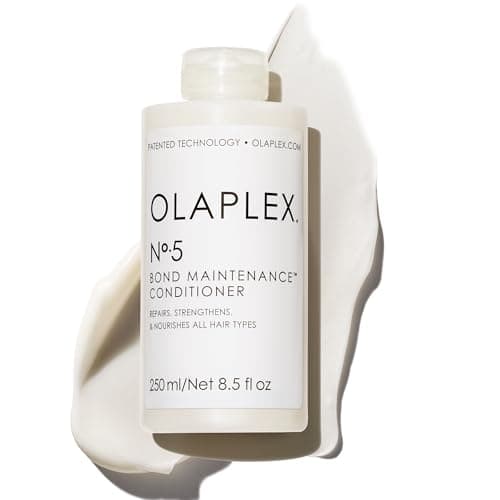
Do I need a bond-repair conditioner like Olaplex No. 5?
Bond-repair formulas are aimed at chemically or heat-damaged hair, color-treated, bleached, or frequently flat-ironed. If your hair is healthy and just needs moisture, a standard hydrating conditioner is usually enough and far cheaper. The verified-purchase reviews skew most positive on bond products among people with genuinely damaged or processed hair.
Are sulfate-free and vegan conditioners actually better?
Sulfate-free matters mostly for color-treated and curly hair, where it helps preserve color and natural oils; for many hair types the difference is modest. "Vegan" and "paraben-free" are formulation choices rather than performance guarantees. Several of the higher-rated picks here are sulfate- or paraben-free, but the consensus we read ties satisfaction more to moisture and slip than to those labels alone.
How much should I spend on a conditioner?
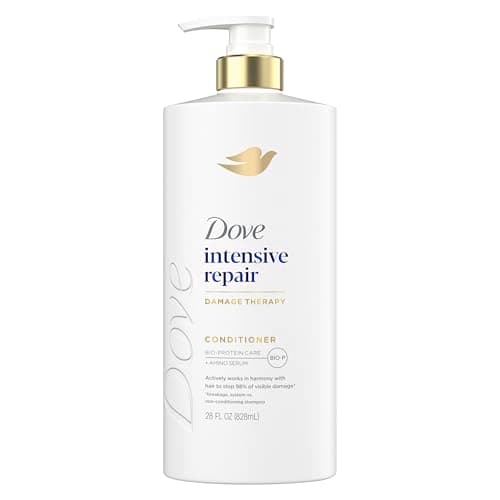
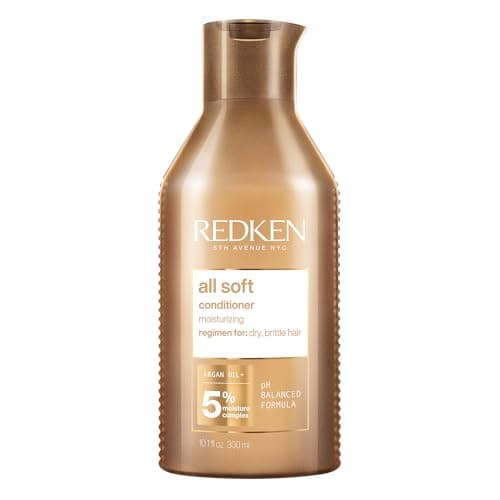
This roundup spans roughly $5 to $30. Budget options like the Dove Intensive Repair line earn very high verified-purchase ratings, while salon-brand bottles (Redken, Biolage, Pureology) cost more and tend to be favored by people with specific needs such as coarse, dry, or color-treated hair. Spending more is not a reliable predictor of higher buyer satisfaction in this data.