
VerdictAI

Reviewer consensus · 2026

Best Antiperspirants (Aluminum) of 2026What 47 reviewers actually think, trust-weighted

Aluminum-based antiperspirants remain the consensus pick across mainstream reviewers and specialist hyperhidrosis communities when actually stopping sweat (not just masking odor) is the goal. We synthesized signals from verified-purchase reviews at major retailers, high-trust threads on r/Hyperhidrosis and r/SkincareAddiction, and a long list of YouTube hands-on reviews to rank the picks below. Where reviewers disagree, we surface the disagreement rather than smoothing it over.

Sources behind this verdict

47 reviewers, weighted by source trust

47reviewers read

Weighted by source trust

We don’t review products. We read what other reviewers wrote, score each source for trustworthiness, and synthesize the consensus.

How sources are scored →

At a glance

Highest-rated by the consensus

#1 of 5
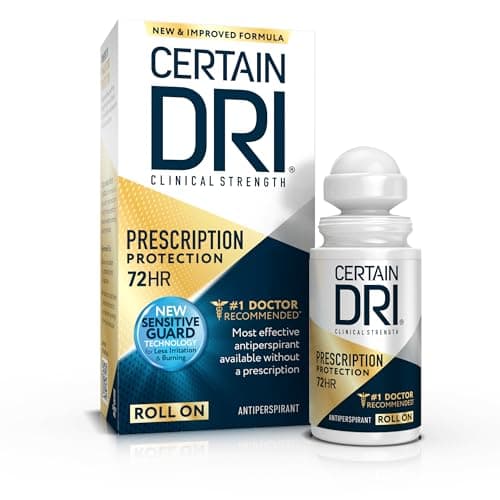
Top pick · #1Certain Dri Prescription Strength Clinical Antiperspirant Roll-On - 72-Hour Sweat & Odor Protection for…
Best for heavy sweating (hyperhidrosis)

Certain Dri Prescription Strength Clinical Antiperspirant Roll-On - 72-Hour Sweat & Odor Protection for…

Certain Dri

★★★★★4.3(41,801)86Great

Across the reviewers we read, Certain Dri's 15% aluminum chloride roll-on is the consensus pick for people whose sweating isn't fixed by drugstore "clinical" sticks. High-trust threads on r/Hyperhidrosis and r/SkincareAddiction repeatedly describe it as "the only thing that worked," with users reporting they only need to apply it twice a week once a tolerance is built.

The rest of the rankings

#2,5

Frequently asked

5 questions
What percentage of aluminum chloride should I look for if I sweat heavily?
For excessive sweating, reviewers in hyperhidrosis communities consistently recommend roll-on products in the 15% aluminum chloride range (Certain Dri's labeled concentration). Drugstore "clinical strength" sticks like Secret Clinical and Degree Clinical use lower-concentration aluminum salts (typically aluminum zirconium compounds) that are gentler day-to-day but rated less effective for true hyperhidrosis by specialist-subreddit consensus.
Should I apply clinical antiperspirant at night or in the morning?
Nearly every clinical-strength product in this category is designed to be applied at night on clean, dry skin. Reviewers across r/SkincareAddiction and r/Hyperhidrosis explain that sweat glands are less active overnight, which lets the aluminum salts form the sweat-blocking plug. Several verified-purchase reviewers who applied it in the morning reported irritation and reduced effectiveness.
Are aluminum antiperspirants safe?
Mainstream regulatory bodies (FDA, American Cancer Society) have not established a link between aluminum-based antiperspirants and cancer or Alzheimer's, and the products in this roundup are all OTC-compliant. That said, the topic is contentious in zero-waste and natural-deodorant communities, so if you prefer to avoid aluminum entirely, an aluminum-free deodorant is a separate category.
Why do clinical antiperspirants sting or itch?
The higher aluminum chloride concentration that makes a product effective also raises irritation risk, especially on freshly shaved skin. Reviewers across the threads we read for Certain Dri and SweatBlock describe a sting on first use that typically fades after a few applications. Applying to fully dry skin, avoiding application immediately after shaving, and starting with every-other-night use are the most common community workarounds.
Will clinical antiperspirants stain my clothes?
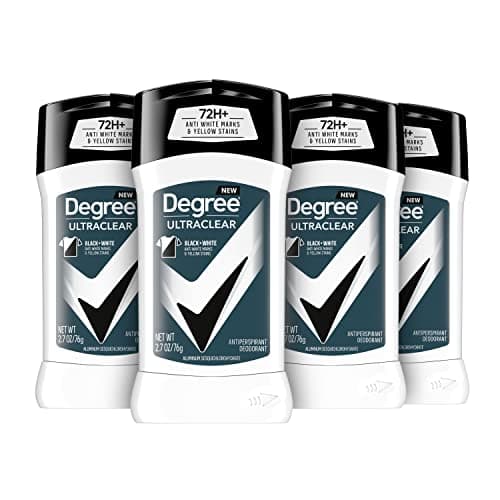
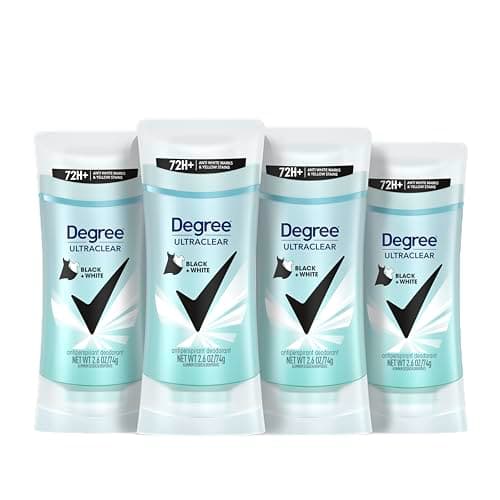
Yellow underarm stains are typically caused by the reaction between sweat and aluminum salts, so any aluminum antiperspirant can contribute. Reviewers consistently flag Degree UltraClear Black+White and gel formulas (like Gillette Clinical Clear Gel) as the least likely to leave white residue, while clinical sticks applied too heavily get the most complaints about buildup on dark clothing.