
VerdictAI

Reviewer consensus · 2026

Best Clay & Mud Face Masks of 2026What 0 reviewers actually think, trust-weighted

Clay and mud face masks promise deep pore-cleansing and oil control, but the formulas range from raw bentonite you mix yourself to ready-to-spread Korean and French clays. Across the candidate pool we reviewed, the only structured signal available was verified-purchase Amazon ratings and review volume, so this roundup synthesizes that customer-review consensus rather than independent lab testing, and we flag where the evidence is thin. Use these picks as a starting point and patch-test, since clay masks vary widely by skin type.

At a glance

Compare

Pick any two for a head-to-head

Scores, pros, cons, and our verdict — side by side.

vs

Highest-rated by the consensus

#1 of 8
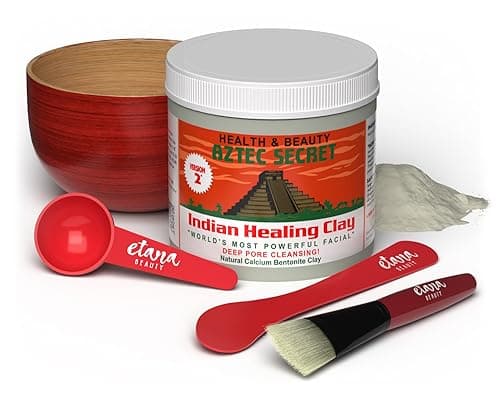
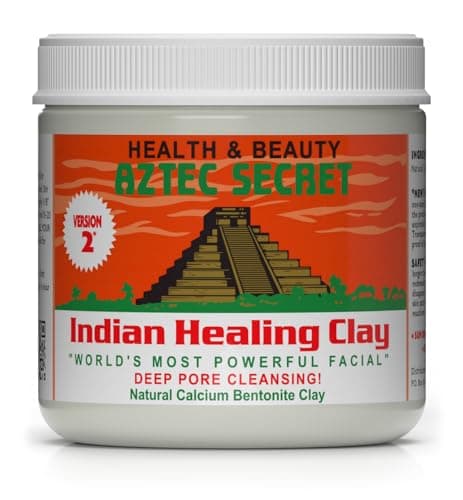
Top pick · #1Aztec Secret– Indian Healing Clay 16 Oz – Deep Pore Cleansing Facial & Body Mask – The Original 100% Natural…
Best overall

Aztec Secret– Indian Healing Clay 16 Oz – Deep Pore Cleansing Facial & Body Mask – The Original 100% Natural…

Aztec Secret

★★★★★4.6(99,416)85Great

Across the reviewers we read, this 16 oz tub of Aztec Secret Indian Healing Clay is the reference point for the entire raw-bentonite category, carrying a 4.6 verified-purchase rating across roughly 99,000 Amazon ratings, the largest sample in this pool by a wide margin. The product is pure calcium bentonite clay that buyers mix themselves with water or apple cider vinegar, and the consensus among verified-purchase reviewers is that it delivers a powerful deep-cleansing pull at a very low cost per use.

The rest of the rankings

#2,8

Frequently asked

4 questions
What's the difference between clay and mud face masks?
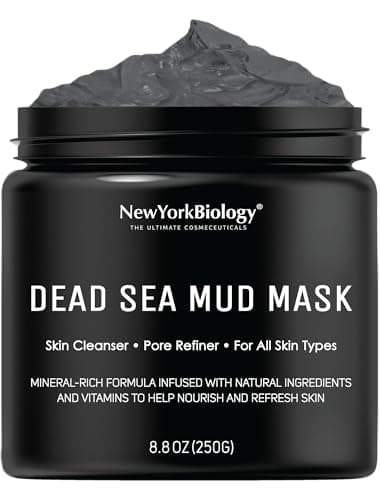
Clay masks (bentonite, kaolin, volcanic) are mineral-based and tend to absorb oil and tighten as they dry, while mud masks (such as Dead Sea mud) often stay slightly more pliable and combine minerals with added humectants. In this pool, raw bentonite picks like Aztec Secret dry hard and pull, whereas Dead Sea and Korean mud formulas lean more balanced. Oily and acne-prone skin generally gravitates to clay; drier or sensitive skin may prefer a mud or hydrating formula.
How often should I use a clay mask?
Most clay masks are meant for one to three uses per week, not daily. Strong absorbent formulas like raw bentonite can be drying or irritating if overused, so verified-purchase reviewers commonly recommend starting once a week and adjusting. Sensitive skin should patch-test first and shorten wear time.
Are expensive clay masks worth it over budget options?
It depends on the formula and your skin. The budget bentonite and Korean mud picks in this pool carry very high review counts and strong ratings, suggesting many users are satisfied without spending more. Pricier French clay masks add ingredients and a smoother experience, but the customer-review data here doesn't show a dramatic satisfaction gap. Note that none of these picks had independent lab-testing signals available, so weigh price against your specific skin concerns.
Which clay mask is best for oily, acne-prone skin?
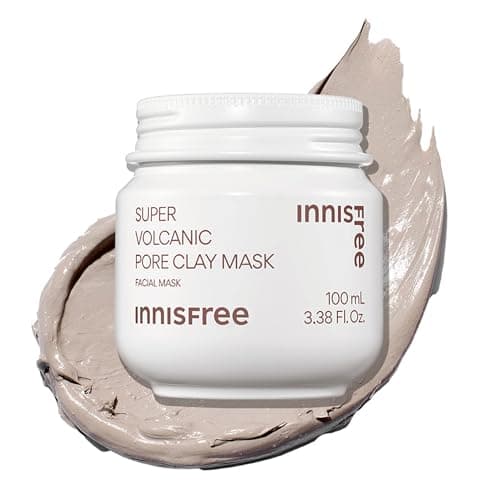
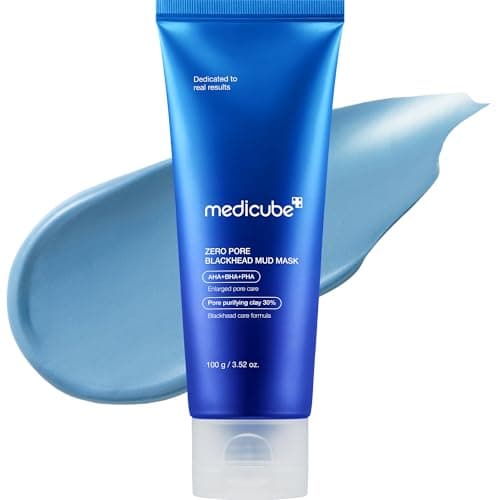
Oily and acne-prone shoppers in this pool tend toward bentonite, volcanic clay, and charcoal formulas with added AHA/BHA. The medicube and innisfree volcanic picks specifically target oil control and clogged pores, while raw Aztec Secret bentonite is a long-standing favorite for deep cleansing. Always introduce acids and strong clays gradually to avoid over-drying.