
VerdictAI

Reviewer consensus · 2026

Best Retinol Products of 2026What 50 reviewers actually think, trust-weighted

Retinol is the most-studied anti-aging ingredient in skincare, but the right product depends on whether you want a gentle starter, a high-strength formula, or the newer retinaldehyde alternative. We read across mainstream tech and beauty press, specialist skincare subreddits, and verified-purchase reviewers to synthesize where the consensus actually lands. Below are the picks where the trust-weighted signal is strongest, with honest notes on where reviewers disagree.

Sources behind this verdict

50 reviewers, weighted by source trust

50reviewers read

Weighted by source trust

We don’t review products. We read what other reviewers wrote, score each source for trustworthiness, and synthesize the consensus.

How sources are scored →

At a glance

Highest-rated by the consensus

#1 of 5
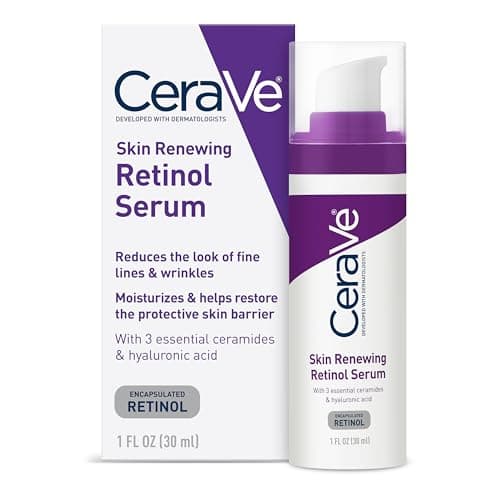
Top pick · #1CeraVe Anti Aging Retinol Serum For Face, Encapsulated Retinol With Hyaluronic Acid, Niacinamide & Ceramides…
Best overall

CeraVe Anti Aging Retinol Serum For Face, Encapsulated Retinol With Hyaluronic Acid, Niacinamide & Ceramides…

★★★★★4.6(27,823)88Great

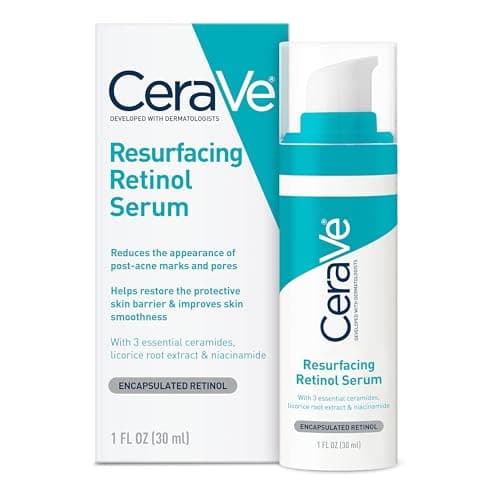
Across the reviewers we read, CeraVe's Skin Renewing Retinol Serum lands as the most well-rounded pick in the category. Multiple high-trust r/SkincareAddiction threads describe the encapsulated retinol — paired with niacinamide, hyaluronic acid, and ceramides — as effective on texture, pore appearance, and post-acne marks while staying gentler than unbuffered formulas.

The rest of the rankings

#2,5

Frequently asked

5 questions
What retinol percentage should a beginner start with?
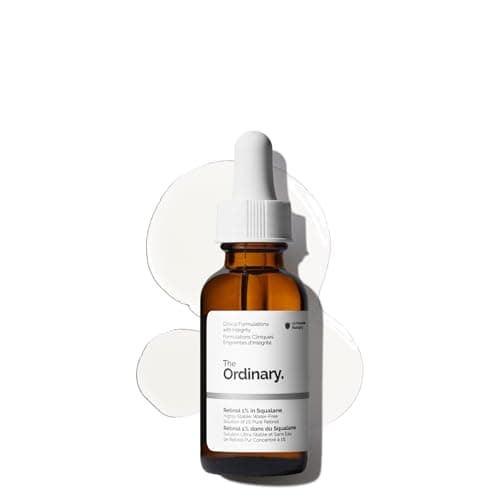
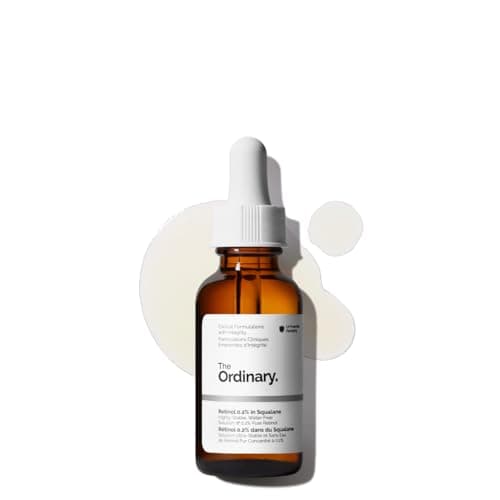
Across the skincare communities we read, the consensus is that first-time users should start at 0.1–0.25% retinol (or an encapsulated/buffered formula) two to three nights a week and ramp up slowly. Lower-strength serums like The Ordinary 0.2% in Squalane or encapsulated retinol products from CeraVe are the most commonly recommended entry points. Higher strengths (0.5–1%) are typically suggested only after several weeks of tolerance.
What is the difference between retinol and retinaldehyde?
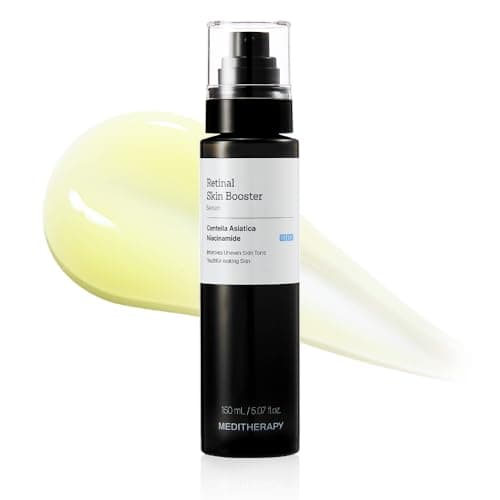
Retinaldehyde (retinal) is one step closer to active retinoic acid in the skin's conversion pathway than retinol, which reviewers and dermatologist-led YouTube channels describe as making it faster-acting at comparable concentrations while often being better tolerated. Retinol is more widely available and better studied in consumer formulas, while retinal products like the Meditherapy serum are a newer category.
Can I use retinol with niacinamide or peptides?
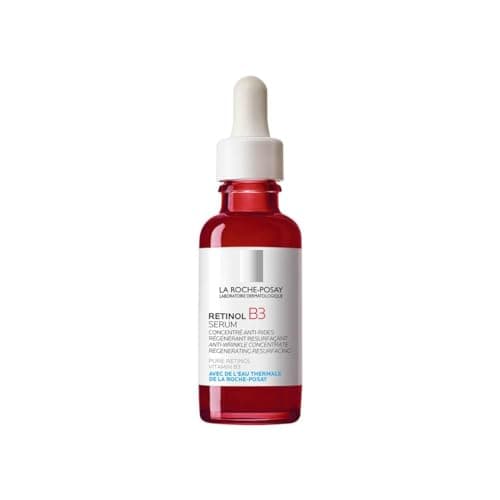
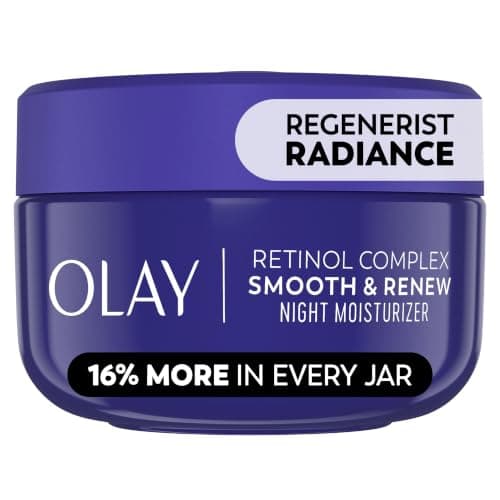
Yes — the consensus across reviewers and specialist subreddits is that niacinamide and peptides pair well with retinol and can help offset irritation and barrier disruption. Several of the most-recommended formulas (La Roche-Posay's B3 serum, the CeraVe retinol serums, Olay Regenerist) are specifically built around that combination.
How long does it take to see results from retinol?
Reviewers across mainstream beauty press and specialist communities generally report visible texture and tone improvements at 4–8 weeks, with fine line and wrinkle changes taking 12 weeks or longer. Consistency and sunscreen use are flagged as more important than concentration.
Is drugstore retinol as effective as prescription tretinoin?
No — dermatologist-led video reviews in the data consistently note that over-the-counter retinol is weaker than prescription tretinoin, but it is also less irritating and easier to tolerate long-term. For users who can't or don't want a prescription, well-formulated OTC retinols are widely described as a reasonable alternative with slower but real results.