
VerdictAI

Reviewer consensus · 2026

Best Vitamin C Serums of 2026What 50 reviewers actually think, trust-weighted

Vitamin C serums are one of the most-debated categories in skincare because formula chemistry (L-ascorbic acid vs. gentler derivatives, the role of vitamin E and ferulic acid, pH and packaging) matters as much as concentration. This roundup synthesizes what specialist skincare communities, mainstream beauty press, and verified-purchase reviewers have written across the most-discussed contenders, weighting long-running specialist subreddits and publishers with disclosed testing more heavily than anonymous retailer chatter. Where reviewers disagree, we surface the disagreement rather than smoothing it over.

Sources behind this verdict

50 reviewers, weighted by source trust

50reviewers read

Weighted by source trust

We don’t review products. We read what other reviewers wrote, score each source for trustworthiness, and synthesize the consensus.

How sources are scored →

At a glance

Highest-rated by the consensus

#1 of 5
Top pick · #1Timeless Skin Care Vitamin C Serum with Vitamin E & Ferulic Acid - Brightening Serum - for Oily & Dry Skin…
Best overall

Timeless Skin Care Vitamin C Serum with Vitamin E & Ferulic Acid - Brightening Serum - for Oily & Dry Skin…

Timeless Skin Care

★★★★★4.3(12,799)87Great

Across the reviewers we read, Timeless 20% Vitamin C + E + Ferulic Acid is the most consistently recommended affordable take on the canonical L-ascorbic acid + vitamin E + ferulic acid stack. A long-running r/SkincareAddiction comparison thread directly pitting Timeless against SkinCeuticals C E Ferulic concludes that Timeless is easy to apply, dries down cleanly, has a mild citrus scent, and held up against oxidation over a multi-month bottle, while costing a fraction of the prestige original.

The rest of the rankings

#2,5

Frequently asked

5 questions
Is L-ascorbic acid better than vitamin C derivatives like ascorbyl glucoside or THD ascorbate?
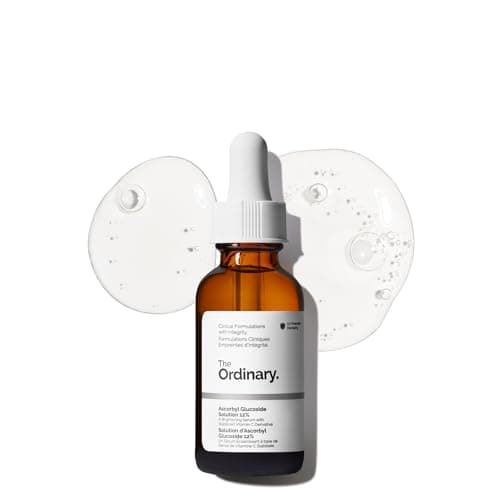
L-ascorbic acid (LAA) has the deepest research base for brightening and antioxidant defense, but it is unstable, can sting, and oxidizes quickly once opened. Derivatives like ascorbyl glucoside, sodium ascorbyl phosphate, and tetrahexyldecyl (THD) ascorbate are more stable and gentler, but typically work more slowly and produce subtler results. Sensitive-skin reviewers across specialist subreddits generally prefer derivatives; people chasing visible hyperpigmentation results tend to gravitate to 10–20% LAA formulas.
How do I know if my vitamin C serum has gone bad?
L-ascorbic acid formulas oxidize over time and turn from clear/pale yellow to dark orange or brown. Once that happens, the active is degraded and the serum can actually irritate or stain skin. Buy smaller bottles, store away from light and heat, and replace every 2–3 months after opening. Derivative-based serums are more stable and generally have longer usable shelf lives.
Can I use vitamin C with retinol or niacinamide?
Yes. The old internet rule that you can't combine vitamin C with niacinamide has been broadly debunked across mainstream tech and beauty press. Most reviewers recommend vitamin C in the morning (paired with sunscreen, where antioxidants offer the most benefit) and retinol at night to minimize irritation, though tolerant skin can layer them in the same routine.
Are the cheap dupes really as good as SkinCeuticals C E Ferulic?
For the specific combination of 15–20% L-ascorbic acid, 1% vitamin E, and 0.5% ferulic acid, several budget formulas hit the same ingredient deck on paper. Specialist-subreddit consensus is that the active chemistry is closely comparable; what you give up at lower price points is typically packaging quality, stabilization, and texture. Whether that's worth the savings depends on how quickly you go through a bottle.
Will a vitamin C serum fade dark spots on its own?
Across the reviewers we read, vitamin C is best understood as a brightening and antioxidant ingredient that evens overall tone and prevents new pigmentation, not a spot eraser. For stubborn hyperpigmentation, most reviewers pair it with sunscreen plus a dedicated treatment (azelaic acid, tranexamic acid, or a retinoid). Expect gradual improvement over 8–12 weeks, not overnight results.