
VerdictAI

Reviewer consensus · 2026

Best Base Layers of 2026What 45 reviewers actually think, trust-weighted

Base layers split sharply along two axes: fabric (merino wool vs. synthetic/fleece-lined) and weight (lightweight three-season vs. midweight winter). The picks below synthesize what specialist outdoor publications, verified-purchase reviewers, and long-running gear subreddits have said about each option, weighted by source trust rather than marketing copy. Expect honest disagreement, mainstream tech press and high-trust expert sources love merino's warmth-to-weight and odor resistance, while specialist communities consistently flag merino's durability problems.

Sources behind this verdict

45 reviewers, weighted by source trust

45reviewers read

Weighted by source trust

We don’t review products. We read what other reviewers wrote, score each source for trustworthiness, and synthesize the consensus.

How sources are scored →

At a glance

Highest-rated by the consensus

#1 of 5
Top pick · #1Smartwool Men's Classic All-Season Merino Base Layer Long Sleeve
Best overall

Smartwool Men's Classic All-Season Merino Base Layer Long Sleeve

★★★★★4.6(69)86Great

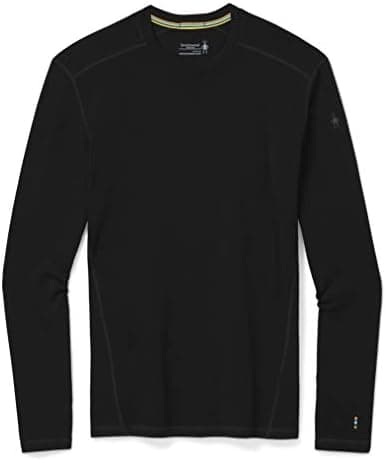
Across the reviewers we read, the Smartwool Classic All-Season is the most consistently praised men's merino top in this pool. cleverhiker.com (high trust) calls it 'a killer value' that 'can be worn year-round in all conditions, from trail running to a cozy sleep layer for camping,' and rei.com lists strong verified-purchaser sentiment around softness and warmth.

The rest of the rankings

#2,5

Frequently asked

5 questions
Is merino wool really worth the price over synthetic base layers?
For odor resistance, temperature regulation across a wide range, and next-to-skin comfort, the high-trust expert consensus across outdoorgearlab.com and cleverhiker.com is yes. The trade-off, repeatedly flagged in r/CampingGear and r/BuyItForLife threads, is durability: merino's fine fibers pill and develop holes faster than polyester. If you prioritize longevity over performance, a synthetic fleece-lined set will outlast merino at a fraction of the price.
What's the difference between 150, 175, and 250 weight merino?
The numbers refer to grams per square meter of fabric. According to r/Skigear discussion, 250-weight is roughly 1.5x thicker than 150-weight, with noticeably more warmth and wind resistance. 150-175 weight is generally recommended as a three-season or high-output layer, while 250 is winter-specific and can feel like overkill above freezing per outdoorgearlab.com testing notes.
Are cheap Amazon base layers like WEERTI and DEVOPS actually warm enough?
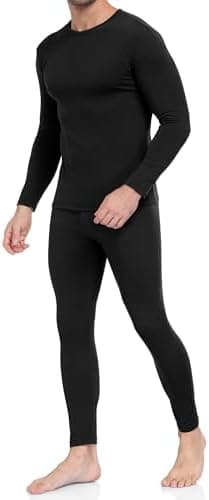
For moderate cold and low-output activity (commuting, casual outdoor wear, layering under ski pants), verified-purchase reviewers consistently say yes, and r/BuyItForLife threads note they perform surprisingly well for the price. For high-output activities like ski touring or backcountry hiking, the fleece-lined polyester traps moisture more than merino, which can leave you cold once you stop moving.
Does merino wool itch?
High-trust sources like cleverhiker.com note that even quality 150gsm merino can be 'mildly itchy' for sensitive wearers. Smartwool's Classic Thermal line is widely described as soft and non-itchy across base-mag.com and gearjunkie.com coverage, while r/onebag discussion confirms a meaningful minority of people simply find merino scratchy regardless of brand.
How durable are merino base layers in practice?
This is where high-trust community sources sharply diverge from glossy expert reviews. r/CampingGear and r/BuyItForLife threads repeatedly call merino 'far too delicate,' with users reporting holes within a season or two of regular use. The fix, recommended in r/alpinism, is to wear merino under a more durable midlayer rather than as a standalone shirt.