
VerdictAI

Reviewer consensus · 2026

Best Binoculars (Outdoor / Hiking) of 2026What 48 reviewers actually think, trust-weighted

Hiking binoculars span a huge range, from $20 pocket compacts that fit in a jacket sleeve to $250+ ED-glass pairs aimed at serious birders. The picks below synthesize what mainstream reviewers, specialist optics communities, and verified-purchase customers have written about each model, weighted toward independent testing outlets rather than retailer star ratings alone. Where high-trust reviewers disagree with the Amazon consensus, we surface the disagreement rather than smooth it over.

Sources behind this verdict

48 reviewers, weighted by source trust

48reviewers read

Weighted by source trust

We don’t review products. We read what other reviewers wrote, score each source for trustworthiness, and synthesize the consensus.

How sources are scored →

Trust hierarchy

Trusted1
Verified0
Supporting12
Flagged0

Source mix

48signals
  • 28Community
  • 20Video

Trusted · 1 source

Independent · documented methodology

At a glance

Highest-rated by the consensus

#1 of 5
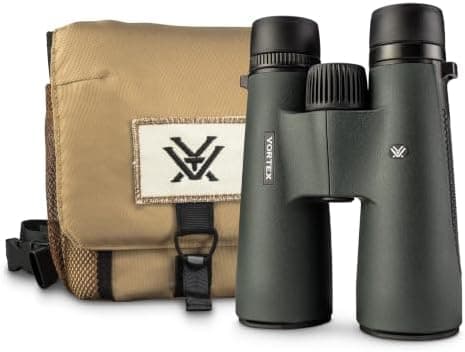
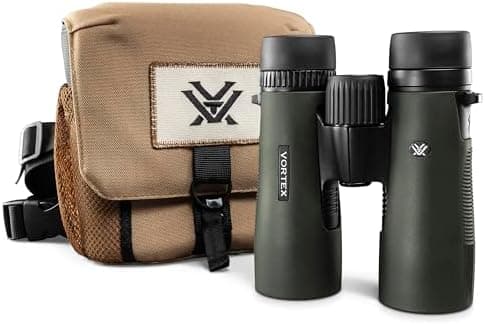
Top pick · #1Vortex Optics Crossfire HD 8x42 Binoculars - HD Optical System, Tripod Adaptable, Rubber Armor, Waterproof…
Best overall

Vortex Optics Crossfire HD 8x42 Binoculars - HD Optical System, Tripod Adaptable, Rubber Armor, Waterproof…

★★★★★4.8(9,947)86Great

Across the reviewers we read, the Vortex Crossfire HD 8x42 emerges as the most broadly endorsed all-around hiking binocular in this pool. allaboutbirds.org's review highlighted a compact light feel, a smooth focus wheel, and a comfortable neckstrap, while flagging a smaller field of view, loose-feeling eyecups, and mild edge distortion as honest tradeoffs.

The rest of the rankings

#2,5

Frequently asked

5 questions
Is 8x42 or 10x42 better for hiking?
8x42 is the more commonly recommended starting point across the reviewers we read: the wider field of view is easier to scan with, the exit pupil is brighter in low light, and handheld shake is less visible. 10x42 gives more reach for distant wildlife or ridgelines but is harder to hold steady and shows a narrower view. For mixed hiking/birding use, 8x42 is usually the safer pick.
Are cheap Amazon binoculars (under $50) good enough for hiking?
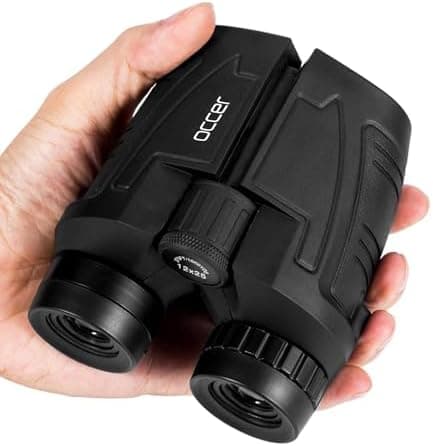
For casual day hikes and scenic overlooks, very budget compacts like the Occer 12x25 and Aurosports 10x25 are repeatedly described as acceptable starter optics. Specialist binocular subreddit threads consistently warn, however, that high magnification paired with a small objective (12x25) produces a tiny exit pupil, more eye fatigue, and shakier images. If you plan to actually identify birds or wildlife, reviewers steer buyers toward 8x42 models in the $90–$150 range instead.
Do I need waterproof and fogproof binoculars for hiking?
Yes, virtually every expert reviewer treats O-ring sealing and nitrogen purging as table-stakes for outdoor use. Without them, internal fogging during temperature changes is a common failure mode, and a single rain shower can permanently degrade non-sealed optics. All of our top picks here are rated waterproof and fogproof.
Is Vortex's lifetime warranty actually worth something?
Across multiple specialist-community threads, Vortex's VIP warranty comes up repeatedly as a real differentiator at the budget and mid-tier price points, with users reporting no-questions replacements even on user-damaged units. It is one of the most-cited reasons reviewers recommend the Crossfire HD and Triumph HD lines over cheaper unbranded Amazon optics, where warranty support is effectively nonexistent.
What magnification do I need for stargazing versus hiking?
These are essentially different tools. For hiking, 8x or 10x in a 32–42mm objective is the sweet spot for handheld use. For astronomy, reviewers and astronomy communities generally recommend 15x70 or 20x80 binoculars with a tripod, the larger objectives gather more light for deep-sky targets but are too heavy and shaky for handheld trail use.