
VerdictAI

Reviewer consensus · 2026

Best Compression Sacks of 2026What 49 reviewers actually think, trust-weighted

Compression sacks are a deceptively simple category where construction details, waterproofing, and pack-shape geometry separate the standouts from the also-rans. The synthesis below weighs independent testing outlets, specialist backpacking subreddits, and verified-purchase customer feedback to surface the picks reviewers most consistently endorse for sleeping bags, down jackets, and bulky soft goods. Where high-trust sources and budget-tier retail reviews disagree, we surface the conflict rather than smoothing it over.

Sources behind this verdict

49 reviewers, weighted by source trust

49reviewers read

Weighted by source trust

We don’t review products. We read what other reviewers wrote, score each source for trustworthiness, and synthesize the consensus.

How sources are scored →

At a glance

Highest-rated by the consensus

#1 of 5
Top pick · #1Sea to Summit eVac Compression Dry Bag, Waterproof Compression Sack
Best overall

Sea to Summit eVac Compression Dry Bag, Waterproof Compression Sack

★★★★★4.8(224)88Great

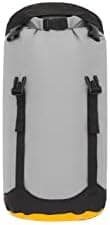
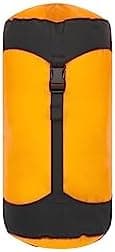
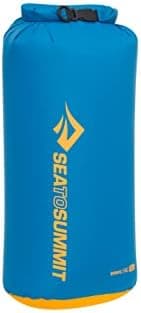
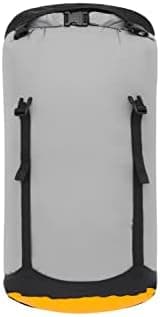
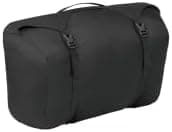
Across the reviewers we read, the Sea to Summit eVac Compression Dry Bag is the most consistently endorsed compression sack in this pool. outdoorgearlab.com calls out that it combines the major design features of a stuff sack with genuine waterproofing in a lightweight package, and specialist threads on r/Ultralight and r/CampingGear repeatedly point to the eVac line as the default recommendation for keeping a down quilt or sleeping bag dry without sacrificing pack space.

The rest of the rankings

#2,5

Frequently asked

5 questions
Do compression sacks damage down sleeping bags?
Specialist communities on r/Ultralight repeatedly flag that storing a down bag compressed for long periods can damage loft. The consensus is to compress only for transit and store the bag loose or in a large breathable storage sack at home.
Are waterproof compression dry bags worth the extra cost?
For wet-climate backpacking, kayaking, or bikepacking, the high-trust reviewer consensus is yes. Dry-bag compression sacks (typically with an eVent or similar air-permeable base) cost more and weigh more than basic silnylon compression sacks, but they prevent a soaked sleeping bag, which reviewers describe as a trip-ender.
What size compression sack do I need for a sleeping bag?
Reviewer feedback suggests 8–13L for most 3-season down bags and quilts, 15–20L for synthetic or winter-rated bags, and 30L+ for bulky cold-weather bags or as a clothing compressor. Many specialist users on r/Ultralight note that compressing to the smallest possible size can also stress fabric and stitching.
Are budget compression sacks like Frelaxy any good?
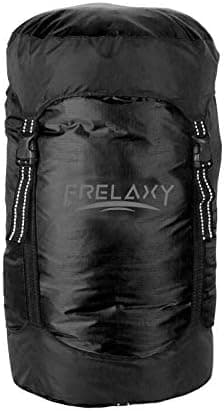
Mainstream tech press and Amazon volume both lean positive on Frelaxy, but high-trust community threads on r/Ultralight and r/AppalachianTrail flag stitching failures on the cheapest options after extended use. They're a reasonable entry-level pick; they're not a thru-hike-grade replacement for a dedicated brand sack.
Compression sack vs. pack liner — which should I use?
Specialist community discussion is split. Compression sacks excel at shrinking bulky items and segregating wet/dry gear; pack liners are lighter and protect everything at once. Many ultralight users we read combine a thin pack liner with one compression sack dedicated to the sleeping bag.