
VerdictAI

Reviewer consensus · 2026

Best Camping First-Aid Kits of 2026What 50 reviewers actually think, trust-weighted

Camping first-aid kits range from sub-five-ounce blister-and-bandage pouches to multi-pound trauma rigs, and the right pick depends almost entirely on group size, trip length, and whether you're more worried about hot spots or hemorrhage. The picks below synthesize what specialist hiking publications, mainstream tech and outdoor press, and verified-purchase reviewers from major retailers have written, weighted toward independent expert testing and specialist-community consensus. Where reviewers disagree, particularly between glowing Amazon ratings on big-piece-count kits and skeptical voices from medical-focused subreddits, we surface the split rather than smooth it over.

Sources behind this verdict

50 reviewers, weighted by source trust

50reviewers read

Weighted by source trust

We don’t review products. We read what other reviewers wrote, score each source for trustworthiness, and synthesize the consensus.

How sources are scored →

Trust hierarchy

Trusted5
Verified0
Supporting11
Flagged0

Source mix

50signals
  • 30Community
  • 20Video

Trusted · 5 sources

Independent · documented methodology

At a glance

Highest-rated by the consensus

#1 of 5
Top pick · #1Adventure Medical Kit Ultralight/Watertight Medical Kit .7 - Up to 3 People, Up to 3 Days - Includes…
Best overall

Adventure Medical Kit Ultralight/Watertight Medical Kit .7 - Up to 3 People, Up to 3 Days - Includes…

Adventure Medical Kits

★★★★★4.7(757)88Great

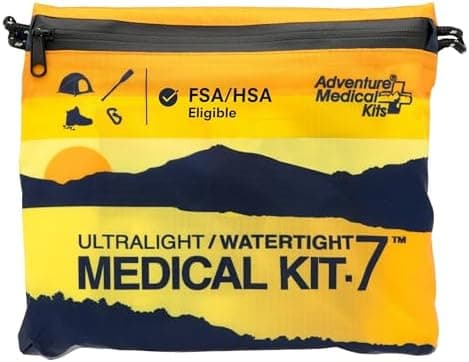
Across the reviewers we read, the Adventure Medical Kits Ultralight/Watertight .7 is the most consistently recommended camping first-aid kit in this pool. cleverhiker.com calls it small, lightweight, portable, and waterproof while noting it is well-stocked with bandages and moleskin.

The rest of the rankings

#2,5

Frequently asked

5 questions
What size first-aid kit do I need for camping?
Match the kit to people and days. Solo overnight or day hikes are well-served by sub-5-ounce kits in the .5 / Hiker class. Two-to-four-person weekend trips lean toward .7 or .9 / Backpacker-sized kits. Group trips of four or more people for a week or longer call for an Explorer- or Mountaineer-class kit, or a 300+ piece home/car kit kept at base camp.
Are pre-built first-aid kits actually worth it, or should I build my own?
Across specialist subreddits like r/Ultralight, the dominant view is that pre-built kits from established brands are a solid starting point that you then customize, swapping in leukotape for blisters, adding personal medications, and removing items you wouldn't actually use. Pure DIY kits can be lighter and cheaper per ounce, but pre-built kits win on organization, waterproof packaging, and the included quick-reference guide.
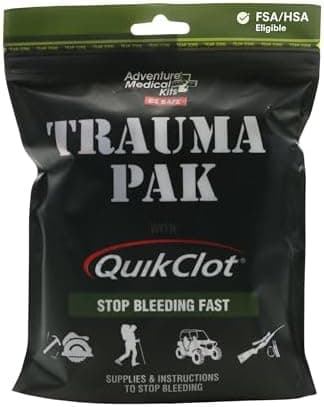
Do I need a trauma kit with QuikClot for camping?
For typical hiking and car camping, expert reviewers and community medics generally say a standard kit covering blisters, cuts, and minor sprains is enough. A dedicated trauma kit with hemostatic gauze and a tourniquet is more relevant for hunting, motorcycling, chainsaw work, or remote backcountry travel far from help. Several paramedic-voice threads also caution that hemostatic agents require training to use correctly.
Are the giant 300-500 piece Amazon first-aid kits any good?
They're impressive on paper and cheap per piece, but specialist communities like r/preppers repeatedly warn that piece counts are inflated with low-value items (lots of band-aids, alcohol wipes, cotton swabs) and that medical supplies from unbranded Amazon sellers can be inconsistent in quality. They're reasonable for car, RV, or home base-camp use; they're a poor choice for anything you have to carry on your back.
What's the difference between Adventure Medical Kits Ultralight/Watertight and Mountain Series lines?
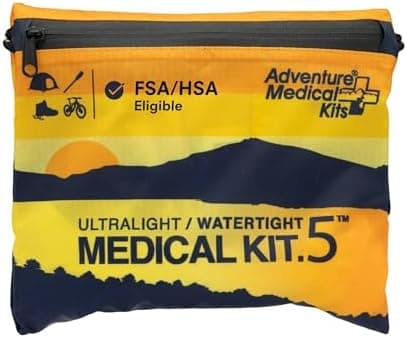
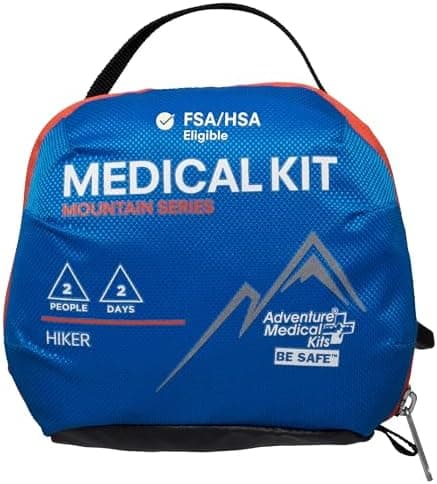
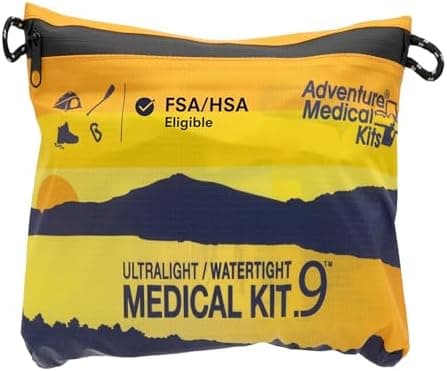
The Ultralight/Watertight series (.5, .7, .9) prioritizes low weight and a waterproof outer bag, and is the line most often cited by ultralight backpacking reviewers. The Mountain Series (Hiker, Backpacker, Explorer, Mountaineer) is heavier and bulkier but better organized into labeled compartments, includes a more comprehensive medication selection and a first-aid guide, and scales up to larger groups and longer trips.