
VerdictAI

Reviewer consensus · 2026

Best Hiking Water Bottles of 2026What 49 reviewers actually think, trust-weighted

Hiking water bottles split sharply into two camps: indestructible BPA-free plastics that thru-hikers and casual day-hikers have trusted for decades, and double-walled stainless steel that trades weight for hours of cold water on a hot trail. To assemble this ranking, we read across mainstream outdoor publications, specialist hiking communities on Reddit, and tens of thousands of verified-purchase reviews, then weighted the consensus by source trust rather than treating star ratings as a verdict.

Sources behind this verdict

49 reviewers, weighted by source trust

49reviewers read

Weighted by source trust

We don’t review products. We read what other reviewers wrote, score each source for trustworthiness, and synthesize the consensus.

How sources are scored →

At a glance

Highest-rated by the consensus

#1 of 5
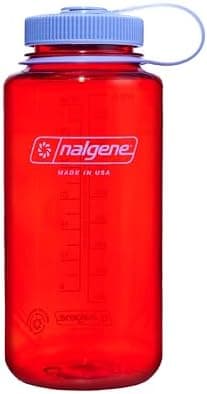
Top pick · #1Nalgene Wide Mouth Bottle, 32 oz, Cerulean
Best overall

Nalgene Wide Mouth Bottle, 32 oz, Cerulean

Nalgene

★★★★★4.8(29,894)92Excellent

Across the reviewers we read, the Nalgene 32 oz Wide Mouth is the default hiking bottle that other bottles are measured against. cleverhiker.com calls it "the most classic water bottle of all time" and praises the combination of sturdiness, low weight, and minimal price; outdoorgearlab.com echoes the verdict, noting its main weakness is simply that it isn't insulated.

The rest of the rankings

#2,5

Frequently asked

5 questions
Are Nalgene bottles still worth it for hiking?
Across the reviewers we read, yes. High-trust outdoor outlets like OutdoorGearLab and CleverHiker still call the Nalgene Wide Mouth a benchmark trail bottle for durability, price, and the ability to take boiling water for backcountry meals. The main caveats from specialist communities: it isn't insulated and the wide mouth can be sloppy to drink from while moving.
Should I get an insulated stainless bottle or a plastic Nalgene for hiking?
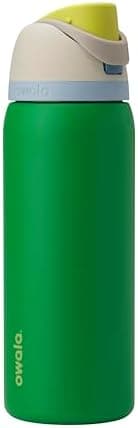
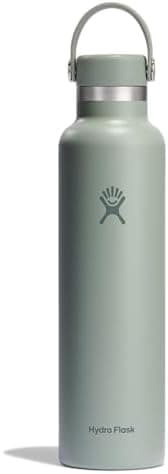
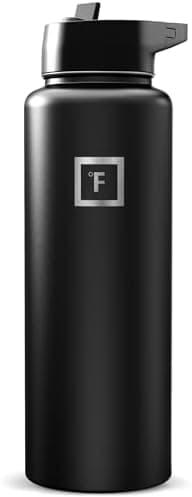
It's a weight-vs-temperature tradeoff. Insulated stainless (Hydro Flask, Iron Flask) keeps water cold for a full day of hiking but adds significant weight and cost. Plastic Nalgenes are far lighter, cheaper, and accept boiling water for purification or cooking, but offer zero thermal protection. Backpackers carrying a stove tend to favor plastic; day-hikers in hot weather tend to favor insulated.
What size water bottle is best for hiking?
32 oz (roughly 1L) is the consensus standard across the reviewers we read — it lines up with most water filter threads, fits side pockets on virtually every pack, and is the size most hydration math (1L per 2 hours of moderate hiking) is built around. 48 oz / half-gallon makes sense for desert or dry-camp use; smaller insulated 24 oz bottles are popular for short day hikes.
Are wide-mouth or narrow-mouth bottles better on trail?
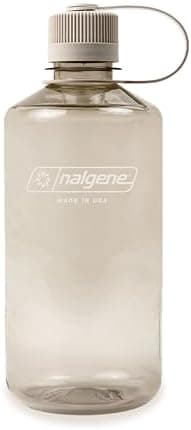
Wide-mouth bottles dominate expert recommendations because they accept ice cubes, scoop from streams, fit inline water filters, and are easier to clean. Narrow-mouth fans on hiking subreddits counter that they're far less sloppy to drink from while walking. Several mainstream picks (Iron Flask's narrow-mouth straw lid, Nalgene's narrow-mouth 32 oz) split the difference.
Do hiking water bottles need to be BPA-free?
Every serious option in this category is. Nalgene's Tritan and HDPE lineups, Hydro Flask, Owala, and Iron Flask all advertise BPA-free construction, and verified-purchase reviewers consistently flag taste-neutrality as a baseline expectation rather than a differentiator.