
VerdictAI

Reviewer consensus · 2026

Best Camera Tripods of 2026What 46 reviewers actually think, trust-weighted

Camera tripods span a wide range from pocketable phone stands to carbon-fiber travel rigs to heavy aluminum stands built for spotting scopes. Our ranking synthesizes what mainstream tech press, specialist photography communities, and verified-purchase reviewers have written about the current crop of popular options, weighted toward higher-trust sources. Where reviewers disagreed, especially around stability and long-term durability, we've surfaced the conflict rather than smoothing it over.

Sources behind this verdict

46 reviewers, weighted by source trust

46reviewers read

Weighted by source trust

We don’t review products. We read what other reviewers wrote, score each source for trustworthiness, and synthesize the consensus.

How sources are scored →

Trust hierarchy

Trusted2
Verified0
Supporting9
Flagged0

Source mix

46signals
  • 26Community
  • 20Video

Trusted · 2 sources

Independent · documented methodology

At a glance

Highest-rated by the consensus

#1 of 5
Top pick · #1Peak Design Travel Tripod, Aluminum, Compact Design, Quick Setup and Takedown, Pro-Level Stability, Ergonomic…
Best Peak Design Travel

Peak Design Travel Tripod, Aluminum, Compact Design, Quick Setup and Takedown, Pro-Level Stability, Ergonomic…

Peak Design

★★★★★4.5(1,021)86Great

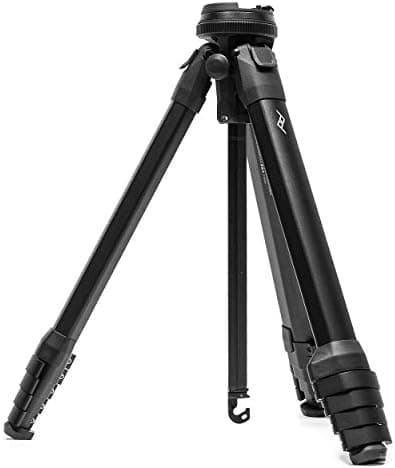
Across the reviewers we read, the Peak Design Travel Tripod (aluminum) draws a consistent verdict: an unusually clever, compact design with quick deployment, paired with a price that reviewers feel exceeds what the engineering objectively delivers. fstoppers.com highlights the speedy setup and storage quality, while photographylife.com pushes back hard on value, calling it 'way too expensive for what it is' and suggesting better alternatives exist.

The rest of the rankings

#2,5

Frequently asked

5 questions
Is a carbon fiber tripod worth the extra cost over aluminum?
Reviewers across photography communities agree carbon fiber's main wins are weight savings and slightly better vibration damping, both of which matter most for hikers and travel shooters. For studio or stationary use, aluminum performs comparably for a fraction of the price. The Peak Design Travel Tripod offers both versions, and community sentiment suggests the aluminum is the more rational buy unless every gram counts.
What load capacity do I need for a mirrorless or DSLR camera?
For most mirrorless and DSLR bodies with standard zoom lenses, a tripod rated for 8-10 lbs is sufficient. If you shoot with telephoto lenses, spotting scopes, or plan to use it for video pans, look for 17+ lbs capacity. Note that reviewers consistently flag that listed max loads are optimistic; real-world stable performance is usually well below the spec.
Are budget Amazon tripods like K&F Concept and VICTIV actually usable?
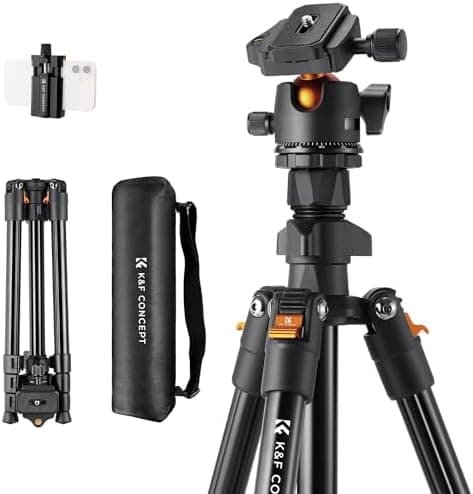
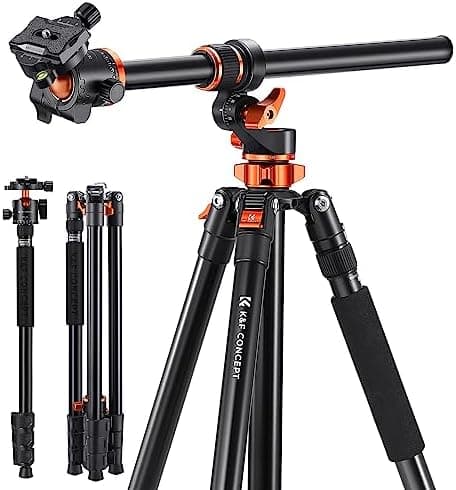
Specialist photography subreddits agree budget tripods from K&F Concept, VICTIV, and similar brands are perfectly serviceable within their limits, less rigid, less durable, and less smooth than $300+ options, but functional for casual and travel use. The consensus caveat is to avoid full extension in wind and not to mount your heaviest lens on them.
Do I need a separate fluid head for video?
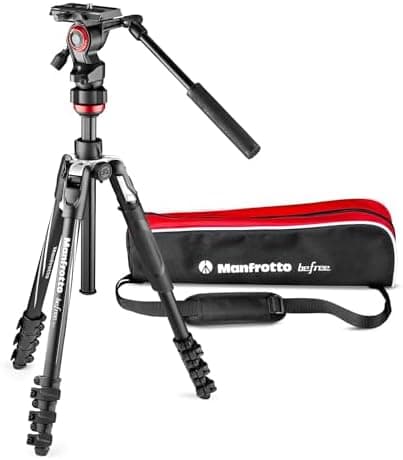
Yes, if smooth pans and tilts matter. Ball heads on most travel and budget tripods are designed for stills and produce jerky video motion, a complaint that appears repeatedly in videography community threads. A dedicated fluid head adds cost and weight but is essential for serious video work.
What's the best phone-only tripod for travel?
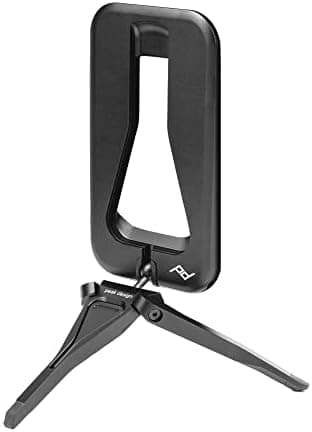
For phone-only users, a pocketable MagSafe-compatible tripod like the Peak Design Mobile Tripod gets strong marks from travel-gear publications for pairing portability with a usable footprint. Selfie-stick hybrids like ATUMTEK's are cheaper and more versatile but trade away rigidity, especially outdoors at full extension.