
VerdictAI

Reviewer consensus · 2026

Best DACs & Headphone Amps of 2026What 50 reviewers actually think, trust-weighted

DACs and headphone amps are a notoriously contentious category, where measurable performance, subjective "musicality," and pure placebo collide in equal measure. To cut through the noise, we synthesized verified-purchase reviews, specialist communities like r/headphones, measurement-focused forums, and mainstream audio press to find where the consensus actually lands. The picks below reflect trust-weighted agreement across reviewers, not our own listening, with disagreements surfaced rather than smoothed over.

Sources behind this verdict

50 reviewers, weighted by source trust

50reviewers read

Weighted by source trust

We don’t review products. We read what other reviewers wrote, score each source for trustworthiness, and synthesize the consensus.

How sources are scored →

Trust hierarchy

Trusted1
Verified0
Supporting14
Flagged0

Source mix

50signals
  • 30Community
  • 20Video

Trusted · 1 source

Independent · documented methodology

At a glance

Compare

Pick any two for a head-to-head

Scores, pros, cons, and our verdict — side by side.

vs

Highest-rated by the consensus

#1 of 5
Top pick · #1FiiO K7 Desktop DAC and Amplifier
Best overall

FiiO K7 Desktop DAC and Amplifier

FiiO

★★★★★4.4(762)89Great

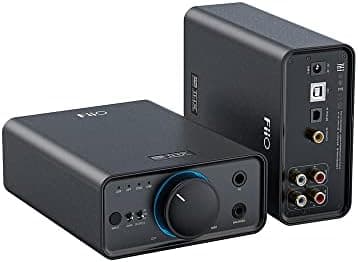
Across the reviewers we read, the FiiO K7 is the closest thing this category has to a consensus default. A high-trust r/headphones thread describes it as 'a well implemented combo DAC/amp with extremely low noise and distortion, pretty much TOTL-level and totally below the bounds of audibility,' and headfonia.com highlights its fully balanced architecture and added power over the older K5 Pro.

The rest of the rankings

#2,5

Frequently asked

5 questions
Do I really need a separate DAC and headphone amp?
Reviewers are split, and honestly so. Across specialist communities like r/headphones, several owners report that for efficient headphones a quality DAC/amp sounds 'exactly the same' as a decent onboard output, while others describe a clear lift in soundstage and detail. The practical consensus: a dedicated DAC/amp matters most if you own hard-to-drive, high-impedance, or planar headphones, or if your computer's onboard audio has audible noise. For sensitive IEMs, the benefit is often more about a clean noise floor and EQ flexibility than raw power.
What's the difference between a desktop and a portable DAC/amp?
Desktop units like the FiiO K7 and K11 plug into wall power and deliver far more output (often 1,400–2,400mW), driving demanding headphones with headroom, plus more inputs and balanced outputs. Portable dongles and Bluetooth units like the Qudelix-5K trade peak power for pocketability, battery operation, and wireless codecs. Reviewers note the Qudelix is plenty for IEMs and most headphones, but measurement-focused forums point out its USB DAC tops out at 24-bit/96kHz.
Are R2R DACs actually better than chip-based DACs?
This is the category's biggest flashpoint. Fans of the FiiO K13 R2R describe a warmer, more 'analog' and natural sound, while measurement-oriented reviewers argue R2R designs measure worse than cheap chip DACs and that the appeal is largely subjective. The fair takeaway from the reviewers we read: buy R2R for a particular tonal flavor you enjoy, not because it's technically superior.
What should I look for if I have hard-to-drive headphones?
Prioritize output power and a balanced output. Desktop units rated 1,400mW and up (FiiO K7, K11, K13 R2R) get repeated praise in r/headphones for driving planars like the HiFiMan Arya with ease. Balanced 4.4mm outputs typically deliver more voltage than single-ended 3.5mm, though several reviewers caution the audible benefit varies by headphone.
Is a $60 budget DAC/amp good enough, or should I spend more?
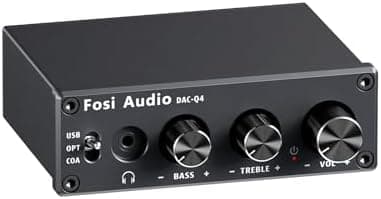
Budget options like the Fosi Audio Q4 earn high volume ratings and satisfy casual listeners, but mainstream audio press has flagged quality-control and consistency concerns on ultra-cheap units. If you want a unit reviewers consistently call 'TOTL-level' for noise and distortion without spending big, the consensus sweet spot sits in the roughly $140–$210 desktop tier (FiiO K11 and K7).