
VerdictAI

Reviewer consensus · 2026

Best USB Podcasting Microphones of 2026What 50 reviewers actually think, trust-weighted

USB podcasting microphones span a huge range — from $30 plug-and-play condensers to $300 hybrid USB/XLR dynamics with onboard DSP. This roundup synthesizes the consensus across mainstream tech press, specialist podcasting publications, verified-purchase reviewers, and specialist subreddits (r/podcasting, r/Shure, r/blueyeti, r/HyperX) to surface which picks actually hold up for spoken-word recording, where the disagreements live, and what trade-offs each pick forces.

Sources behind this verdict

50 reviewers, weighted by source trust

50reviewers read

Weighted by source trust

We don’t review products. We read what other reviewers wrote, score each source for trustworthiness, and synthesize the consensus.

How sources are scored →

At a glance

Highest-rated by the consensus

#1 of 5
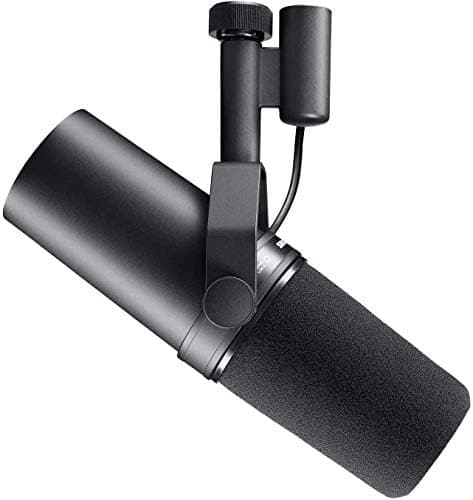
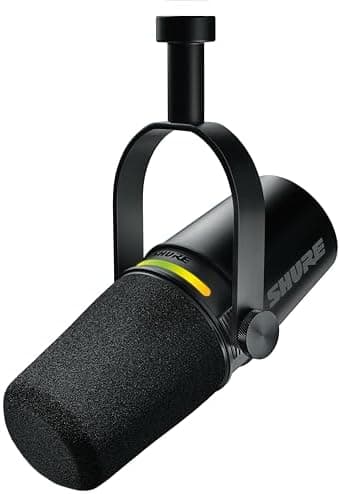
Top pick · #1Shure MV7+ Podcast Dynamic Microphone with Stand – OBS Certified, Enhanced Audio, LED Panel, USB-C & XLR…
Best overall

Shure MV7+ Podcast Dynamic Microphone with Stand – OBS Certified, Enhanced Audio, LED Panel, USB-C & XLR…

Shure

★★★★★4.8(479)89Great

Across the reviewers we read, the Shure MV7+ is the current default recommendation for serious podcasters who want one mic that can grow with them. Expert write-ups at podcastage.com and thepodcasthost.com both praise the XLR output's supportive low end and pleasing midrange, and call out the onboard DSP — Auto Level Mode, digital pop filter, voice isolation — as genuinely useful for solo creators who don't want to ride faders.

The rest of the rankings

#2,5

Frequently asked

5 questions
Do I need a USB or XLR microphone for podcasting?
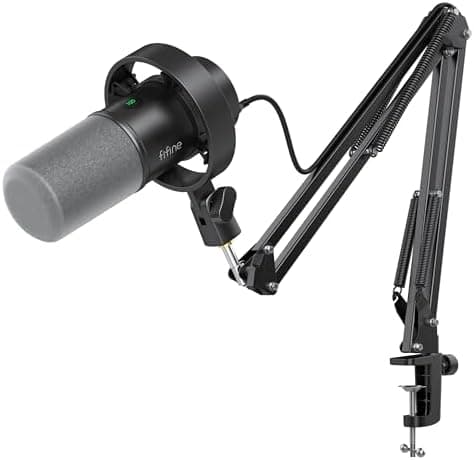
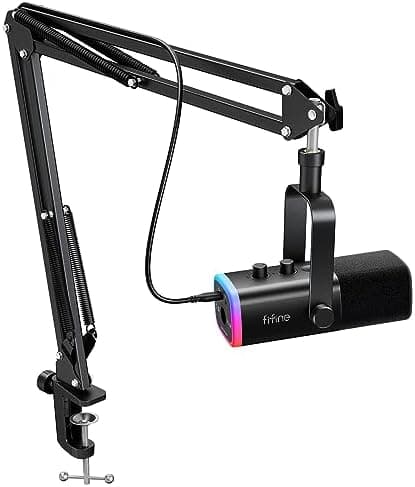
USB is simpler — it plugs straight into a computer with no audio interface. XLR offers higher upgrade ceiling and works with mixers, but adds cost. Hybrid USB/XLR mics like the Shure MV7+ and FIFINE AM8 let you start on USB and migrate to XLR later, which is why specialist communities frequently recommend them for new podcasters.
Is a dynamic or condenser mic better for podcasting?
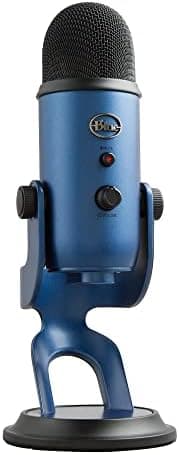
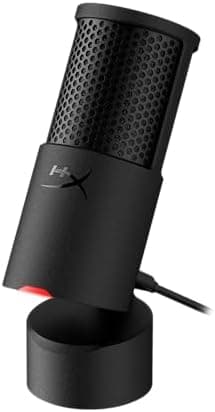
Across the reviewers we read, dynamic mics (Shure MV7+, FIFINE AM8) are strongly preferred for podcasting because they reject room noise and untreated-room reflections. Condenser mics like the Blue Yeti and HyperX QuadCast 2 S are more sensitive and capture more ambient noise — fine in a quiet, treated room, problematic in a typical home office.
Is the Shure SM7B worth it over a USB mic?
Specialist-subreddit consensus is that the SM7B sounds great but needs a clean preamp (often a Cloudlifter) and an XLR interface, pushing total cost well over $500. For pure USB convenience, the Shure MV7+ is repeatedly cited as the closest practical alternative, getting reviewers around 85% of the way for a fraction of the setup complexity.
Why do people say the Blue Yeti is bad for podcasting?
It's a side-address condenser with high sensitivity, which means it picks up keyboard clicks, room echo, fans, and HVAC easily. r/Twitch and r/streaming threads repeatedly warn that it's only a good choice if your room is quiet and treated. Plenty of verified-purchase reviewers still love it for desktop convenience and the 4-pattern flexibility.
What's a good budget USB podcasting mic under $60?
The FIFINE AM8 (USB/XLR dynamic) and FIFINE K669B (USB condenser) dominate the budget conversation. The AM8 is the more podcast-appropriate of the two because it's dynamic and rejects room noise; the K669B is cheaper but a condenser, so it benefits from a quiet space.