
VerdictAI

Reviewer consensus · 2026

Best PC Power Supplies (PSU) of 2026What 83 reviewers actually think, trust-weighted

PC power supplies rarely get tested first-hand by shoppers, so this roundup synthesizes what independent testing labs, mainstream tech press, and specialist build communities have already published about today's most-discussed ATX 3.1 units. We weight high-trust testing sources like hwbusters and verified-methodology measurements from Tom's Hardware more heavily than retailer star averages, and we surface disagreement where it exists rather than smoothing it over. Treat this as a trust-weighted consensus map, not a single verdict.

Sources behind this verdict

83 reviewers, weighted by source trust

83reviewers read

Weighted by source trust

We don’t review products. We read what other reviewers wrote, score each source for trustworthiness, and synthesize the consensus.

How sources are scored →

At a glance

Compare

Pick any two for a head-to-head

Scores, pros, cons, and our verdict — side by side.

vs

Highest-rated by the consensus

#1 of 8
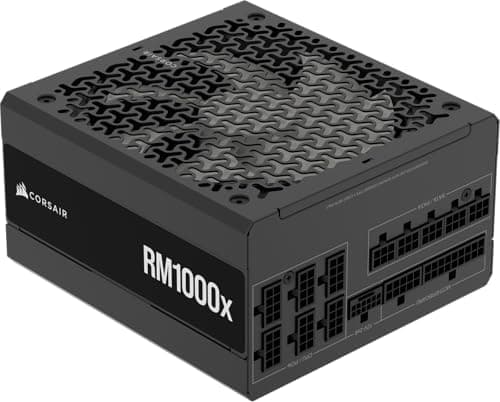
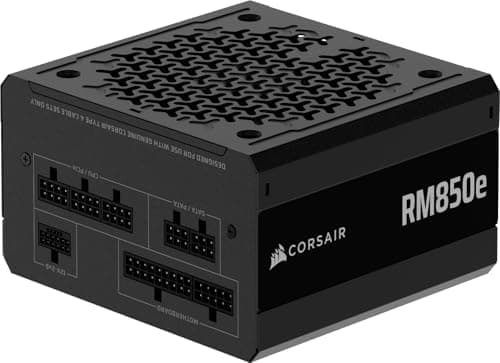
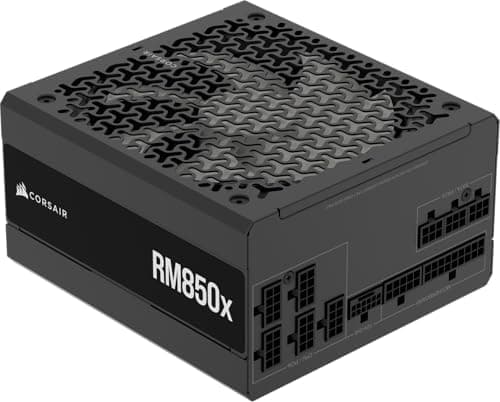
Top pick · #1CORSAIR RM850x ATX 3.1 PCIe 5.1 Ready Fully Modular 850W Power Supply – Low-Noise, Cybenetics Gold…
Best overall

CORSAIR RM850x ATX 3.1 PCIe 5.1 Ready Fully Modular 850W Power Supply – Low-Noise, Cybenetics Gold…

★★★★★4.8(5,718)90Excellent

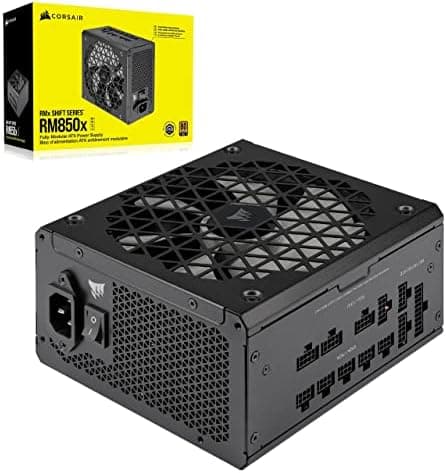
Across the reviewers we read, the Corsair RM850x in its ATX 3.1 / PCIe 5.1 form is the most consistently recommended all-rounder in this pool. hwbusters evaluated the RMx ATX v3.1 line and treats the 850W unit as a strong member of the range, while Tom's Hardware (verified methodology) praised the closely related RM850x Shift for excellent efficiency, low internal temperatures and quiet operation.

The rest of the rankings

#2,8

Frequently asked

4 questions
How many watts do I actually need for an RTX 4080 or 4090 build?
Across the reviewers and build communities we read, an 850W unit comfortably covers most RTX 4080-class single-GPU builds, while 1000W is the common recommendation for RTX 4090/5090 systems or heavy overclocking with headroom for transient spikes. ATX 3.1 / PCIe 5.1 units are designed to absorb power excursions well above their rating, which reduces the need to massively oversize.
Is ATX 3.1 and a native 12V-2x6 connector worth paying for?
Reviewers broadly agree that a native 12V-2x6 (12VHPWR successor) cable is preferable to an adapter for modern Nvidia GPUs because it reduces the failure points associated with melting connectors. If you own or plan to buy an RTX 40/50-series card, the consensus leans toward buying an ATX 3.1 unit with the native cable rather than relying on a bundled adapter.
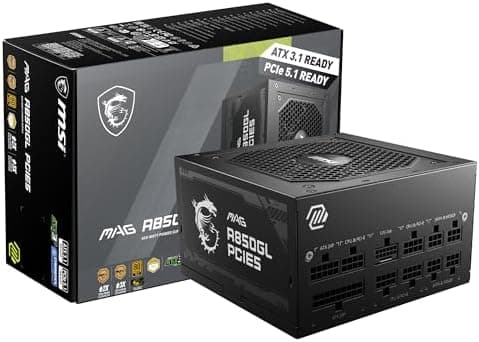
Are cheaper 850W units like the MSI MAG A850GL safe for a high-end GPU?
Mainstream reviewers and verified testing describe units like the MSI MAG A850GL as efficient and reliable for mainstream and mid-high builds, though specialist communities note they use more cost-cut internals than premium RMx-class units. For a very expensive flagship GPU, several high-trust community threads suggest stepping up to an A-tier unit for extra margin, but the budget picks are widely considered safe within their rating.
Does PSU efficiency rating (Gold vs Platinum vs Titanium) really matter?
Higher certifications mean slightly lower power draw and heat, but reviewers consistently note the real-world electricity savings are modest for most users. Build quality, voltage regulation, ripple suppression, and warranty matter more for reliability than the badge alone — and several Gold-rated units in this list were measured performing near Platinum levels.