
VerdictAI

Reviewer consensus · 2026

Best Surge Protectors of 2026What 87 reviewers actually think, trust-weighted

Surge protectors span a huge range, from whole-house panel devices wired in at the breaker box to inexpensive plug-in strips and outlet extenders. This roundup synthesizes what reviewers across mainstream tech press, major-retailer verified buyers, and specialist electrician communities have said, weighting independent and high-trust sources above gameable star averages. We summarize the consensus rather than testing units ourselves, and we flag where high-trust sources and popular ratings disagree.

Sources behind this verdict

87 reviewers, weighted by source trust

At a glance

Compare

Pick any two for a head-to-head

Scores, pros, cons, and our verdict — side by side.

vs

Highest-rated by the consensus

#1 of 8
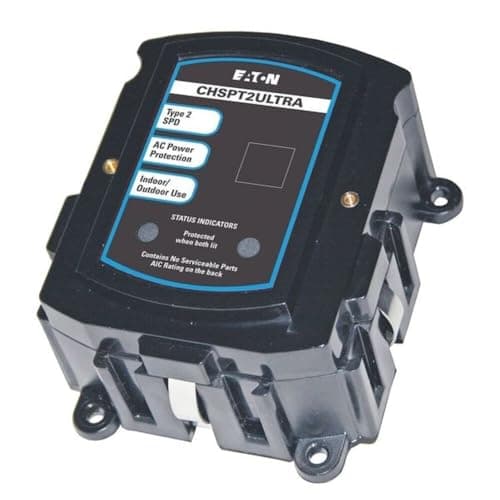
Top pick · #1Eaton Surge Protection Device, 1 Phase, 120/240V, 2 Poles, 2 Wires CHSPT2ULTRA - 1 Each
Best whole-house

Eaton Surge Protection Device, 1 Phase, 120/240V, 2 Poles, 2 Wires CHSPT2ULTRA - 1 Each

Eaton

★★★★★4.8(2,861)88Great

Across the reviewers we read, the Eaton CHSPT2ULTRA is the default whole-house recommendation. A garagejournal.com forum thread puts it 'at the top or very near it for bang/buck,' and r/electrical commenters note that on a spec-by-spec basis it 'wins every time' against cheaper panel devices like the BRNSURGE.

The rest of the rankings

#2,8

Frequently asked

5 questions
Do I need a whole-house surge protector or is a power strip enough?
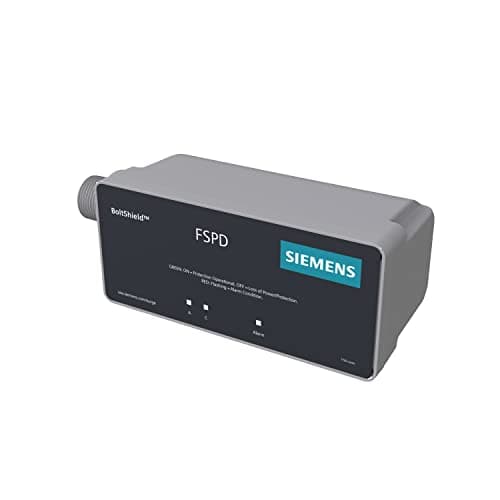
Across specialist electrician communities like r/AskElectricians and r/electrical, the consensus is that a panel-mounted (Type 2) whole-house device such as the Eaton CHSPT2ULTRA or Siemens Boltshield handles large transient surges at the service entrance, while plug-in strips add a secondary, point-of-use layer for sensitive electronics. Many electricians recommend both: a whole-house unit plus quality strips at your computer and home-theater gear.
What joule rating should I look for in a surge protector?
Community threads on r/LinusTechTips and r/pcmasterrace generally suggest higher joule ratings absorb more energy before the protective components wear out, with above-average strips landing in the 3,000–4,000+ joule range. Reviewers caution that joule rating is a measure of absorption capacity, not a guarantee, and that the connected-equipment warranty backing the rating matters too.
Are cheap Amazon surge protectors with thousands of 5-star reviews safe?
It's mixed. A 4.7–4.9 star average across tens of thousands of reviews is informative but, as r/electrical threads repeatedly note, build quality varies and some high-rated strips draw complaints about failing USB ports or thin internal parts. Reviewers strongly favor units with UL or ETL listing and discount star counts that aren't backed by independent testing.
Does a surge protector with USB-C charge laptops and phones well?
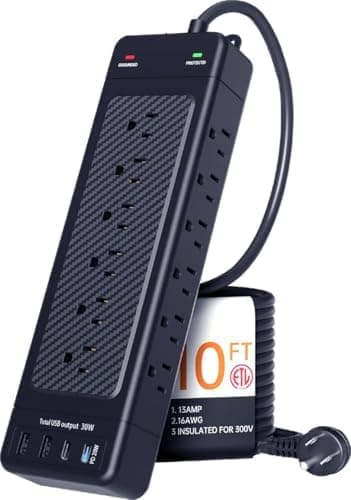
Verified-purchase reviewers and product listings indicate USB-C strips with 20W–35W Power Delivery can top up phones and small laptops, but specialist communities note these are charging conveniences, not high-wattage laptop chargers. Check the stated wattage per port before relying on one for a larger notebook.
How many devices can I safely plug into one surge protector?
Electrician communities warn against daisy-chaining strips and against exceeding the unit's wattage rating (commonly 1,250W–1,875W). Higher-outlet strips are fine for many low-draw electronics, but high-draw appliances like space heaters should go straight into a wall receptacle.