
VerdictAI

Buying guide · 2026

Best Wireless Microphones (Streaming/Podcast)

Wireless and hybrid microphones for streaming and podcasting now span everything from clip-on lavaliers to broadcast-grade dynamic mics with USB/XLR outputs. This roundup synthesizes consensus from across high-trust outlets like PCMag, SoundGuys, Podcastage, The Podcast Host and active specialist subreddits, weighted by source trust so verified-purchase and independent testing dominate over flagged or paid coverage.

Sources behind this synthesis

25 reviewers read. Weighted by trust.

We don’t review products. We read what other reviewers wrote, score each source for trustworthiness, and synthesize the consensus.

How sources are scored →

Trust mix

No flagged sources

Trusted0trustedMixed9mixed
Show all 13 other sources →
PCMagr/AudioProductionDealsYouTube · YouTubeYouTube · USB and XLR testsTechRadarr/videographyr/osmopocketr/djiYouTube · USB, Solocast, Blue Yeti)YouTube · Better Than the Quadcast 2?YouTube · HyperX Quadcast 2 S ReviewYouTube · Wireless, USB C, XLRYouTube · Is It Worth It?

By source type

Expert
2
Retailer
0
Community
7
Video
16

At a glance

Our top pick

#1 of 5
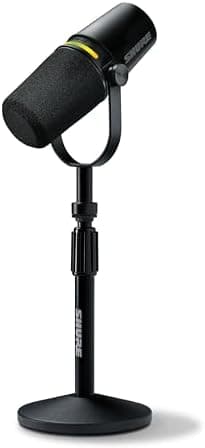
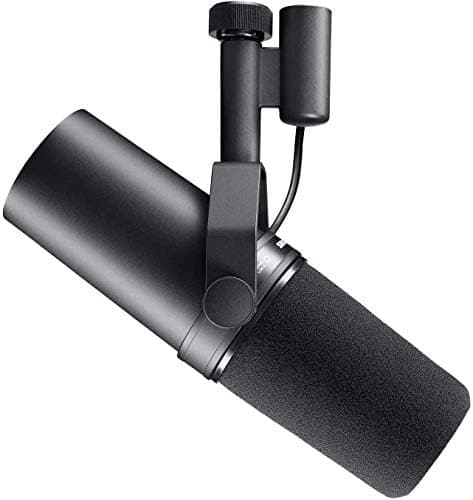
Top pick · #1Shure MV7+ Podcast Dynamic Microphone with Stand – OBS Certified, Enhanced Audio, LED Panel, USB-C & XLR…
Best overall

Shure MV7+ Podcast Dynamic Microphone with Stand – OBS Certified, Enhanced Audio, LED Panel, USB-C & XLR…

Shure

★★★★★4.8(471)88Great

Across the reviewers we read, the Shure MV7+ is the consensus pick when sound quality and long-term flexibility matter more than price. PCMag praised its 'quality construction, flexible XLR/USB-C outputs, and customizable LED sound meter,' calling out the built-in pop filter and automatic denoiser as meaningful upgrades over the original MV7.

The rest of the rankings

#2–5

Frequently asked

5 questions
Do I need a wireless mic for podcasting, or is USB fine?
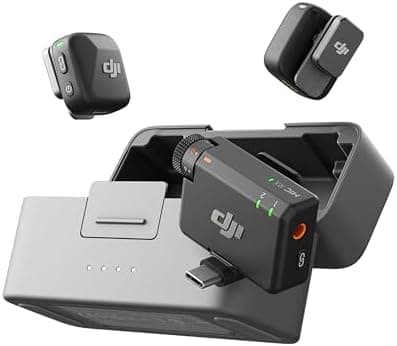
Reviewers across Podcastage and The Podcast Host agree that for stationary single-host podcasts, a USB/XLR dynamic like the Shure MV7+ or a USB condenser like the HyperX QuadCast 2 delivers better sound than wireless lavaliers. Wireless systems like the DJI Mic Mini are the consensus pick when you're recording video, moving around, or capturing multiple speakers in the field.
Is the DJI Mic Mini good enough for serious content creation?
Yes, according to Digital Camera World, ProVideo Coalition and r/dji threads. Reviewers describe the audio as 'strikingly good' for the size and price, with 48-hour battery life and noise cancellation that holds up in real environments. Audiophile-leaning videographers on r/videography still prefer the step-up DJI Mic 2 or Rode Wireless GO for paid client work.
USB or XLR for streaming?
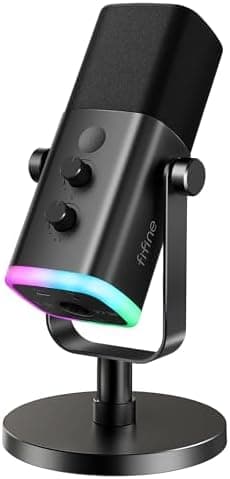
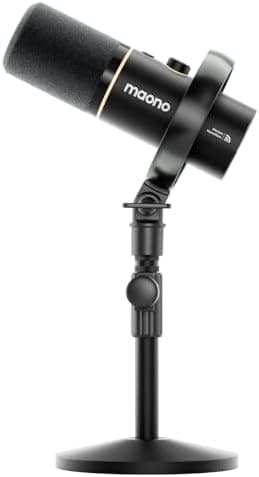
Across PCMag, Podcastage and r/podcasting, the consensus is that USB is plug-and-play and sufficient for solo streamers, while XLR (with an interface) gives you cleaner gain staging and room to upgrade. Hybrid mics like the Shure MV7+, Maono PD200W and Fifine K688 let you start on USB and migrate to XLR later.
Why do some reviewers say the Blue Yeti is overrated?
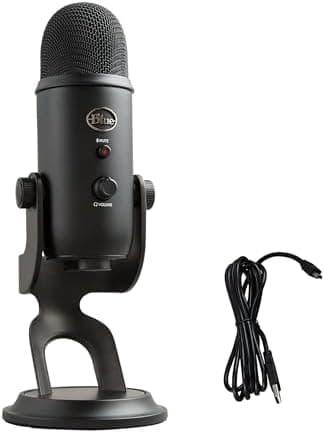
r/streaming and several Podcastage videos note the Yeti is a side-address condenser that picks up significant room noise and keyboard sound, making it a poor fit for untreated rooms. Dynamic mics like the Shure MV7+ or Fifine K688 are the recurring recommendation when background noise is an issue.
What's the cheapest wireless mic that doesn't sound cheap?
SoundGuys gave the Maono PD200W a positive budget-wireless review, and multiple YouTube testers were 'pleasantly surprised' by the audio quality given the sub-$100 price. For lavalier use specifically, the DJI Mic Mini at around $79 is the most widely praised entry point across high- and medium-trust sources.