
VerdictAI

Reviewer consensus · 2026

Best Back Stretchers of 2026What 81 reviewers actually think, trust-weighted

Back stretchers span a wide range of designs, from simple adjustable arch boards and wheel-style rollers to full inversion tables and motorized stretch machines, and the consensus across the reviewers we read is that results are highly individual. Verified-purchase reviewers and specialist communities like r/backpain repeatedly describe meaningful but often temporary relief, while higher-trust testing of related decompression tools urges realistic expectations. This roundup synthesizes that mixed picture, weighting independent testing and specialist-community sentiment above retailer marketing and discounting gameable signals.

Sources behind this verdict

81 reviewers, weighted by source trust

At a glance

Compare

Pick any two for a head-to-head

Scores, pros, cons, and our verdict — side by side.

vs

Highest-rated by the consensus

#1 of 8
Top pick · #1MINOLL Back Stretcher for Lower Back Pain Relief, Multiple Level Adjustable Arch Lumbar Back Cracker Board…
Best overall

MINOLL Back Stretcher for Lower Back Pain Relief, Multiple Level Adjustable Arch Lumbar Back Cracker Board…

MINOLL

★★★★★4.2(4,672)81Great

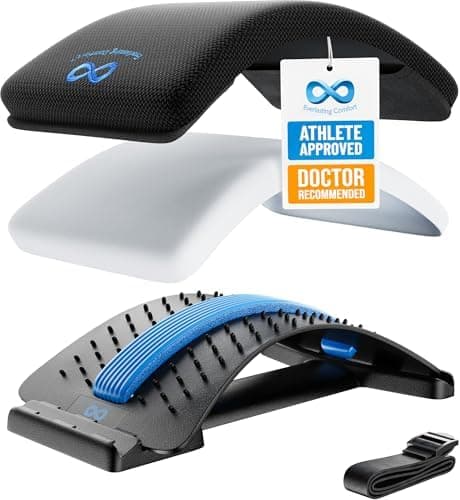
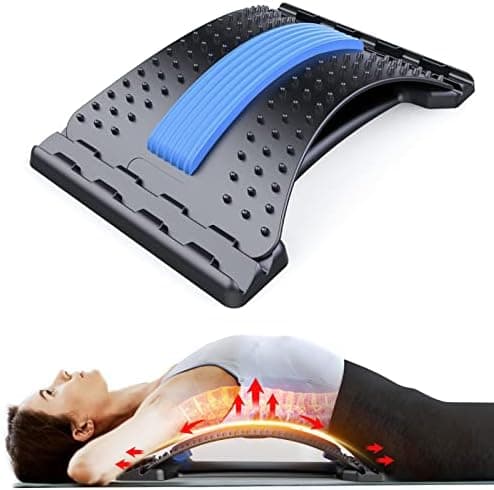
Across the reviewers we read, this MINOLL adjustable arch board is the prototypical back stretcher: a lightweight plastic deck with multi-level height settings that passively extends the lumbar spine. Verified-purchase reviewers on Amazon and Walmart.ca describe it as easy to use at home, in a chair, or on the floor, and the large 4,672-rating base at 4.2 stars points to broad satisfaction at a low price.

The rest of the rankings

#2,8

Frequently asked

5 questions
Do back stretchers actually work for back pain?
Across the reviewers and communities we read, the honest consensus is that back stretchers often provide real but temporary relief. Many r/backpain and r/scoliosis posters describe loosening and short-term comfort, while others say the effect fades and a few note arch-style boards can aggravate an already tight lower back. They are best viewed as one tool alongside exercise and professional guidance, not a cure.
Which type of back stretcher is best for me?
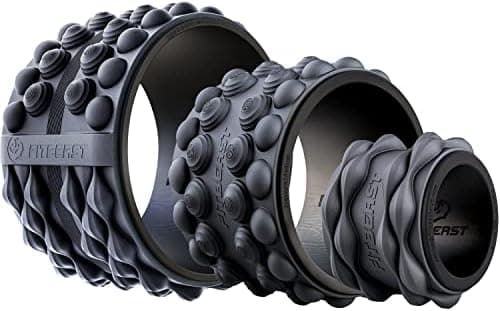
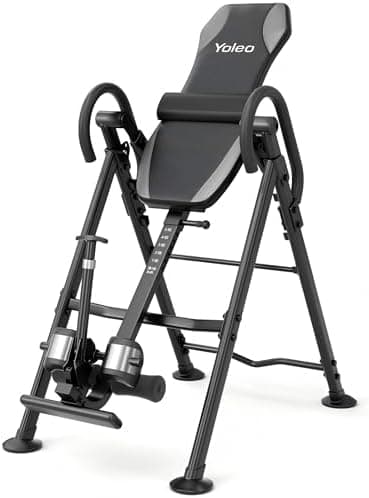
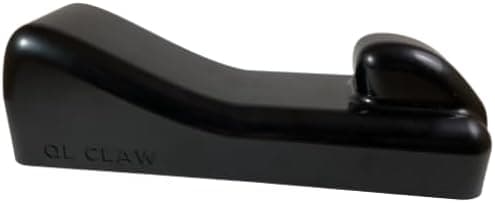
It depends on your goal. Reviewers point to adjustable arch boards (like MINOLL) for affordable passive lumbar extension, wheel/roller designs (FitBeast, Chirp) for targeting the muscles alongside the spine, and inversion or traction tables (YOLEO, Sunny) for hanging-style decompression. Targeted trigger-point tools like the QL Claw are favored in sciatica and hip communities for deep muscle release.
Are arch-style back stretchers safe for everyone?
Not necessarily. Specialist threads we read caution that arching the back rather than rounding it can worsen pain for people with certain tight-low-back conditions, and one physical-therapy poster reported a decompression device aggravating lumbar pain. Most reviewers recommend starting on the lowest setting and stopping if pain increases; anyone with a herniated disc or serious condition should check with a clinician first.
Are inversion tables better than simple back stretcher boards?
Reviewer sentiment is genuinely split. Some r/backpain and r/weightlifting users say inversion tables noticeably take weight off the discs and improve alignment, while others call them a marketing gimmick that did nothing for them. Inversion tables cost far more and take up space, so cheaper arch boards are often the recommended starting point before investing in a table.
How long should you use a back stretcher each day?
Across product demos and verified-purchase reviews, the common pattern is short sessions of roughly 5 to 10 minutes, once or twice a day, beginning at the lowest intensity. Reviewers consistently warn against overdoing it and note that correct positioning matters more than duration for getting relief rather than added strain.