
VerdictAI

Reviewer consensus · 2026

Best Blood Pressure Monitors of 2026What 58 reviewers actually think, trust-weighted

Home blood pressure monitors are a category where accuracy and cuff fit matter far more than features, and the consensus across mainstream tech press, specialist health publishers, and hypertension-focused communities converges on a relatively small set of clinically validated picks. Below we synthesize what reviewers across the internet have written, weighting independent testing labs and consumer-advocacy publishers most heavily and discounting the noisier retailer-review signal. Where high-trust sources disagree with enthusiastic Amazon ratings, we surface the disagreement rather than smoothing it over.

Sources behind this verdict

58 reviewers, weighted by source trust

58reviewers read

Weighted by source trust

We don’t review products. We read what other reviewers wrote, score each source for trustworthiness, and synthesize the consensus.

How sources are scored →

At a glance

Highest-rated by the consensus

#1 of 5

The rest of the rankings

#2,5

Frequently asked

5 questions
Are upper-arm or wrist blood pressure monitors more accurate?
Across the reviewers we read, upper-arm cuffs are the consensus choice for home use. Wrist monitors are more portable but more sensitive to positioning errors, and specialist hypertension communities consistently recommend an upper-arm device that has been clinically validated.
Does Omron's higher-end Platinum model actually justify the price over the Bronze?
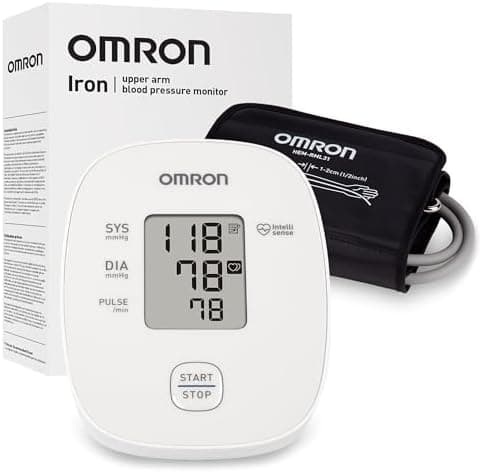
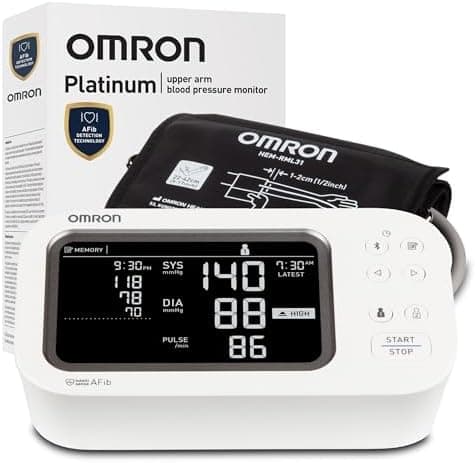
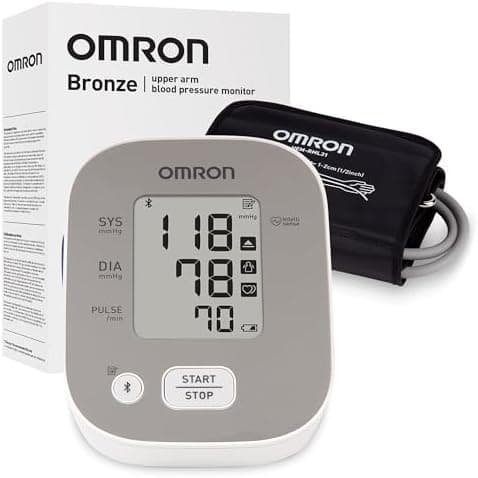
The high-trust expert coverage suggests yes if you need AFib screening, multi-user memory, and app sync. If you only need consistent at-home readings for one person, the cheaper Omron Bronze posts similar accuracy signals across reviewers and saves roughly $50.
What cuff size do I need?
Most standard cuffs cover roughly 9–17 inches of upper-arm circumference. Reviewers and hypertension subreddits repeatedly stress that an undersized cuff is the single biggest cause of inflated home readings, so anyone above ~16 inches should buy a model with a wide-range or XL cuff option.
Are app-connected monitors worth it?
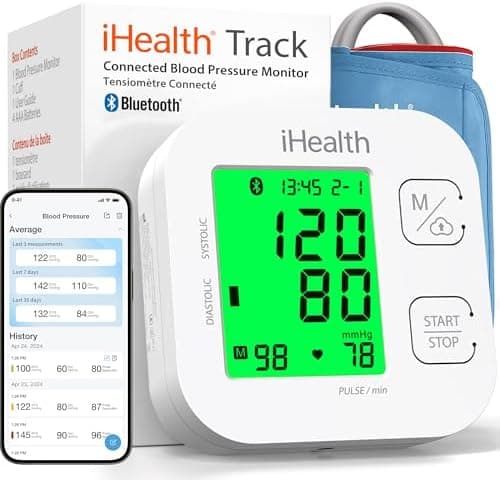
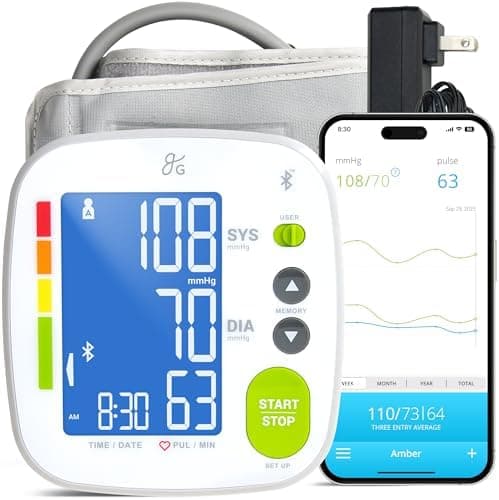
Verified-purchase reviewers and community threads describe the apps as genuinely useful for tracking trends and sharing data with a doctor, but several note that older iHealth and Omron app histories have had sync glitches. If you only need a number on a screen, a non-Bluetooth model is fine.
How do I know a monitor is clinically validated?
Look for products listed on the US Blood Pressure Validated Device Listing (validatebp.org) or flagged as clinically validated by independent testers. Several picks here, including the Omron Evolv, are explicitly called out by The New York Times as appearing on that list.