
VerdictAI

Buying guide · 2026

Best Blue Light Glasses

Blue light glasses are a contested category — Wirecutter, eye doctors on YouTube, and multiple Reddit threads note that clinical evidence for reducing digital eye strain is thin, while reviewers across Health.com, PCMag, and sleep-focused subreddits do find genuine value in amber/red-tinted lenses for evening screen use. The picks below synthesize what reviewers across the internet actually say about the most-discussed pairs on Amazon, weighted by source trust, with honest disagreements surfaced rather than smoothed over.

Sources behind this synthesis

24 reviewers read. Weighted by trust.

We don’t review products. We read what other reviewers wrote, score each source for trustworthiness, and synthesize the consensus.

How sources are scored →

Trust mix

No flagged sources

Trusted2trustedMixed6mixed

Trusted contributors

The New York Times
Show all 10 other sources →
YouTube · YouTubeYouTube · functional Blue Light GlassesYouTube · The Best Blue Light ...YouTube · It's a Scam!YouTube · Top 3 Blue Light ...r/sleephackersr/BuyItForLifer/TheGirlSurvivalGuider/Residencyr/glasses

By source type

Expert
2
Retailer
0
Community
6
Video
16

At a glance

Our top pick

#1 of 5
Top pick · #1TIJN Sleep Glasses with Blue Green Light Blocking, Red Light Lens for Computer Gaming, Screen Fatigue & UV…
Best overall

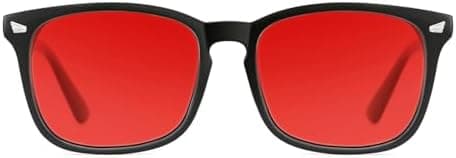
TIJN Sleep Glasses with Blue Green Light Blocking, Red Light Lens for Computer Gaming, Screen Fatigue & UV…

TIJN

★★★★★4.4(53,010)82Great

Across the reviewers we read, TIJN consistently lands in the 'comfortable and competent' middle of the pack. Wirecutter's testers specifically called out that the frames 'smoothly hug the bridge of the nose, and their arms lie flat across the temples' — the kind of fit observation that's hard to fake.

The rest of the rankings

#2–5

Frequently asked

5 questions
Do blue light glasses actually work?
The evidence is split. High-trust sources like Wirecutter and multiple eye doctors interviewed in YouTube reviews argue that clear-lens 'blue light' glasses show little measurable benefit for digital eye strain in clinical studies. However, reviewers on r/sleephackers and Health.com testing found that amber and red-tinted lenses do measurably block the 450–510nm wavelength range linked to melatonin suppression, making them more credible for sleep than for daytime eye strain.
What's the difference between clear, amber, and red blue light lenses?
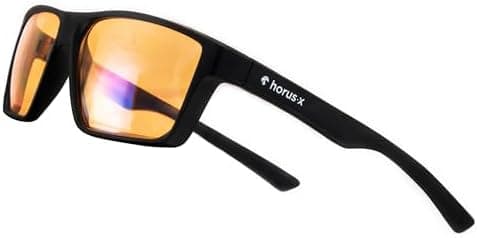
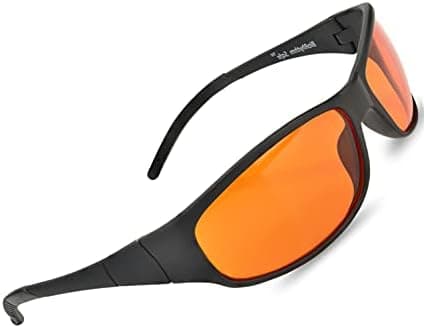
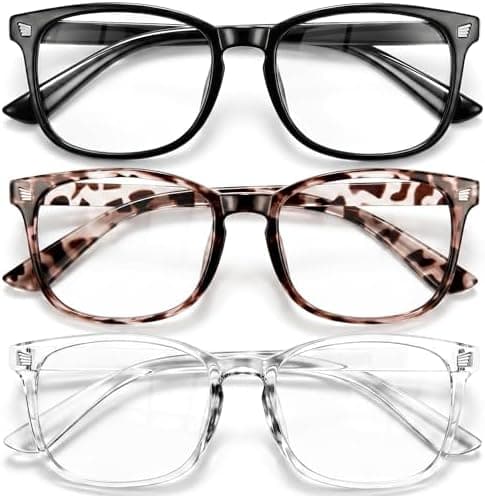
Clear lenses typically block only 10–40% of blue light and are marketed for daytime computer use. Amber lenses block roughly 90–99% and are aimed at evening use. Red lenses block both blue and green light (99%+) and are the strongest option for sleep prep. Reviewers on r/sleephackers consistently note that only tinted lenses block enough light to affect melatonin.
Are expensive blue light glasses worth it over $15 Amazon pairs?
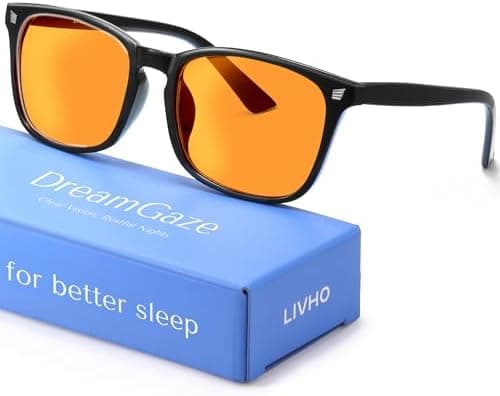
Wirecutter and PCMag both note that pricier pairs (Felix Gray, Pixel Eyewear) offer better frame quality, anti-reflective coatings, and prescription compatibility, but the actual lens filtering performance of cheap Amazon pairs like Livho and TIJN tested comparably in side-by-side blue-light meter tests. If you mainly want the filtering effect, budget options are defensible; if you want frames that last, spend more.
Can I get blue light blocking in prescription glasses?
Yes. Most online retailers (Zenni, EyeBuyDirect, Warby Parker) offer a blue-light add-on for prescription orders, typically $15–$50. The Amazon pairs in this roundup are non-prescription, though some BLUEMOKY models include reading-strength magnification.
Will blue light glasses help me sleep?
Reviewers consistently say amber and red-tinted glasses worn for 2–3 hours before bed can help — r/sleephackers' 30-pair test concluded amber lenses do prevent melatonin suppression from artificial light. Clear-lens glasses are unlikely to make a meaningful sleep difference.