
VerdictAI

Reviewer consensus · 2026

Best Exercise Bikes of 2026What 73 reviewers actually think, trust-weighted

Exercise bikes span everything from sub-$200 belt-drive spin bikes to $1,000-plus connected studio rigs, and the consensus across mainstream tech press, specialist fitness communities, and verified-purchase reviewers is that you don't need to spend Peloton money to get a quiet, stable ride. This roundup is a trust-weighted synthesis of what reviewers across the internet have already published, leaning hardest on independent testing outlets like garagegymreviews.com and outdoorgearlab.com and cross-checking them against retailer and specialist-subreddit sentiment. We weight high-trust labs above marketing-style snippets, and we flag where reviewers genuinely disagree.

Sources behind this verdict

73 reviewers, weighted by source trust

73reviewers read

Weighted by source trust

We don’t review products. We read what other reviewers wrote, score each source for trustworthiness, and synthesize the consensus.

How sources are scored →

At a glance

Compare

Pick any two for a head-to-head

Scores, pros, cons, and our verdict — side by side.

vs

Highest-rated by the consensus

#1 of 7
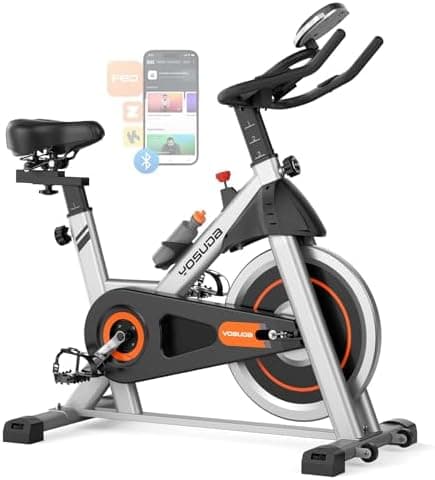
Top pick · #1YOSUDA Exercise Bike, Brake Pad Stationary Bike for Home with Exclusive App, Magnetic Indoor Cycling Bike…
Best overall

YOSUDA Exercise Bike, Brake Pad Stationary Bike for Home with Exclusive App, Magnetic Indoor Cycling Bike…

YOSUDA

★★★★★4.4(25,030)86Great

Across the reviewers we read, the YOSUDA indoor cycling bike is the most thoroughly vetted budget pick in this category. garagegymreviews.com, a high-trust independent testing outlet, highlights its easy portability (two transport wheels, ~72 lbs) and Bluetooth connectivity, while r/SpinClass repeatedly names it the 'best all-rounder for beginners' for being quiet, stable and easy to assemble.

The rest of the rankings

#2,7

Frequently asked

5 questions
Do I need a subscription to use a home exercise bike?
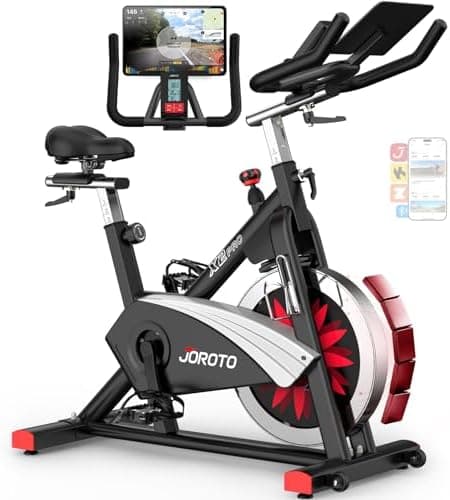
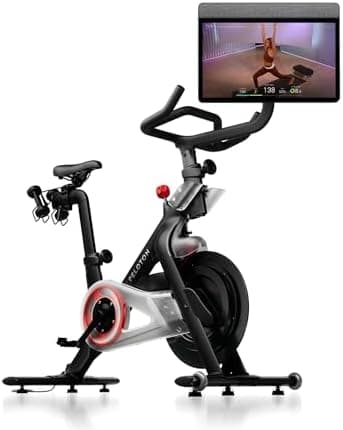
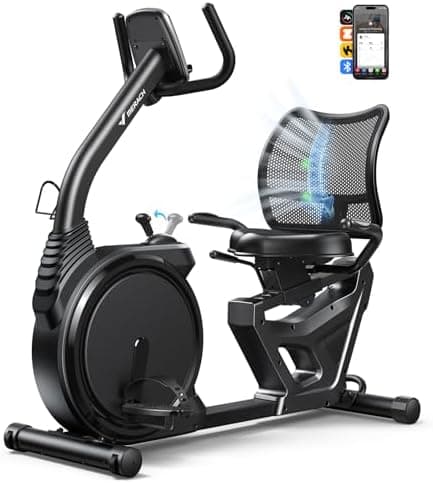
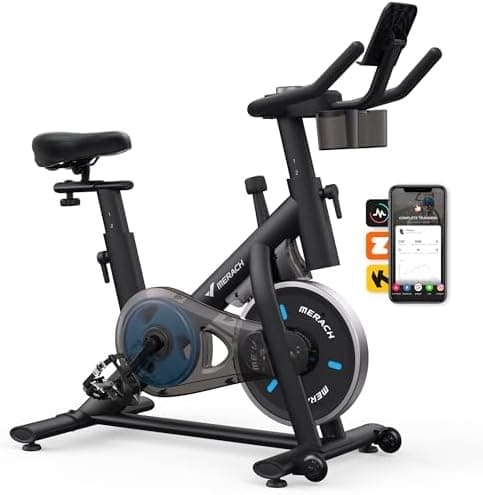
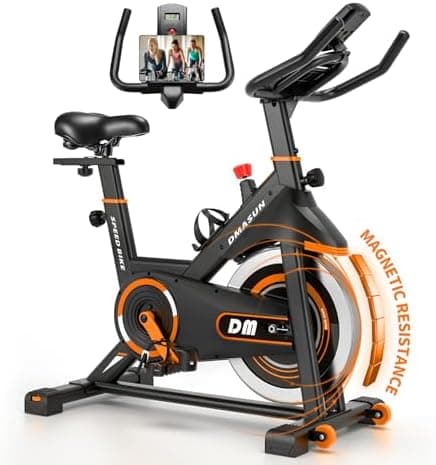
No. Only Peloton's ecosystem is built around a paid membership for its full class library. Budget bikes from YOSUDA, JOROTO, Merach and DMASUN work as fully mechanical machines and pair with free or low-cost third-party apps (or Apple Fitness+, Zwift, etc.) via Bluetooth. Reviewers across r/AppleFitnessPlus and r/SpinClass repeatedly use these bikes specifically as no-subscription Peloton alternatives.
Spin bike or recumbent bike — which should I buy?
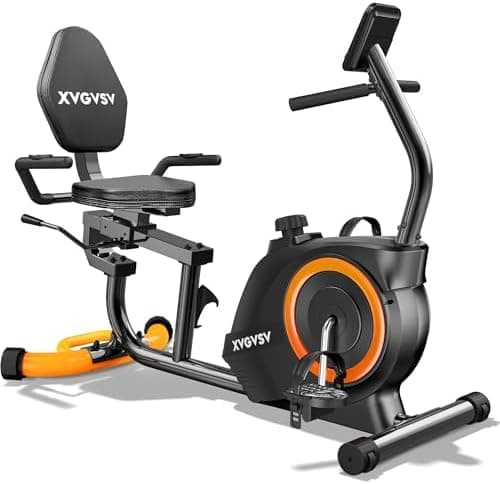
Reviewers frame this around your back and your goals. Specialist threads on r/cycling and r/recumbent note recumbents put far less stress on the lower back and are easier on the joints, making them the consensus pick for seniors, rehab, and all-day low-intensity pedaling. Upright spin bikes are favored for higher-intensity, standing, and interval-style workouts.
Are cheap Amazon exercise bikes actually any good?
For light-to-moderate home use, the consensus is yes. High-trust testers at garagegymreviews.com and outdoorgearlab.com rate the YOSUDA and similar budget bikes well for value. The honest caveat from high-trust community sources is that low-cost pedals, crank arms and plastic parts can be weak points, and r/cycling cautions that Amazon-only brands can be hit-or-miss on durability.
How quiet are magnetic-resistance exercise bikes?
Magnetic and belt-drive bikes are consistently described as near-silent by reviewers — quiet enough to watch TV or use in an apartment. Verified-purchase reviewers and specialist subreddits single out magnetic-resistance versions (versus brake-pad friction) as the smoothest and quietest, with no pads to wear out.
What's the difference between brake-pad (friction) and magnetic resistance?
Friction bikes use a felt/brake pad pressed against the flywheel, which is cheaper but wears over time and can get noisy. Magnetic resistance uses magnets near the flywheel for a smoother, quieter, maintenance-free ride. Across the reviewers we read, magnetic versions are the preferred choice when budget allows.