
VerdictAI

Buying guide · 2026

Best Fitness Trackers

Fitness trackers in 2025 span a wide spectrum — from $20 wristbands to subscription-based recovery coaches — and the reviewer consensus shifts dramatically depending on what you actually want to track. This roundup synthesizes what high-trust testers like Wirecutter, Consumer Reports, RTINGS-adjacent specialists, and long-running subreddits have written about the leading candidates, weighting independent labs and verified-purchase signals over single-outlet headlines.

Sources behind this synthesis

56 reviewers read. Weighted by trust.

We don’t review products. We read what other reviewers wrote, score each source for trustworthiness, and synthesize the consensus.

How sources are scored →

Trust mix

No flagged sources

Trusted2trustedMixed38mixed

Trusted contributors

Consumer ReportsThe New York Times
Show all 18 other sources →
Tom's GuidePCMagr/fitbitThe Verger/whoopYouTube · YouTuber/Garminr/GarminWatchesr/pebbleYouTube · The Best SmartwatchYouTube · Depth Review: Double The Specs?!?YouTube · Top 5 FeaturesCNETTechRadarr/amazfitYouTube · Amazfit Bip 6 Review After 7 Daysr/mibandYouTube · Is it Finally Perfect?

By source type

Expert
10
Retailer
0
Community
30
Video
16

At a glance

Our top pick

#1 of 5
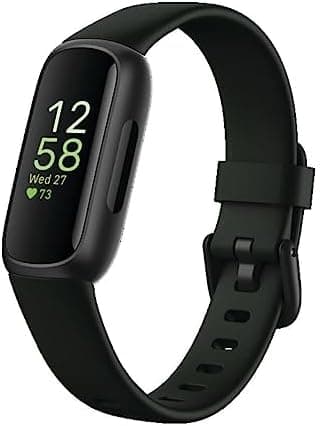
Top pick · #1Fitbit Inspire 3 Health &-Fitness-Tracker with Stress Management, Workout Intensity, Sleep Tracking, 24/7…
Best overall

Fitbit Inspire 3 Health &-Fitness-Tracker with Stress Management, Workout Intensity, Sleep Tracking, 24/7…

★★★★★4.2(24,161)88Great

Across the reviewers we read, the Fitbit Inspire 3 is the most consistently recommended mainstream tracker. Wirecutter names it their overall top pick, Consumer Reports highlights its color display and core sleep/heart-rate suite at a value price, and Tom's Guide calls it 'the best tracker for most people.' PCMag similarly concludes it's the best fitness tracker under $100, citing long battery life and the bright color touchscreen.

The rest of the rankings

#2–5

Frequently asked

5 questions
Do I need a smartwatch or is a fitness tracker enough?
Reviewers across Wirecutter, Tom's Guide and CNET generally agree that if your priorities are step counts, heart rate, sleep, and notifications, a slim tracker like the Fitbit Inspire 3 is lighter, cheaper and has better battery life than a smartwatch. A hybrid like the Garmin Venu Sq 2 or Amazfit Bip 6 makes sense if you also want built-in GPS for running or on-wrist call/text replies.
Which fitness tracker has the best sleep tracking?
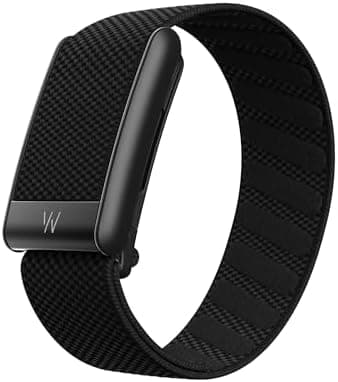
Consensus among The Verge, CNET and the r/whoop community points to WHOOP 5.0 for the most detailed sleep and recovery analytics, though it requires an ongoing membership. For people who don't want a subscription, Fitbit's Inspire 3 sleep stages are praised by Consumer Reports and Wirecutter as solid for the price.
Are cheap Amazon smartwatches under $50 any good?
High-trust outlets like Consumer Reports and CNET consistently warn that no-name sub-$50 smartwatches lag well behind Fitbit, Garmin and Amazfit on heart-rate accuracy, app support and long-term software updates. They can work as basic step counters and notification mirrors, but reviewers flag inconsistent Bluetooth connectivity and short useful lifespans.
Does the Fitbit Inspire 3 require a Premium subscription?
Consumer Reports specifically flags that several advanced metrics (like the full Daily Readiness Score) are gated behind Fitbit Premium, though Wirecutter and r/fitbit users note that core tracking — steps, heart rate, sleep stages, workouts — works without a paid plan.
What's the best fitness tracker for runners on a budget?
For runners who need built-in GPS without paying flagship prices, CNET's Amazfit Bip 6 review and r/amazfit consensus call out its on-board GPS plus offline maps as standout features under $100. The Garmin Venu Sq 2 is the step-up pick that PCMag and DC Rainmaker both highlight for more accurate GPS and Garmin's stronger training metrics.