
VerdictAI

Reviewer consensus · 2026

Best Yoga Blocks of 2026What 61 reviewers actually think, trust-weighted

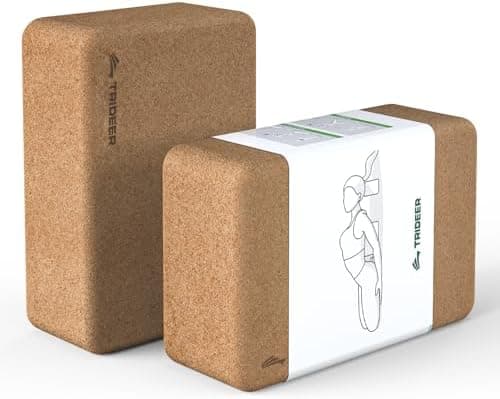
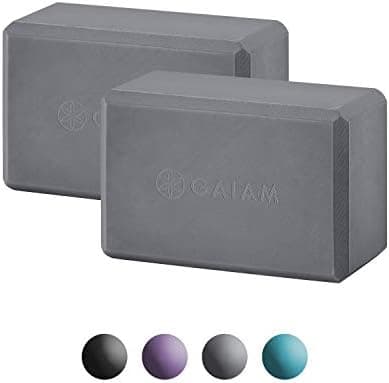
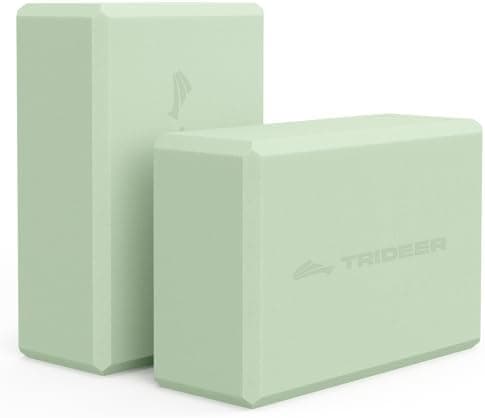
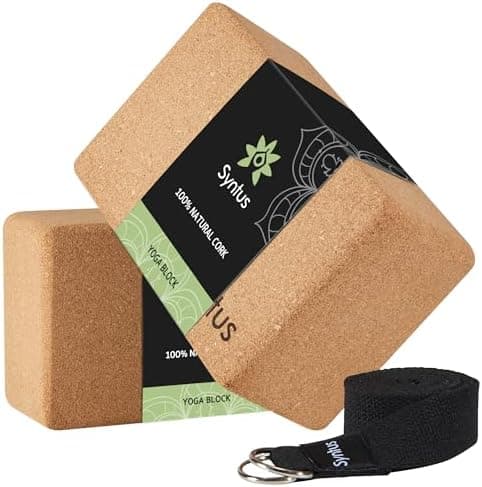
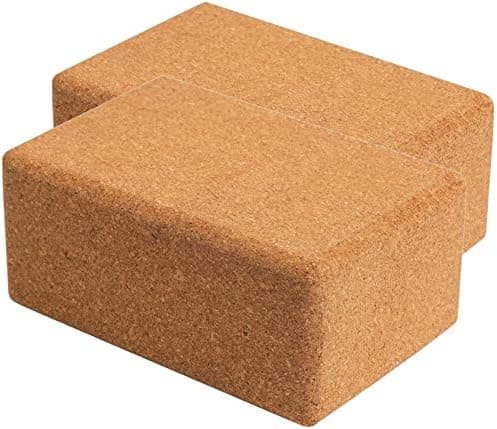
Yoga blocks split cleanly into two camps: dense cork that stays put and supports body weight, and lightweight foam that's softer and easier to lie on. To build this ranking we synthesized independent testing roundups, mainstream how-to reviews, verified-purchase ratings, and r/yoga community threads, weighting high-trust testing sources like outdoorgearlab.com most heavily. The consensus across the reviewers we read is that material choice matters more than brand: cork wins for stability and grip, foam wins for cushioning and price.

Sources behind this verdict

61 reviewers, weighted by source trust

61reviewers read

Weighted by source trust

We don’t review products. We read what other reviewers wrote, score each source for trustworthiness, and synthesize the consensus.

How sources are scored →

Trust hierarchy

Trusted1
Verified0
Supporting6
Flagged0

Source mix

61signals
  • 1Press
  • 36Community
  • 24Video

Trusted · 1 source

Independent · documented methodology

At a glance

Compare

Pick any two for a head-to-head

Scores, pros, cons, and our verdict — side by side.

vs

Highest-rated by the consensus

#1 of 7
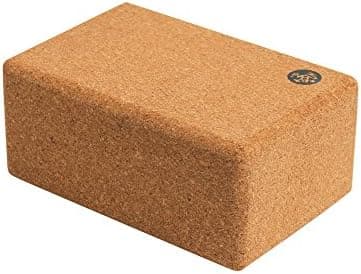
Top pick · #1Manduka Yoga Block - Fine-Grain Block, Yoga Equipment, Home Gym Accessory, Pilates Tool, Lightweight for…
Best overall

Manduka Yoga Block - Fine-Grain Block, Yoga Equipment, Home Gym Accessory, Pilates Tool, Lightweight for…

Manduka

★★★★★4.8(3,179)90Excellent

Across the reviewers we read, Manduka is the most consistently praised name in this category. The high-trust testing roundup at outdoorgearlab.com calls the Manduka cork "top of the class for its grippy surface, incredible stability, and ability to support a wide range of poses, including challenging ones," and a high-trust nytimes.com cork-block review also appears in the signals for this listing.

The rest of the rankings

#2,7

Frequently asked

5 questions
Are cork or foam yoga blocks better?
It depends on use. Across the reviewers and r/yoga threads we read, cork blocks are consistently described as heavier, firmer, and more stable for weight-bearing poses and balance work, while foam blocks are lighter, softer, and more comfortable to lie on during restorative poses. Many practitioners own both.
Do I need one yoga block or two?
Most poses that use blocks for alignment (like triangle or half-moon) benefit from a matched pair, and community discussion notes restorative and legs-up-the-wall setups often need two. Beginners can start with one, but reviewers frequently recommend buying a pair so heights match.
What size yoga block should I buy?
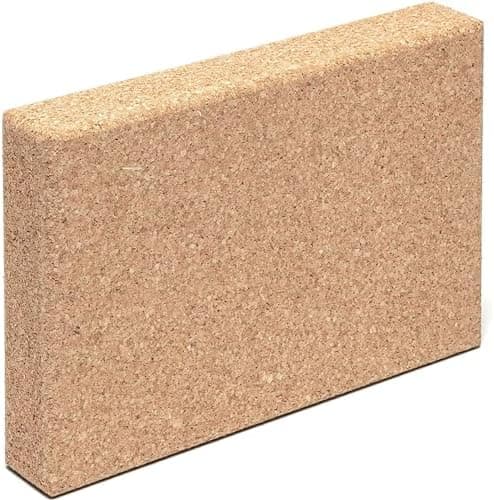
The standard is 9 x 6 x 4 inches, which most reviewers consider the versatile default. Slimmer 3-inch-thick blocks are easier to grip for smaller hands and travel, while the full 4-inch dimension gives more lift for tight hips and shoulders.
Are cork yoga blocks worth the extra money?
Specialist-community consensus on r/yoga is that cork's added weight and grip make it worth it for support and sweaty practice, since the blocks stay planted as you wobble. Foam remains the better value if you mainly want cushioning or lie on the block.
Do foam yoga blocks wear out?
Verified-purchase and community reviewers note foam can scuff, dent, and shed small pieces over time, and lower-density foam compresses faster. High-density foam and cork both hold their shape longer under repeated weight-bearing use.