
VerdictAI

Reviewer consensus · 2026

Best Yoga Mats of 2026What 68 reviewers actually think, trust-weighted

Yoga mats are one of the most opinion-saturated corners of the fitness market, so we pulled together what independent testers, mainstream tech and lifestyle press, verified-purchase shoppers, and specialist communities like r/yoga and r/YogaTeachers have actually written about the most-discussed options. The picks below are a trust-weighted synthesis of that consensus, leaning hardest on independent testing (outdoorgearlab) while cross-checking against high-volume retailer ratings and real-world community feedback. Where reviewers disagree, particularly on grip, break-in time, and durability, we surface it rather than smooth it over.

Sources behind this verdict

68 reviewers, weighted by source trust

68reviewers read

Weighted by source trust

We don’t review products. We read what other reviewers wrote, score each source for trustworthiness, and synthesize the consensus.

How sources are scored →

At a glance

Compare

Pick any two for a head-to-head

Scores, pros, cons, and our verdict — side by side.

vs

Highest-rated by the consensus

#1 of 7
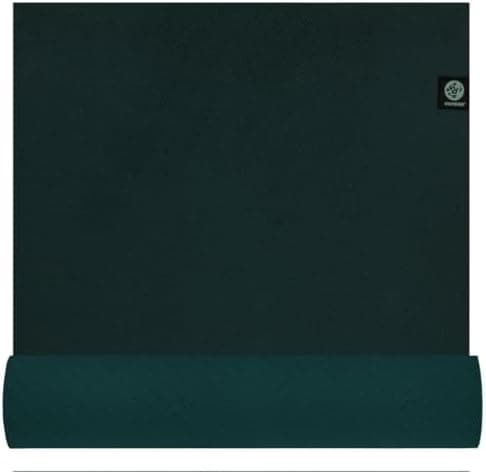
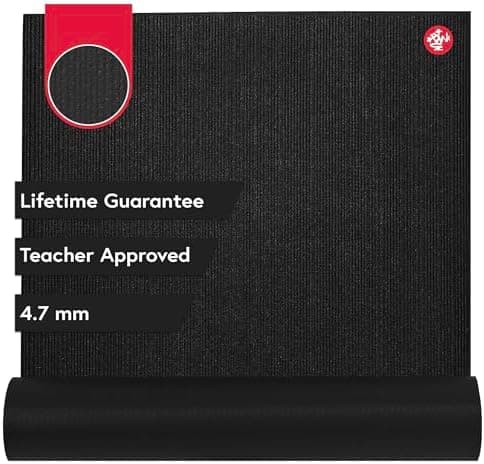
Top pick · #1Manduka PROlite Yoga Mat 4.7mm | Lifetime Durability | Hygienic Construction | Teacher Approved OEKO-TEX…
Best overall

Manduka PROlite Yoga Mat 4.7mm | Lifetime Durability | Hygienic Construction | Teacher Approved OEKO-TEX…

Manduka

★★★★★4.5(4,569)90Excellent

Across the reviewers we read, the Manduka PROlite is the most consistently recommended all-rounder in this group. outdoorgearlab, an independent testing source, singles out the Manduka line for having one of the most supportive cushions in its tests and notes a yoga therapist uses the PRO with rehab clients, while fitandwell calls the PROlite a good all-rounder that impresses with its large size and comfortable 4.7mm thickness.

The rest of the rankings

#2,7

Frequently asked

4 questions
What thickness of yoga mat should I buy?
Across the reviewers we read, around 4.7mm to 6mm is the consensus sweet spot for general yoga, balancing cushion with stability. Thicker 10mm and 1-inch mats earn praise for joint protection during Pilates and floor work, but community threads repeatedly warn that very thick mats can hurt balance in standing and one-leg poses. If you do mostly standing flows, go thinner; if you spend a lot of time on knees and spine, go thicker.
Are expensive mats like Manduka actually worth it?
High-trust testing and specialist-community sentiment broadly say yes for durability, but with a caveat: Manduka mats are repeatedly described as slippery out of the box and needing weeks-to-months of break-in before grip peaks. Reviewers who valued lifetime longevity and dense cushion felt the premium was justified; those who wanted instant sweat grip often preferred a dedicated dry-grip or rubber surface.
Which yoga mat is best for hot yoga and sweaty hands?
Reviewers point toward moisture-wicking dry-grip surfaces and broken-in rubber/PU mats for hot yoga. Dedicated dry-grip topcoats draw the most praise for staying grippy when wet, though several long-term users report the coating can wear or peel over time. A separate yoga towel is still a commonly recommended backup for heavy sweaters.
Is a budget yoga mat good enough for beginners?
For non-hot, home practice, mainstream reviewers and community consensus agree budget mats are more than adequate to start. Inexpensive foam mats win on cushion and price, with the main trade-offs being lower grip when new, a tendency to retain heat, and shorter lifespans than premium rubber or PU options.