
VerdictAI

Reviewer consensus · 2026

Best Espresso Machines (Home) of 2026What 70 reviewers actually think, trust-weighted

Home espresso machines span a huge range, from $90 stainless-steel compacts to four-figure bean-to-cup machines, and the reviewer consensus we aggregated rarely tracks neatly with price or star rating. This roundup synthesizes what independent testers, specialist espresso communities, and verified-purchase reviewers have written across the web, weighting independent testing outlets like coffeegeek.com and coffeeness.de most heavily and surfacing the disagreements (notably on the De'Longhi La Specialista line) rather than smoothing them over. We don't test these machines ourselves; we summarize the trust-weighted consensus of those who do.

Sources behind this verdict

70 reviewers, weighted by source trust

70reviewers read

Weighted by source trust

We don’t review products. We read what other reviewers wrote, score each source for trustworthiness, and synthesize the consensus.

How sources are scored →

At a glance

Compare

Pick any two for a head-to-head

Scores, pros, cons, and our verdict — side by side.

vs

Highest-rated by the consensus

#1 of 7
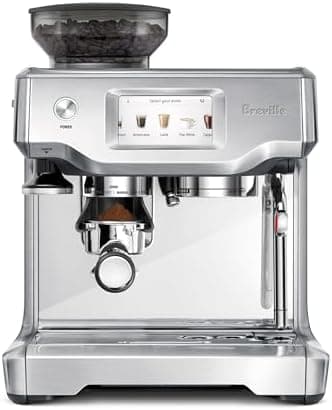
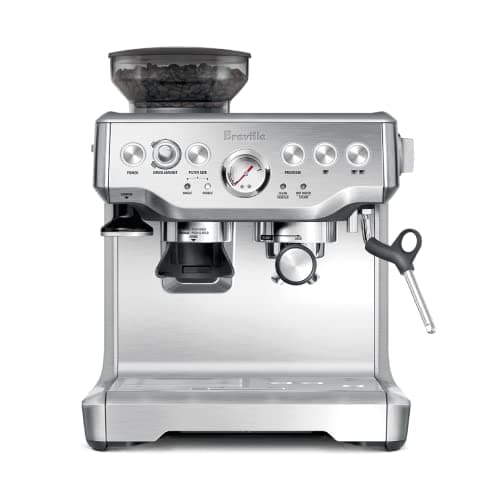
Top pick · #1Breville Barista Express Espresso Machine BES870XL, Brushed Stainless Steel
Best overall

Breville Barista Express Espresso Machine BES870XL, Brushed Stainless Steel

★★★★★4.5(27,576)90Excellent

Across the reviewers we read, the Breville Barista Express is the most consistently recommended home espresso machine in this pool. coffeegeek.com highlights how quiet it runs given that it's grinding beans and running a vibration pump at once, while coffeeness.de praises the rugged stainless-steel housing and weighty portafilter as signs of a machine built to last.

The rest of the rankings

#2,7

Frequently asked

5 questions
Do I need a separate grinder for a home espresso machine?
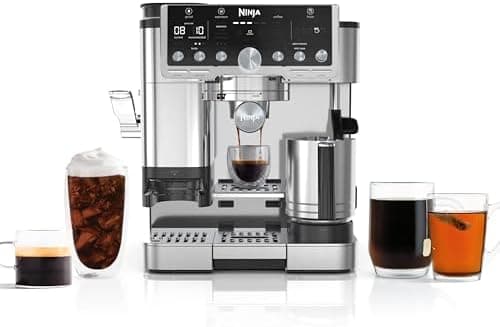
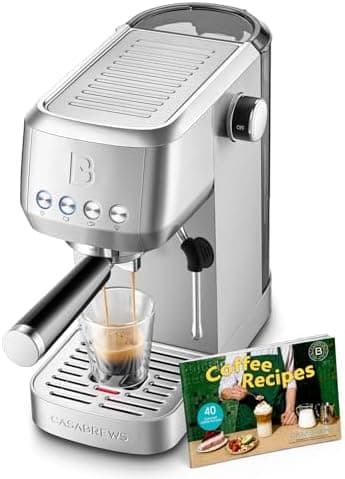
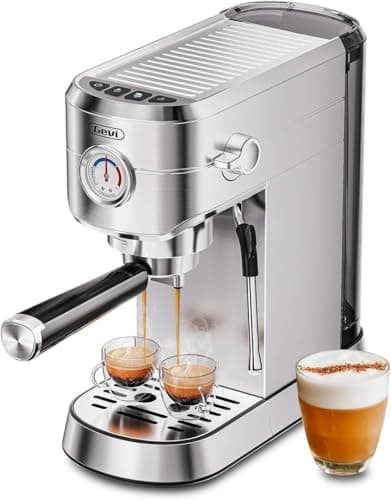
It depends on the model. Machines like the Breville Barista Express and Ninja Luxe Café Pro include a built-in burr grinder, which reviewers consistently call the single most important factor for good espresso. Pump machines without a grinder (most sub-$200 CASABREWS, Gevi, and De'Longhi compacts) can still pull good shots, but specialist-community consensus is blunt: pair them with a quality grinder and fresh beans or expect mediocre results.
What's the difference between semi-automatic and super-automatic espresso machines?
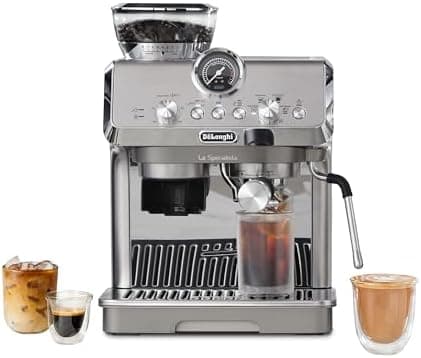
Semi-automatic machines (like the Breville Barista Express or De'Longhi La Specialista) let you control the grind, dose, tamp, and milk steaming, which gives more flavor control but a steeper learning curve. Super-automatic and one-touch machines (the Breville Barista Touch and Ninja Luxe Café Pro lean this way) automate grinding, dosing, and milk texturing for convenience at the cost of fine-grained control.
Are cheap $100 espresso machines worth buying?
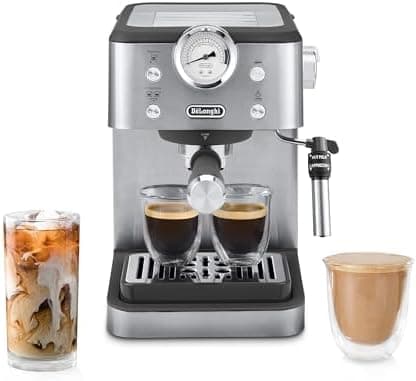
Reviewer consensus is that budget machines like the CASABREWS 3700, Gevi, and De'Longhi Classic can make enjoyable milk drinks and are fine entry points, but high-trust testers and specialist subreddits repeatedly note inconsistent extraction, weak steam pressure, and a need for careful grind dialing. They're best framed as learning machines, not café replacements.
How much should I spend on a good home espresso machine?
Across the reviewers we read, the most-praised all-rounders cluster in the $500–$750 range (Breville Barista Express and Touch, Ninja Luxe Café Pro), where you get a built-in grinder and competent steaming. You can spend under $200 and still make decent milk drinks, but expect more manual fuss and less consistency.
Is the Breville Barista Express still worth it?
It remains one of the most-reviewed and most-recommended home machines on the market, with high-trust outlets praising its build quality, quiet operation, and integrated grinder. The main caveats reviewers raise are its single-boiler design (no simultaneous brewing and steaming) and modest steam pressure compared with dual-boiler machines.