
VerdictAI

Reviewer consensus · 2026

Best Microwaves of 2026What 77 reviewers actually think, trust-weighted

Microwaves are a category where marketing specs rarely match real-world heating performance, so we synthesized what independent testers, major-retailer verified buyers, and specialist kitchen communities have already published rather than running our own tests. High-trust testing sources like rtings.com and techgearlab.com, plus retailer review pools from Best Buy and Costco, did most of the heavy lifting here, while flagged and anonymous affiliate content was discounted. Across the reviewers we read, the recurring themes were sensor-cooking accuracy, heating evenness, and — repeatedly — long-term reliability concerns on over-the-range units.

Sources behind this verdict

77 reviewers, weighted by source trust

At a glance

Compare

Pick any two for a head-to-head

Scores, pros, cons, and our verdict — side by side.

vs

Highest-rated by the consensus

#1 of 8

The rest of the rankings

#2,8

Frequently asked

5 questions
Is an inverter microwave actually worth it?
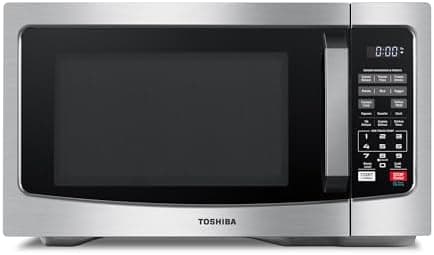
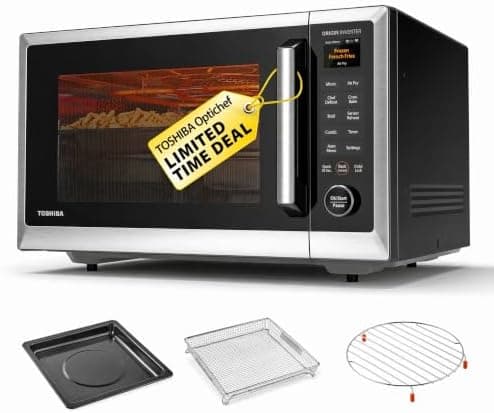
Across specialist communities like r/BuyItForLife and r/Appliances, opinions are split. Inverter models promise true variable power for gentler defrosting and reheating, but reviewers note that several of the most-recommended units (including the popular Toshiba EM131A5C) are non-inverter and still perform well. Community consensus is that inverter tech is a nice-to-have rather than a must-have for most reheating-focused buyers.
Why do over-the-range microwaves get such mixed reviews?
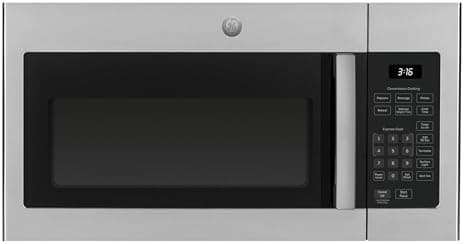
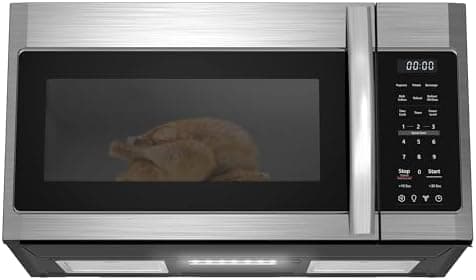
Reliability is the dominant complaint. r/Appliances threads repeatedly warn that many OTR units share components and suffer handle and door-switch failures within a few years, and high-trust community posts in r/HomeImprovement echo short lifespans. consumerreports.org also rated at least one Black+Decker OTR model as only mediocre on heat evenness. Buyers prioritizing venting and built-in looks accept these tradeoffs.
What size microwave should I buy?
Reviewers tie capacity to turntable size: roughly 0.9 cu ft for apartments and dorms, 1.1–1.6 cu ft for most households, and 2.0+ cu ft for large dishes. Community reviewers note a 12.4-inch turntable comfortably fits dinner plates and large bowls, while compact 10.6-inch trays handle a single 10-inch pizza.
Are higher-wattage microwaves better?
Higher wattage generally cooks faster, and rtings.com notes that more powerful units can also run quieter relative to cook time. However, reviewers caution that sensor accuracy and heating evenness matter more for everyday reheating than raw wattage, and some high-wattage units still earned complaints about uneven heating.
Which microwave brands are most reliable?
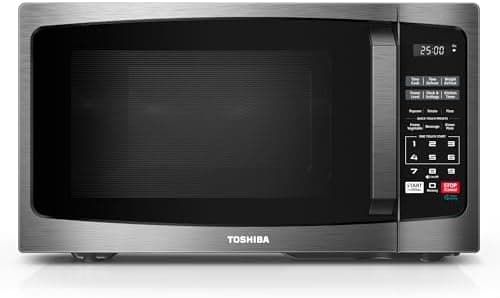
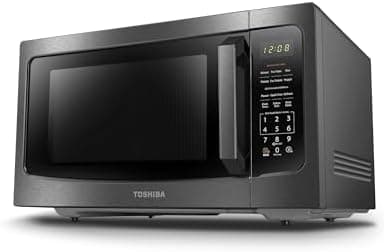
There is no clear winner in the data. GE earns praise for performance but draws frequent reliability complaints in r/homeowners and r/Appliances, Toshiba's countertop units are the most consistently recommended across communities, and r/Appliances reviewers point out that many OTR microwaves are built by the same manufacturer regardless of badge.