
VerdictAI

Reviewer consensus · 2026

Best Water Filter Pitchers of 2026What 51 reviewers actually think, trust-weighted

Water filter pitchers promise cleaner, better-tasting tap water without a plumber, but the reviewers we read agree that performance varies widely between models and that marketing claims often outrun independently certified results. This roundup synthesizes verified-purchase reviews, specialist water-treatment communities, and high-trust testing write-ups from sources such as Serious Eats, Consumer Reports, and TechGearLab to surface where the consensus actually lands. We weight independent lab testing and certification evidence over star ratings alone, and we flag the contaminant-removal disagreements honestly.

Sources behind this verdict

51 reviewers, weighted by source trust

51reviewers read

Weighted by source trust

We don’t review products. We read what other reviewers wrote, score each source for trustworthiness, and synthesize the consensus.

How sources are scored →

At a glance

Compare

Pick any two for a head-to-head

Scores, pros, cons, and our verdict — side by side.

vs

Highest-rated by the consensus

#1 of 5
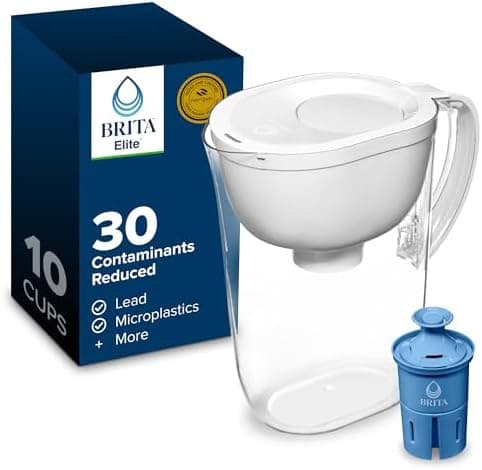
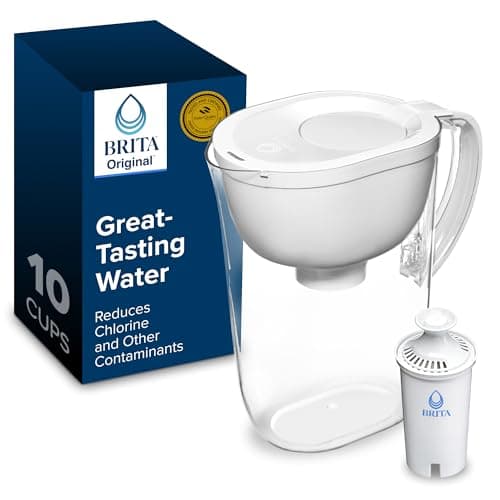
Top pick · #1Brita Large 10-Cup Water Filter Pitcher, WQA NSF/ANSI Certified, Removes Chlorine Taste & Odor, Reduces Zinc…
Best overall

Brita Large 10-Cup Water Filter Pitcher, WQA NSF/ANSI Certified, Removes Chlorine Taste & Odor, Reduces Zinc…

BRITA

★★★★★4.6(59,758)88Great

Across the reviewers we read, Brita's Large 10-Cup pitcher is the default recommendation for most households. Serious Eats highlights Brita's proven reduction of lead, mercury, and chlorine and praises the tight-fitting lid in its lineup testing, while Consumer Reports' pitcher testing found that most pitchers improve taste and odor but that the worst performers were slow and prone to clogging—a bar Brita's mainstream models generally clear.

The rest of the rankings

#2,5

Frequently asked

5 questions
Do water filter pitchers actually remove lead?
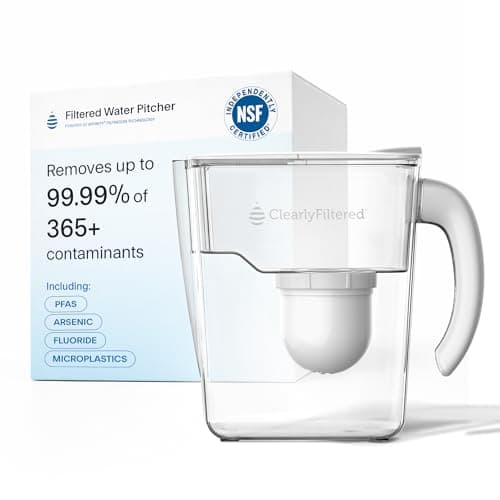
Only some do. Across the reviewers we read, pitchers using Brita's Elite filter and premium models like Clearly Filtered are certified to reduce lead, while standard activated-carbon filters mainly address chlorine taste and odor. Specialist communities on r/WaterTreatment repeatedly stress checking for NSF/ANSI 53 (and lead-specific) certification rather than relying on NSF 372, which only confirms the materials are lead-free.
Why do my pitcher filters clog or slow down so fast?
This is one of the most common complaints in the data. Sediment-heavy or high-TDS tap water clogs fine filters quickly, and r/WaterTreatment threads specifically note that filters lacking a pre-sediment layer slow dramatically. Reviewers also report Brita Elite filters slowing 'even when brand new,' and premium high-contaminant filters trade speed for thoroughness.
Are expensive pitchers like Clearly Filtered worth it over a Brita?
It depends on your water and your goals. The reviewers we read say premium pitchers target far more contaminants, but high-trust testing notes and community threads flag much higher running costs, slower flow, and some independent test discrepancies. For basic chlorine-and-taste improvement, mainstream reviewers consider an inexpensive Brita the better value.
What size pitcher should I buy?
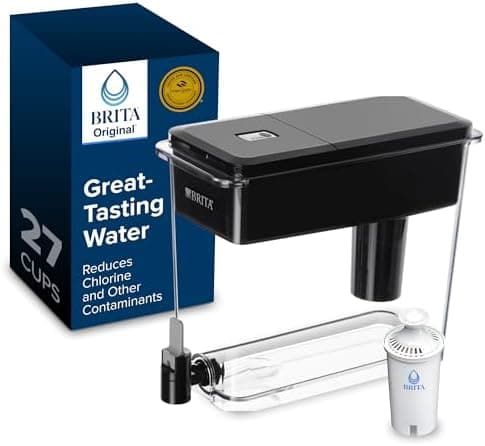
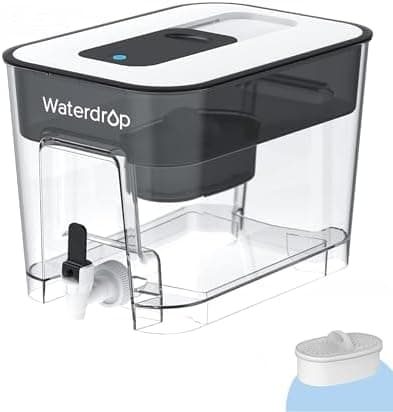
Match capacity to household size and fridge space. Verified-purchase reviewers favor 10-cup pitchers for one or two people and 27-to-40-cup dispensers for families, though several note that large dispensers are heavy when full and that filter housings can eat into usable capacity.
Do these pitchers remove PFAS and microplastics?
Some are certified for microplastics and claim PFAS reduction, but the evidence is uneven. High-trust testing notes that standard Brita filters are not designed for PFAS or arsenic, while premium and Elite filters fare better; specialist communities urge buyers to verify independent test data rather than trust label claims.