
VerdictAI

Reviewer consensus · 2026

Best Ergonomic Mice (Vertical & Trackball) of 2026What 44 reviewers actually think, trust-weighted

Ergonomic mice split into two camps, vertical designs that twist your wrist into a neutral handshake position and trackballs that keep your hand still while your thumb does the work. This roundup synthesizes what verified-purchase reviewers, specialist communities like r/MouseReview and r/Trackballs, and mainstream tech press have written about the most-discussed models, weighted by source trust. Rather than a single hands-on verdict, what follows is a trust-weighted read of the consensus, including where reviewers disagree.

Sources behind this verdict

44 reviewers, weighted by source trust

44reviewers read

Weighted by source trust

We don’t review products. We read what other reviewers wrote, score each source for trustworthiness, and synthesize the consensus.

How sources are scored →

Trust hierarchy

Trusted1
Verified0
Supporting15
Flagged0

Source mix

44signals
  • 2Press
  • 2Retailer
  • 24Community
  • 16Video

Trusted · 1 source

Independent · documented methodology

At a glance

Compare

Pick any two for a head-to-head

Scores, pros, cons, and our verdict — side by side.

vs

Highest-rated by the consensus

#1 of 6
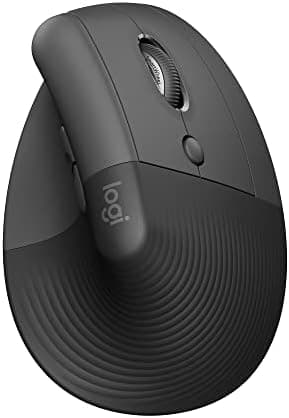
Top pick · #1Logitech Lift Vertical Ergonomic Mouse, Wireless, Bluetooth or Logi Bolt USB Receiver, Quiet clicks, 6…
Best overall

Logitech Lift Vertical Ergonomic Mouse, Wireless, Bluetooth or Logi Bolt USB Receiver, Quiet clicks, 6…

★★★★★4.4(14,600)87Great

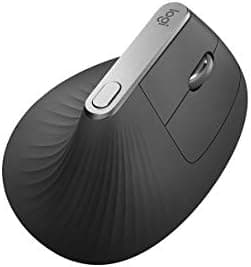
Across the reviewers we read, the Logitech Lift lands as the most broadly recommended vertical mouse for typical office use. An r/MouseReview thread sums up the consensus neatly, calling it a 'very normal' mouse that nonetheless 'feels high end' and simply stays out of the way, which is exactly what most strain-conscious buyers want.

The rest of the rankings

#2,6

Frequently asked

4 questions
Is a vertical mouse or a trackball better for wrist pain?
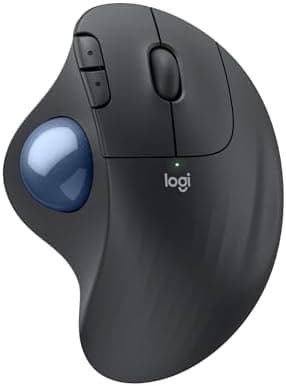
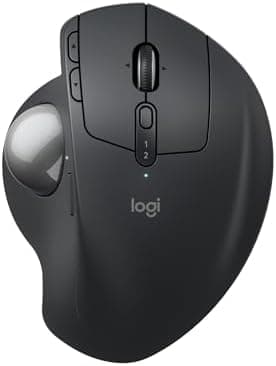
Reviewers and ergonomics-focused communities frame this as a personal-fit question rather than a clear winner. Vertical mice (like the Logitech Lift and MX Vertical) rotate your wrist into a neutral handshake angle and suit people who want a near-traditional mousing motion, while trackballs (like the Logitech M575S and MX Ergo S) eliminate arm movement entirely and suit cramped desks or shoulder strain. Across the reviewers we read, the strong recommendation is to match the device to your specific pain source and hand size, and to expect an adjustment period of a few days to a couple of weeks.
Do I need to worry about hand size when buying an ergonomic mouse?
Yes. Retailer listings and community threads repeatedly note that the Logitech Lift is tuned for small-to-medium hands while the larger MX Vertical fits bigger hands, and r/Trackballs commenters with large hands flagged the lower-profile M575S as a less comfortable fit. Checking the manufacturer's stated hand-size guidance before buying is the single most common piece of advice in the reviews.
Are budget vertical mice like the ProtoArc or Anker worth it over a Logitech?
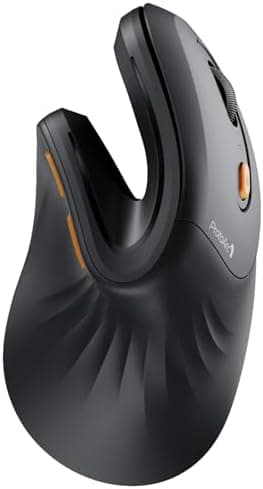
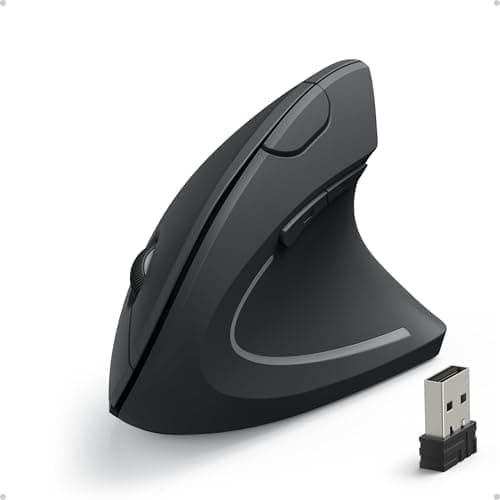
For comfort, reviewers say yes; for sensor precision, it depends. High-trust community reviews praise the ProtoArc EM11 NL's shape and value, and the Anker is widely called the most comfortable shape at its price. However, high-trust testing flagged the Anker's sensor as sub-par and inconsistent for anything beyond office use, so demanding users may prefer Logitech's pricier models.
Can ergonomic mice connect to multiple devices?
Many can. Several picks here (the Logitech Lift, MX Ergo S, ProtoArc EM11 NL and Anker) advertise multi-device switching over Bluetooth and/or a USB receiver, which reviewers in office-focused threads cite as a practical perk for switching between a laptop and desktop.