
VerdictAI

Reviewer consensus · 2026

Best Mesh Task Chairs (Mid-Range) of 2026What 50 reviewers actually think, trust-weighted

Mid-range mesh task chairs are a crowded segment, and the consensus across mainstream tech press, specialist subreddit threads, and verified-purchase reviewers is that the category is improving fast but uneven on durability. Below is a trust-weighted synthesis of what reviewers across the internet have written about the leading picks in the roughly $100–$300 range, with high-trust expert and specialist-community signals weighted most heavily and flagged or anonymous YouTube hype discounted accordingly. Expect honest disagreement on lumbar feel and mesh longevity, those are the recurring fault lines in this segment.

Sources behind this verdict

50 reviewers, weighted by source trust

50reviewers read

Weighted by source trust

We don’t review products. We read what other reviewers wrote, score each source for trustworthiness, and synthesize the consensus.

How sources are scored →

At a glance

Highest-rated by the consensus

#1 of 5
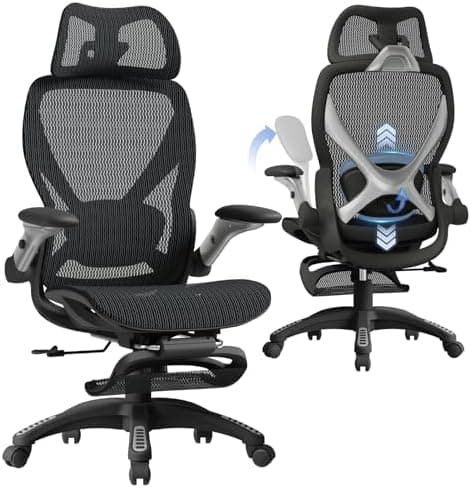
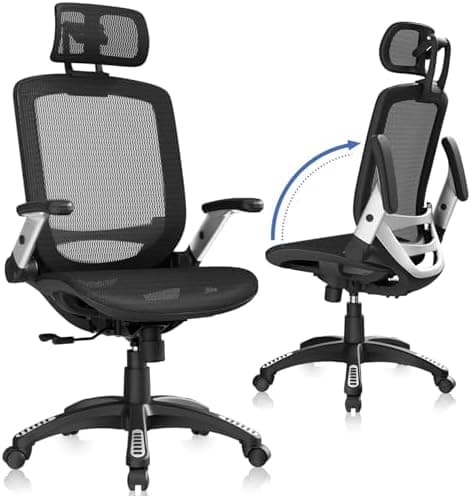
Top pick · #1GABRYLLY Ergonomic Office Chair, High Back Home Desk Chair with Headrest, Flip-Up Arms, 90-120° Tilt Lock and…
Best overall

GABRYLLY Ergonomic Office Chair, High Back Home Desk Chair with Headrest, Flip-Up Arms, 90-120° Tilt Lock and…

GABRYLLY

★★★★★4.5(14,344)84Great

Across the reviewers we read, the GABRYLLY high-back mesh chair has emerged as the default mid-range recommendation. techgearlab.com, the only high-trust expert source in this candidate's signals, characterizes it as a chair that performs reasonably well across the board without commanding a premium price, which lines up with the overwhelming mainstream consensus.

The rest of the rankings

#2,5

Frequently asked

5 questions
Is a mesh task chair worth it under $300?
Reviewers we read generally agree that mid-range mesh chairs in the $150–$300 band offer meaningful ergonomic upgrades over basic task chairs, particularly on breathability and adjustable lumbar. However, specialist subreddit threads repeatedly caution that build quality, mesh tension longevity, and lumbar geometry vary widely, and that no chair in this range will match a used Steelcase Leap or Herman Miller Aeron for long-term durability.
How long do mid-range mesh chairs typically last?
Across specialist-community threads and verified-purchase reviews, two to five years is the realistic expectation for chairs in this price band, with the failure points most often cited being mesh sagging, plastic lumbar arms cracking, and tilt mechanisms developing squeaks. Heavier users (230 lb+) report faster wear, so big-and-tall buyers should weight load rating heavily.
Mesh seat or padded seat for long hours?
This is the most contested question in the category. Reviewers on r/OfficeChairs and r/homeoffice are split: some say firm mesh seats prevent the sweat and pressure-point issues of foam, while others report that tight mesh seats create hot spots under the thighs or even sciatica-like symptoms over long sessions. Body weight and sit posture matter more than the mesh-vs-foam choice in isolation.
Do I need a headrest on a task chair?
Reviewer consensus is that a headrest only helps if you actually recline; for upright desk work it tends to push the head forward or sit out of reach. If you do recline frequently, look for a headrest that is independently adjustable in both height and tilt, fixed headrests are the most common complaint we saw.
What ergonomic adjustments actually matter in this price range?
Across the reviewers we read, the highest-impact adjustments are seat height, adjustable lumbar (both height and depth, not just a pad), and arm height. 4D or 3D arms and seat-depth adjustment are nice-to-haves that increasingly show up under $300, but specialist reviewers warn that more knobs don't equal better ergonomics if the underlying geometry is wrong for your body.