
VerdictAI

Reviewer consensus · 2026

Best Charcoal Grills of 2026What 81 reviewers actually think, trust-weighted

Charcoal grills span a huge range, from sub-$150 kettles to four-figure ceramic and steel kamados, and the consensus across the reviewers we read is that fit-for-purpose matters more than price. This roundup synthesizes verified-purchase reviews from major retailers, high-trust expert sources including nytimes.com and amazingribs.com, and specialist communities like r/webergrills, r/KamadoJoe and r/grilling. We are summarizing where reviewers agree and, just as importantly, where they disagree, rather than delivering a hands-on verdict of our own.

Sources behind this verdict

81 reviewers, weighted by source trust

81reviewers read

Weighted by source trust

We don’t review products. We read what other reviewers wrote, score each source for trustworthiness, and synthesize the consensus.

How sources are scored →

At a glance

Compare

Pick any two for a head-to-head

Scores, pros, cons, and our verdict — side by side.

vs

Highest-rated by the consensus

#1 of 8
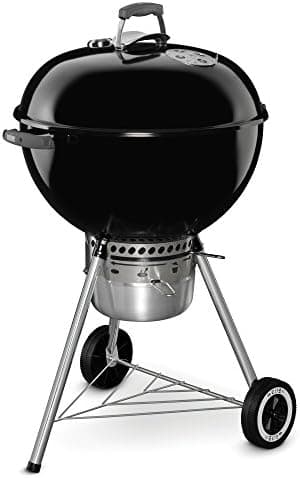
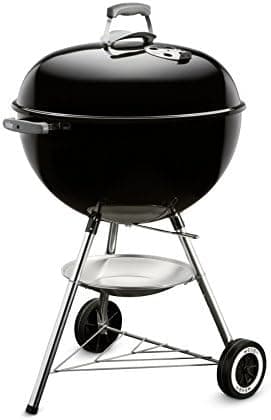
Top pick · #1Weber Original Kettle Charcoal Grill, 22-Inch, Black – Classic Outdoor BBQ Grill with One‑Touch™ Cleaning…
Best overall

Weber Original Kettle Charcoal Grill, 22-Inch, Black – Classic Outdoor BBQ Grill with One‑Touch™ Cleaning…

★★★★★4.8(10,132)92Excellent

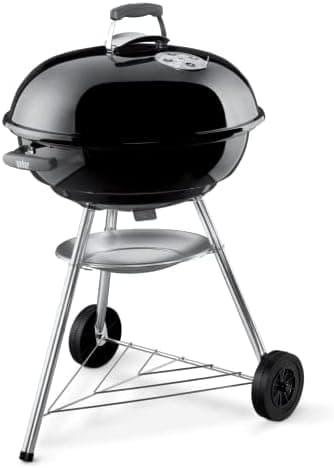
Across the reviewers we read, the Weber Original Kettle 22-inch is the default recommendation for anyone buying their first serious charcoal grill. nytimes.com's charcoal-grill testing features the Weber kettle line, and high-trust r/grilling threads repeatedly call it "the cheapest, most reliable, non-junk grill," praising how easily it sets up for two-zone cooking and how predictably it responds to heat control.

The rest of the rankings

#2,8

Frequently asked

5 questions
Is a Weber kettle or a kamado better for beginners?
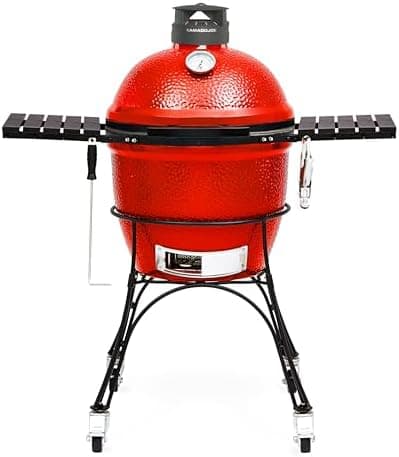
Across the reviewers we read, the Weber kettle is the more common beginner recommendation because it is inexpensive, forgiving, and easy to set up for two-zone cooking. Specialist communities like r/KamadoJoe also call ceramic kamados beginner-friendly once you learn vent control, but they cost far more and reward patience over speed. If your budget is tight and you mostly grill, reviewers lean kettle; if you want set-and-forget low-and-slow and can spend four figures, they lean kamado.
Do I really need a Master-Touch over the cheaper Original Kettle?
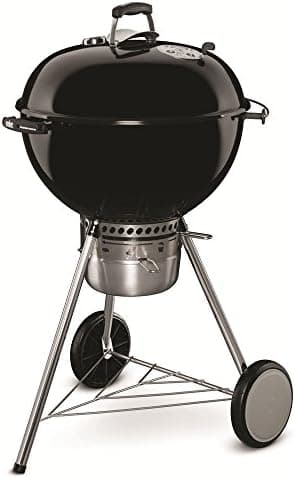
Reviewers are split. r/grilling and r/webergrills threads agree the Master-Touch's hinged grate, taller legs, insulated damper and included accessories are genuine quality-of-life upgrades, but several note the Original Kettle cooks food identically. The consensus is that the upgrade is about convenience and ergonomics, not flavor, so the cheaper kettle is the value play while the Master-Touch is the comfort play.
What's the difference between a steel kamado and a ceramic kamado?
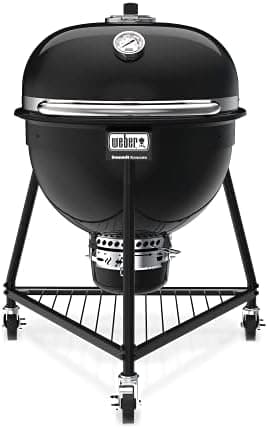
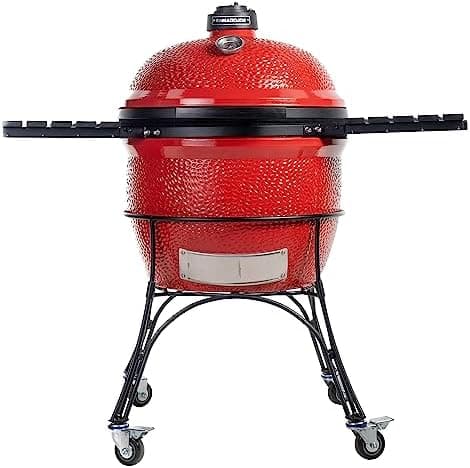
According to amazingribs.com and community threads, ceramic kamados (like the Kamado Joe line) hold heat exceptionally well but are very heavy and can crack, while Weber's steel Summit Kamado uses double-walled insulation to deliver similar heat retention at lower weight and, reviewers note, a lower price than comparably sized ceramic models. Both can sear hot and smoke for 8-12 hours on a single charcoal load.
Are cheap barrel charcoal grills like Royal Gourmet worth it?
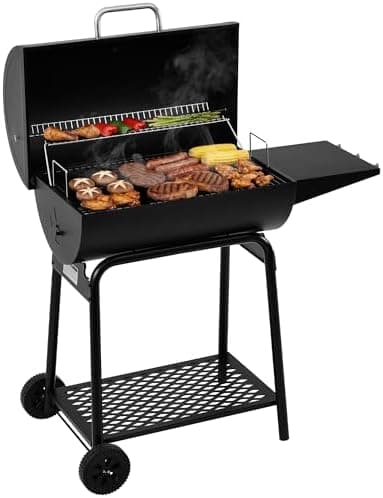
Verified-purchase reviewers and r/grilling threads describe them as solid starter grills for the money, but flag thin steel, rust within a season if left uncovered, fluctuating temperatures, and fiddly ash drawers. The consensus is to buy a cover, clean after each use, and treat it as an inexpensive way to learn rather than a lifetime grill.
How much cooking space do I need?
Community discussion suggests an 18-inch kettle (around 254 sq in) suits one or two people, while a 22-inch (around 380 sq in) is the sweet spot for most families. Larger 26-inch kettles and 24-inch kamados add room for big gatherings but use more fuel and take longer to come up to temperature.