
VerdictAI

Reviewer consensus · 2026

Best Planters & Pots of 2026What 73 reviewers actually think, trust-weighted

Planters and pots span everything from inexpensive plastic nursery sets to heavy ceramic statement pieces and self-watering reservoirs, and the right pick depends heavily on plant type, climate, and where the pot will live. This roundup synthesizes what verified-purchase reviewers, mainstream coverage, and specialist gardening communities have written, weighting independent and high-trust community sources most heavily. We don't test pots ourselves; we summarize the trust-weighted consensus and surface the disagreements rather than smoothing them over.

Sources behind this verdict

73 reviewers, weighted by source trust

At a glance

Compare

Pick any two for a head-to-head

Scores, pros, cons, and our verdict — side by side.

vs

Highest-rated by the consensus

#1 of 8
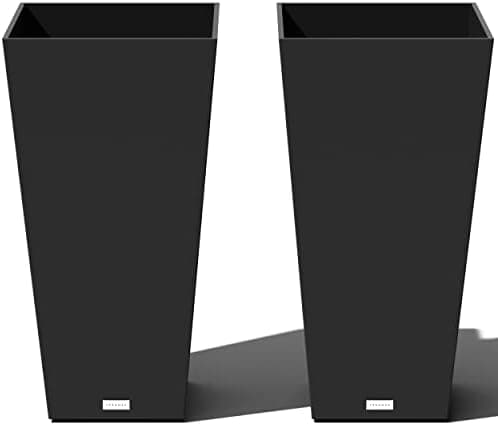
Top pick · #1Veradek V-Resin Indoor/Outdoor Taper Planter, Set of 2 (30 inch, Black)
Best overall

Veradek V-Resin Indoor/Outdoor Taper Planter, Set of 2 (30 inch, Black)

Veradek

★★★★★4.8(6,654)88Great

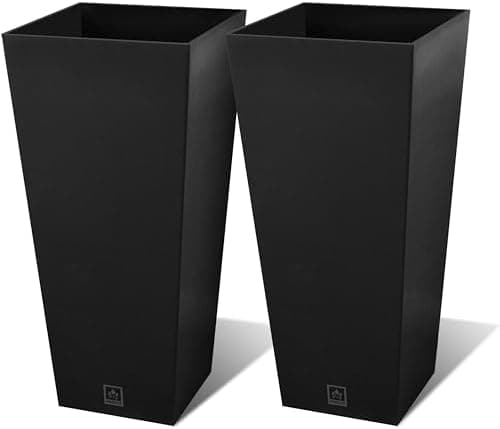
Across the reviewers we read, the Veradek V-Resin taper planter is the most broadly endorsed pick in this category, combining the deepest verified-purchase track record (4.8 stars across more than 6,600 ratings) with consistently positive specialist-community sentiment. Commenters in r/BuyCanadian and r/LandscapeArchitecture praise the scale, quality, and recycled-material construction, with one noting it's 'Canadian made' and another calling the set 'great quality.' The single-wall polypropylene composite is described in retailer listings as scratch- and UV-resistant, and the modern tapered black profile draws repeated style praise.

The rest of the rankings

#2,8

Frequently asked

5 questions
Do self-watering pots actually work, or do they cause root rot?
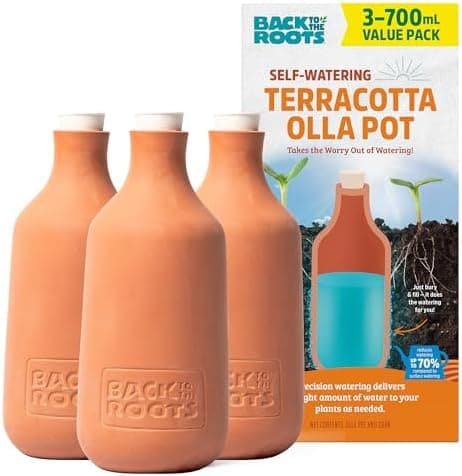
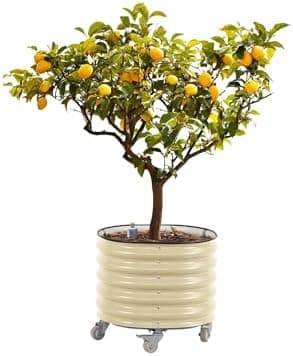
Specialist-community consensus is mixed but largely positive for the right plants. Across r/houseplants and r/IndoorPlants threads we read, many growers report less watering stress and healthy roots, while others warn that moisture-loving setups can give 'wet feet' to drainage-sensitive plants like citrus. The practical takeaway from reviewers: self-watering reservoirs suit thirsty plants and forgetful waterers, but you should pair them with good drainage and avoid them for cacti, succulents, and citrus.
What planter material holds up best outdoors in freezing climates?
Reviewers consistently flag terracotta and unglazed clay as vulnerable to freeze/thaw micro-cracking when wet, with high-trust r/gardening commenters specifically calling this out for wet climates like the PNW. Resin, polypropylene, and resin-stone composite planters are repeatedly cited as the more freeze-tolerant choices because they resist cracking and UV fading, though painted finishes on some composite pots reportedly don't survive frost as well as molded-in color.
Why are large planters (20 inches and up) so expensive?
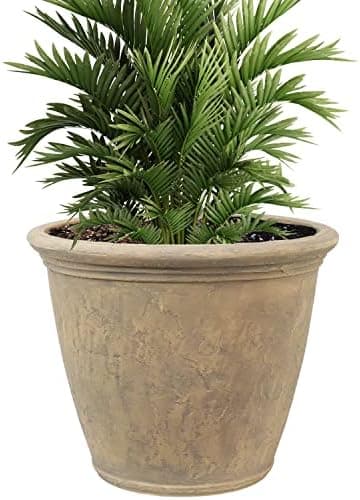
This is a recurring complaint across high-trust r/gardening threads, where shoppers report struggling to find attractive 24- to 30-inch pots under $50–$100. Double-walled resin planters like the Sunnydaze Anjelica and composite designs are frequently recommended as lighter, more affordable alternatives to ceramic, with reviewers noting they stay manageable to move when not filled with soil.
Are plastic self-watering pot sets worth it for indoor plants?
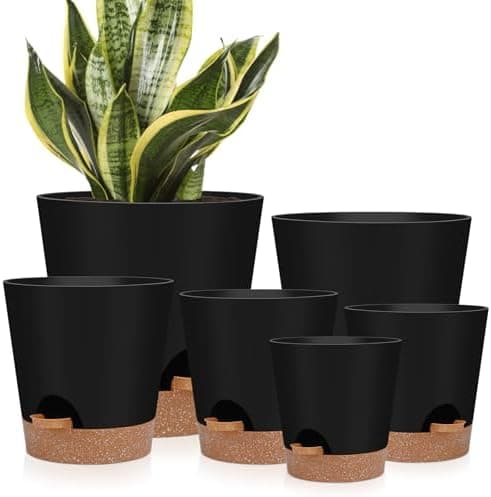
Verified-purchase reviewers and community members generally find budget plastic sets with drainage holes and bottom trays useful for indoor herbs and small-to-medium plants. The caveats reviewers raise: build quality is variable, some 'self-watering' claims are overstated (a few pots are really just bottom-watering trays), and at least one community note flagged a low third-party review-authenticity grade, so cross-check listings before buying in bulk.
Do I need a drainage hole in a ceramic planter?
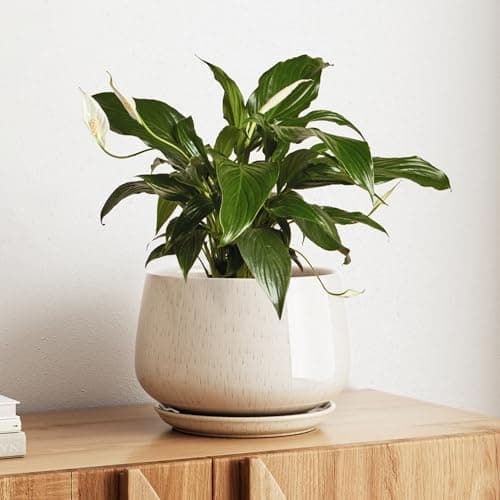
Most experienced growers in the communities we read strongly prefer a drainage hole plus saucer to prevent root rot, and recommend reactive-glaze ceramic pots that include both. For decorative cache pots without holes, the common workaround cited is keeping the plant in its nursery pot and bottom-watering, or drilling a hole yourself.