
VerdictAI

Independent algorithmic synthesis · 2026

Best Cat Carriers

Cat carriers are a category where the right pick depends heavily on use case — a quick vet visit, a cross-country flight, or a road trip with a 20-pound chonker all demand very different designs. The synthesis below pulls together verified-purchase reviews, specialist subreddit threads from r/CatAdvice and r/CatsUK, and product testers on YouTube to surface the consensus picks across hard-sided, soft-sided, top-load, and airline-approved formats. Where reviewers disagree — particularly on whether soft carriers can really handle large or anxious cats — we surface the disagreement rather than smooth it over.

Sources behind this verdict

42reviewers read

Weighted by source trust

We don’t review products. We read what other reviewers wrote, score each source for trustworthiness, and synthesize the consensus.

How sources are scored →

Trust hierarchy

Trusted3
Verified0
Supporting15
Flagged0

Source mix

42signals
  • 1Press
  • 24Community
  • 17Video

Trusted · 3 sources

Independent · documented methodology

At a glance

RankProductBest forBuyer ratingVerdict scorePriceBuyDetails

Highest-rated by the consensus

#1 of 5
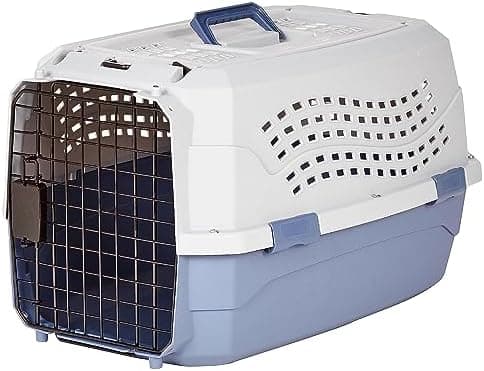
Top pick · #1Amazon Basics Sturdy Portable 2-Door Top-Load Hard-Sided Pet Travel Carrier with Secure Ventilation, Handle…
Best overall

Amazon Basics Sturdy Portable 2-Door Top-Load Hard-Sided Pet Travel Carrier with Secure Ventilation, Handle…

Amazon Basics

★★★★★4.6(64,729)86Great

Across the reviewers we read, the Amazon Basics 2-Door Top-Load is the most consistently recommended hard-sided carrier in this pool. The r/VetTech community thread highlighted the spacious interior, top-loading lid, and sturdy construction as exactly the features that make vet visits less stressful — a meaningful endorsement given vet techs handle dozens of carriers per week.

The rest of the rankings

#2,5

Frequently asked

5 questions
Hard-sided or soft-sided: which is better for a cat carrier?
Specialist-community consensus on r/CatAdvice leans hard-sided for vet trips and anxious cats because they're easier to clean if a cat urinates, more structurally protective, and most have top-loading lids that make it easier to lift a reluctant cat in and out. Soft-sided carriers win for airline travel because they squish under seats, and many reviewers prefer them for short, calm trips. The honest answer most threads converge on: own both if you can.at carrier owners often own both."
What size carrier do I need for a large (15-20 lb) cat?
Reviewers across r/CatAdvice repeatedly flag that carriers marketed for 'large cats up to 20 lbs' are often too cramped in practice — a recurring complaint about soft-sided options like the Gapzer when used with cats over 18 lbs. For genuinely large cats, look at hard-sided XL options (the SportPet XL is rated to 35 lbs) and measure your cat's length from nose to base of tail before buying.
Is 'TSA approved' actually meaningful for airline travel?
No — and r/CatAdvice threads are blunt about this. TSA doesn't approve carriers; individual airlines set under-seat dimensions, and those vary. Always check your specific airline's published carry-on pet dimensions before buying, especially for smaller regional jets and budget carriers like Southwest and Frontier where under-seat space is more restrictive.
Are expensive cat carriers worth it over a $25 Amazon option?
Specialist communities are split. Multiple r/CatAdvice threads praise premium options like Sleepypod for build quality and crash-test certification, while others argue cheap soft carriers are fine for occasional vet trips. The reasonable middle ground from the consensus: spend more if you fly with your cat or drive long distances; a budget carrier is usually fine for routine vet visits.
Why do vets and trainers recommend top-loading carriers?
Top-load designs let you lower a cat in from above rather than coaxing or pulling them through a front door, which is significantly less stressful for anxious cats and easier on the owner. Vet techs commenting on r/VetTech specifically called out top-loading lids and spacious interiors as key features for low-stress handling at the clinic.