
VerdictAI

Reviewer consensus · 2026

Best Cat Food of 2026What 77 reviewers actually think, trust-weighted

Cat food generates an unusually noisy review landscape: Amazon star averages run high across nearly every brand, but specialist communities and ingredient-grading sites frequently disagree sharply with those ratings. This roundup synthesizes what verified-purchase reviewers, ingredient-analysis sites, and specialist subreddits like r/catfood and r/CatAdvice have written, weighting veterinary-alignment signals (such as WSAVA-guideline compliance) and high-trust community consensus over raw star counts. Where reviewers split, we surface the disagreement rather than smoothing it over.

Sources behind this verdict

77 reviewers, weighted by source trust

77reviewers read

Weighted by source trust

We don’t review products. We read what other reviewers wrote, score each source for trustworthiness, and synthesize the consensus.

How sources are scored →

At a glance

Compare

Pick any two for a head-to-head

Scores, pros, cons, and our verdict — side by side.

vs

Highest-rated by the consensus

#1 of 8
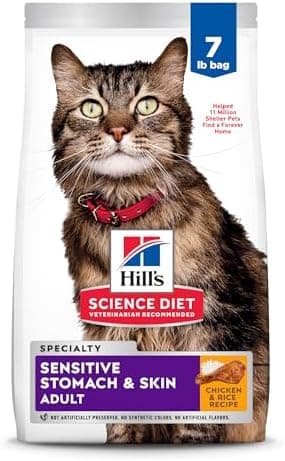
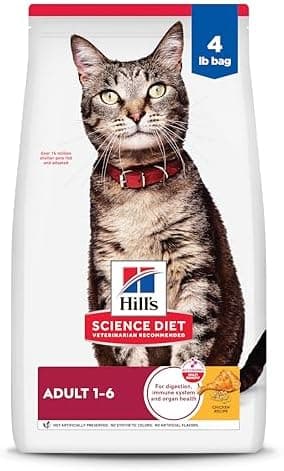
Top pick · #1Hill's Science Diet Adult 1-6 Dry Cat Food, Chicken, 4 lb. Bag
Best overall

Hill's Science Diet Adult 1-6 Dry Cat Food, Chicken, 4 lb. Bag

★★★★★4.7(17,420)86Great

Across the reviewers we read, Hill's Science Diet Adult 1-6 is one of the most consistently vet-aligned dry foods in the category. In r/CatAdvice, a high-trust thread notes that Hill's "is actually one of the foods that is highly recommended in the veterinary profession," meets WSAVA guidelines, and is backed by feeding trials—the same reasoning that recurs across specialist communities.

The rest of the rankings

#2,8

Frequently asked

5 questions
Is wet or dry cat food better?
Across the reviewers we read, the consensus is that wet food helps with hydration and tends to be lower in carbs, while dry food is convenient and cheaper per serving. Many specialist-community posts recommend rotating both, and several high-trust community threads note that the brand's formulation quality matters more than the wet-versus-dry distinction itself.
What does 'vet recommended' or 'WSAVA-compliant' actually mean for cat food?
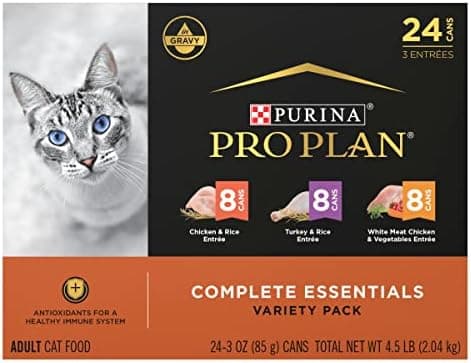
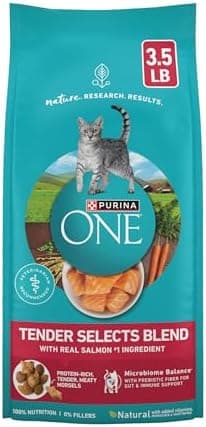
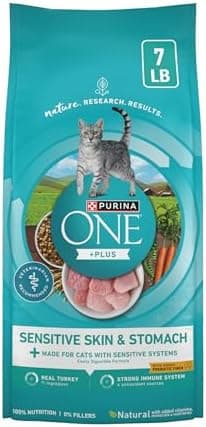
Specialist-community discussion repeatedly points to WSAVA nutritional guidelines and brands that conduct feeding trials and employ qualified nutritionists. Brands like Hill's Science Diet and Purina (ONE and Pro Plan) are frequently cited in r/CatAdvice and r/catfood as meeting these benchmarks, which is why they appear often in vet-office recommendations even when ingredient-grading sites rate them lower.
Why do ingredient-rating sites grade popular brands poorly while reviewers love them?
This is the central tension in the category. Sites like cats.com and catfoodadvisor.com grade on ingredient quality and species-appropriateness and gave several mass-market dry foods C and D grades, while verified-purchase reviewers and many vets prioritize digestibility, consistency, and feeding-trial backing. We weight both, which is why a D-graded budget pick can still rank on real-world performance.
How do I switch my cat to a new food without stomach upset?
Reviewers across communities consistently recommend a gradual transition over 7 to 10 days, mixing increasing amounts of the new food with the old. Several threads flag that abrupt switches—and occasional formula changes by manufacturers—are common causes of vomiting or diarrhea, so introducing slowly and watching stool quality is the repeated advice.
Is more expensive cat food always better?
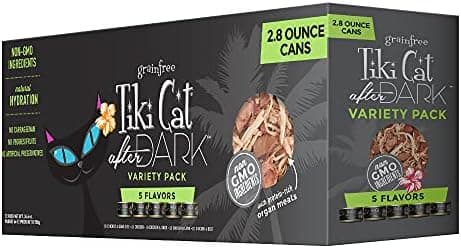
Not according to the consensus we read. Premium brands like Tiki Cat draw praise for ingredient transparency, but high-trust community posts note budget WSAVA-compliant options from Purina perform well for many cats. The recurring theme is that the right food depends on your individual cat's tolerance and palatability, not price alone.