
VerdictAI

Reviewer consensus · 2026

Best Invisible Dog Fences of 2026What 70 reviewers actually think, trust-weighted

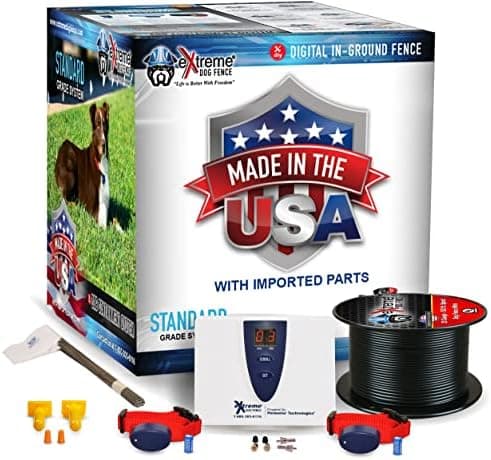
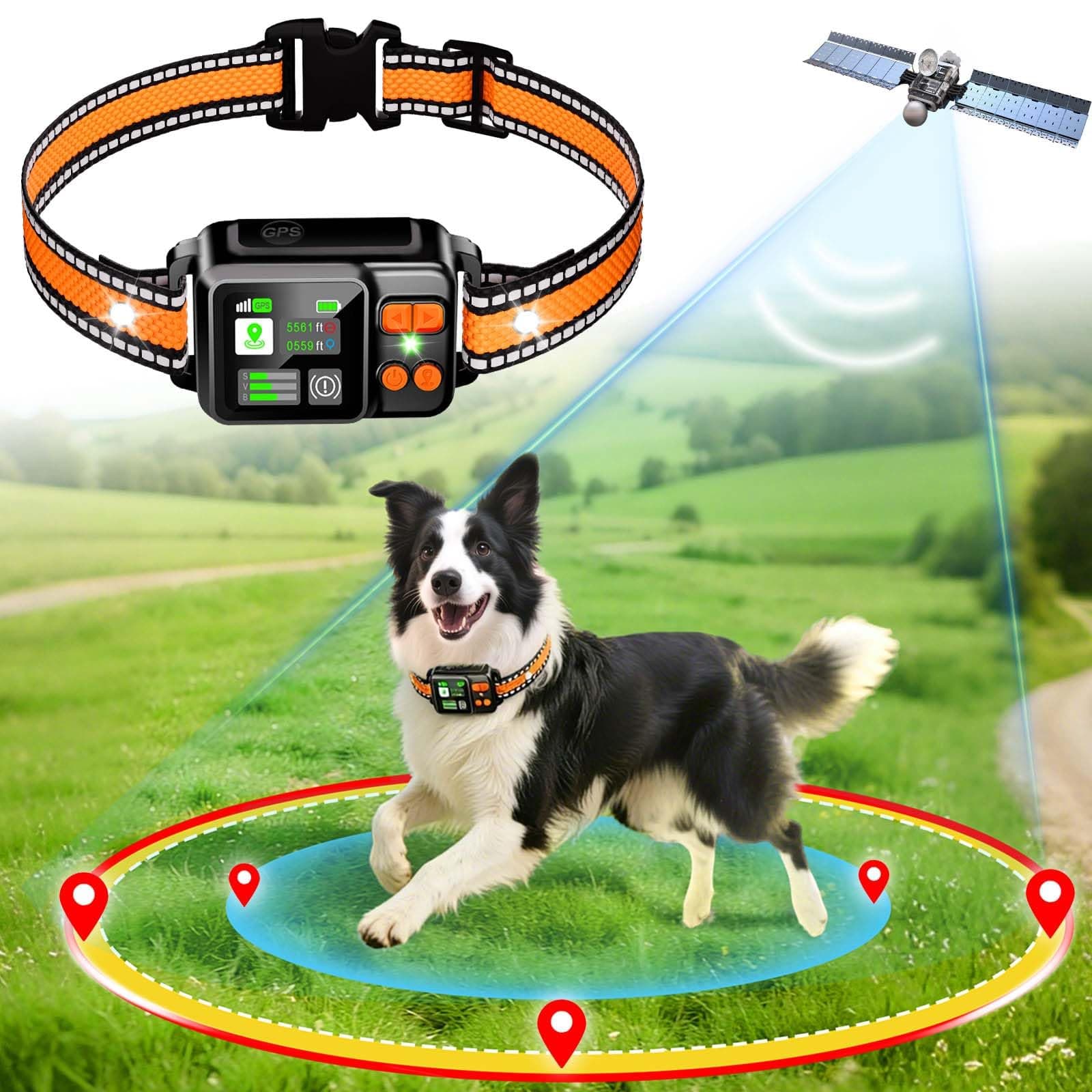
Invisible dog fences split into three broad camps—buried in-ground wired systems, plug-in wireless transmitters, and newer GPS app-based collars—and the consensus across the reviewers we read is that no single design wins for every yard. This roundup synthesizes verified-purchase reviews from major retailers, mainstream how-to coverage, and specialist dog-training and DIY communities to surface where each system actually holds up. Where high-trust community threads contradict marketing claims (notably around fast or stubborn dogs and GPS accuracy under tree cover), we flag the disagreement rather than smoothing it over.

Sources behind this verdict

70 reviewers, weighted by source trust

70reviewers read

Weighted by source trust

We don’t review products. We read what other reviewers wrote, score each source for trustworthiness, and synthesize the consensus.

How sources are scored →

At a glance

Compare

Pick any two for a head-to-head

Scores, pros, cons, and our verdict — side by side.

vs

Highest-rated by the consensus

#1 of 7
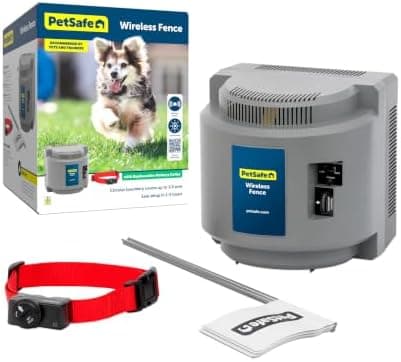
Top pick · #1PetSafe Stay & Play Dog and Cat Wireless Fence – Above Ground Electric Pet Fence – from the Parent Company of…
Best overall

PetSafe Stay & Play Dog and Cat Wireless Fence – Above Ground Electric Pet Fence – from the Parent Company of…

PetSafe

★★★★★4.0(6,733)78Good

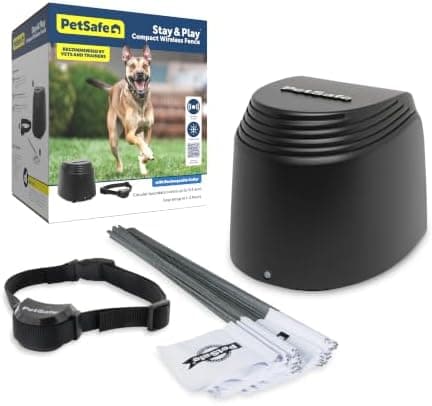
Across the reviewers we read, the PetSafe Stay & Play is the most broadly validated wireless option here, carrying a 4.0 average over more than 6,700 Amazon ratings and additional positive aggregate sentiment summarized by petco.com customers. It's sold under the parent company of the Invisible Fence brand, and the appeal across sources is consistent: no wire to bury, setup measured in a few hours, and a rechargeable, waterproof collar.

The rest of the rankings

#2,7

Frequently asked

5 questions
Do invisible fences actually stop stubborn or fast dogs?
This is the most consistent caveat across the sources we read. High-trust community threads (including r/dogs and r/homeassistant) repeatedly warn that a determined or fast-moving dog can build enough momentum to 'power through' the correction zone, and once outside many dogs won't cross back in. Reviewers broadly agree that proper boundary training—not the hardware alone—is what determines success, and that high-drive breeds are the hardest cases.
GPS wireless fence vs. buried in-ground wire—which is more reliable?
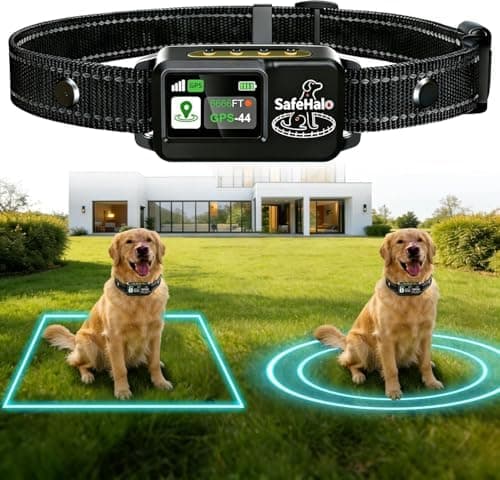
Across reviewers, buried in-ground wire is still regarded as the most precise and consistent boundary because the signal follows an exact physical perimeter, at the cost of installation labor. GPS collars are praised for fast setup and custom-shaped boundaries but several community posts cite accuracy drift of roughly 10–50 feet and weaker performance under heavy tree cover or poor cellular signal. Plug-in wireless transmitters sit in between: easy setup but a fixed circular zone.
Are there monthly subscription fees?
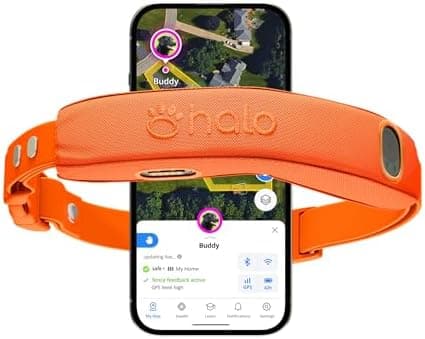
It depends on the type. Several budget GPS fences and PetSafe's plug-in wireless systems are advertised as no-subscription. App-and-network GPS collars like the Halo Collar 5 typically require a paid plan for full tracking features, which reviewers frequently flag as an ongoing cost to factor in. Buried wire systems have no software fees at all.
How long does it take to train a dog to an invisible fence?
Verified-purchase and community reviewers commonly describe a training window of a couple of weeks using flags and tone-only mode before relying on correction. Multiple owners report dogs learning quickly and several note they were able to dial corrections down to beep or vibration once the boundary was understood, but they stress that skipping the structured training stage is the main reason these systems fail.
Do I need professional installation for a buried wire fence?
No—most buried-wire kits are sold for DIY installation, and reviewers say the wire itself is straightforward to lay. The labor is the trench: high-trust DIY threads strongly recommend renting a powered wire trencher for long perimeters in hard soil rather than digging by hand, and note that burial depth affects signal strength.