
VerdictAI

Reviewer consensus · 2026

Best Smart Motion Sensors of 2026What 56 reviewers actually think, trust-weighted

Smart motion sensors split into two broad camps right now: tried-and-true PIR sensors that excel at triggering lights, and newer mmWave presence sensors that can detect a stationary person sitting on a couch. We pulled signals from mainstream tech press, specialist smart-home subreddits, and verified-purchase retailer reviews to synthesize what shoppers actually need to know before picking one, including where high-trust sources and Reddit veterans disagree with marketing claims.

Sources behind this verdict

56 reviewers, weighted by source trust

56reviewers read

Weighted by source trust

We don’t review products. We read what other reviewers wrote, score each source for trustworthiness, and synthesize the consensus.

How sources are scored →

Trust hierarchy

Trusted7
Verified1
Supporting14
Flagged0

Source mix

56signals
  • 3Press
  • 3Retailer
  • 30Community
  • 20Video

Verified · 1 source

Documented methodology · commerce-owned

At a glance

Highest-rated by the consensus

#1 of 5
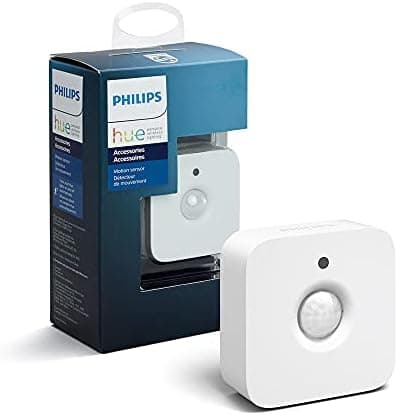
Top pick · #1Philips Hue Motion Sensor - Exclusively for Philips Hue Smart Lights - Requires Hue Bridge - Easy No-Wire…
Best overall

Philips Hue Motion Sensor - Exclusively for Philips Hue Smart Lights - Requires Hue Bridge - Easy No-Wire…

★★★★★4.6(977)88Great

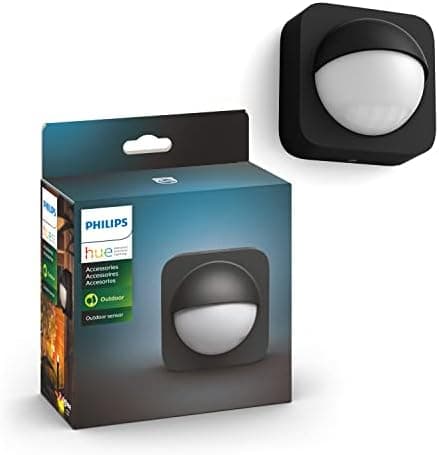
Across the reviewers we read, the Philips Hue Motion Sensor lands as the most consistently recommended indoor PIR sensor in the category. pcmag.com frames it as a straightforward but well-built trigger for Hue lights that also plays nicely with Alexa, Google, and HomeKit, while techradar.com highlights its dual role as a lighting accessory and a light-level/temperature sensor.

The rest of the rankings

#2,5

Frequently asked

5 questions
What's the difference between PIR and mmWave motion sensors?
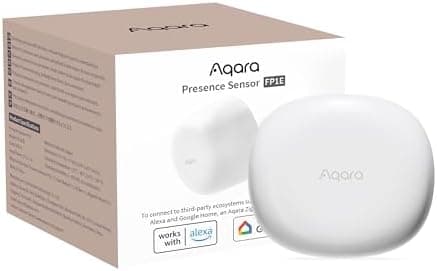
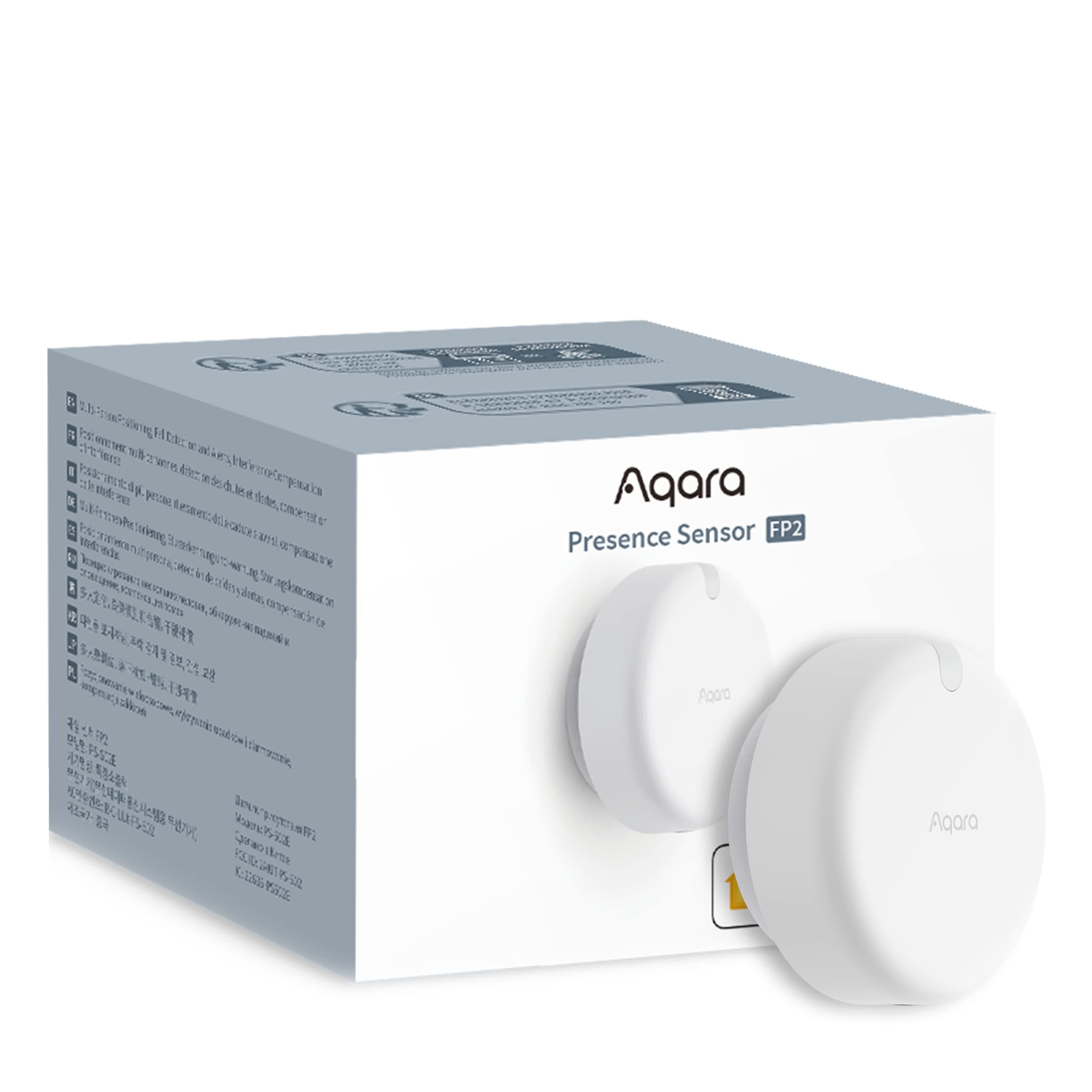
PIR (passive infrared) sensors detect heat-based movement and are fast, cheap, and battery-friendly, but they fail to detect a still person. mmWave radar sensors (like the Aqara FP2 class) can detect breathing and small movements, so they keep lights on while you're reading or sleeping, but they're typically wired, pricier, and more prone to ghost triggers from fans or pets. Most homes are best served by PIR for hallways and bathrooms, with mmWave reserved for living rooms and offices where presence detection matters.
Do I need a hub for a smart motion sensor?
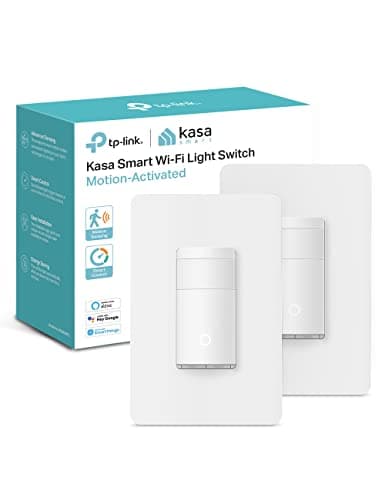
It depends on the ecosystem. Aqara P1, Philips Hue, and Tapo sensors all require their respective Zigbee or proprietary hubs. Wi-Fi-based switches like the Kasa motion switch and the Aqara FP2 don't need a hub but consume more power and Wi-Fi airspace. Reviewers across specialist subreddits consistently note that Zigbee hub-based sensors are more responsive and have far longer battery life than Wi-Fi alternatives.
Will a battery-powered motion sensor really last years?
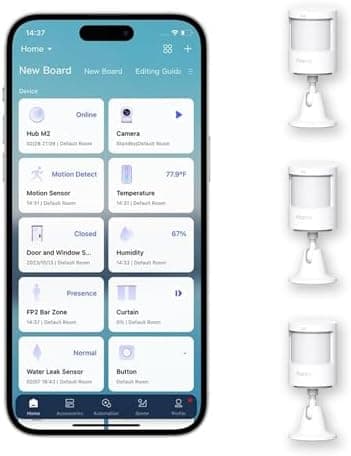
High-trust community threads broadly confirm that low-power Zigbee sensors like the Aqara P1 and Philips Hue routinely deliver 1–3+ years on a single battery in real-world use, though manufacturer claims of 5 years are best treated as best-case figures. Verified-purchase reviewers occasionally report shorter life when sensitivity is cranked up or the sensor sits in a high-traffic area.
Are motion sensors reliable enough for security alerts?
For lighting automations, yes. For security, the consensus across reviewers is more cautious: PIR sensors can miss slow movement and trigger on pets, and mmWave can throw false positives from ceiling fans or HVAC airflow. They're best used as one layer alongside cameras and door/window sensors, not as a standalone alarm trigger.
Can a motion sensor work with HomeKit, Alexa, and Google Home all at once?
Most of the picks here do, but not always through their native hub. The Aqara P1, FP2, and Philips Hue sensors expose motion events to HomeKit, Alexa, and Google after pairing to their respective bridge. Tapo and Kasa lean toward Alexa/Google with weaker HomeKit support. If you're on Apple Home, reviewers in specialist communities lean heavily toward Hue and Aqara.