
VerdictAI

Reviewer consensus · 2026

Best Smart Radon Detectors of 2026What 50 reviewers actually think, trust-weighted

Smart radon detectors have matured from once-a-year charcoal kits into always-on monitors with apps, trend charts, and multi-sensor air-quality data. The picks below synthesize what specialist radon communities, mainstream tech press, and verified-purchase reviewers across major retailers have said about the most-discussed models, with extra weight given to specialist-community consensus on accuracy and to long-running threads comparing devices side-by-side. Where reviewers disagree, particularly on Airthings sensitivity versus Ecosense responsiveness, we surface the disagreement rather than smoothing it over.

Sources behind this verdict

50 reviewers, weighted by source trust

50reviewers read

Weighted by source trust

We don’t review products. We read what other reviewers wrote, score each source for trustworthiness, and synthesize the consensus.

How sources are scored →

At a glance

Highest-rated by the consensus

#1 of 5
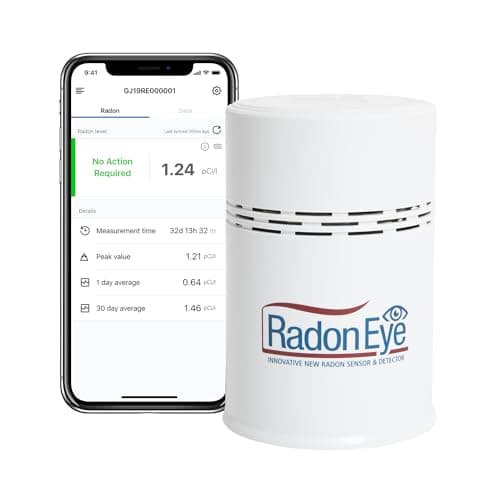
Top pick · #1Ecosense RD200 RadonEye, Home Digital Radon Detector: Fast and Accurate Detection of Fluctuating Radon…
Best Ecosense RadonEye

Ecosense RD200 RadonEye, Home Digital Radon Detector: Fast and Accurate Detection of Fluctuating Radon…

Ecosense Inc.

★★★★★4.5(2,065)86Great

Across the reviewers we read, the Ecosense RD200 RadonEye is the model that specialist radon communities most often point to when the question is raw sensor sensitivity. Multiple r/radon threads describe Ecosense ion-chamber units as 'far better at catching spikes and weather shifts' than the Airthings Wave/View line, and one commenter summarized the prevailing view that 'Ecosense products look like they are the most accurate of the consumer radon detectors.' Amazon's 4.5-star average across more than 2,000 verified reviews lines up with that community read.

The rest of the rankings

#2,5

Frequently asked

5 questions
How accurate are consumer smart radon detectors compared to professional tests?
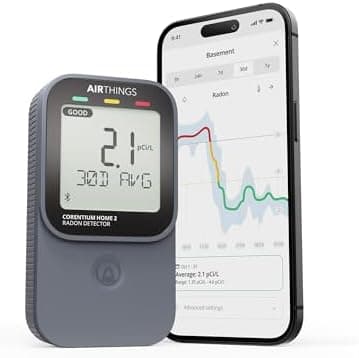
Across the radon-focused communities we read, consensus is that the better consumer monitors (Ecosense RadonEye/EcoQube, Airthings Corentium/View, Aranet Radon Plus) track within roughly 10-20% of professional continuous radon monitors once given enough time to average. Short-term readings in the first 24 hours are noisy on every device; long-term averages are what matter for mitigation decisions.
Ecosense vs. Airthings: which brand do specialists prefer?
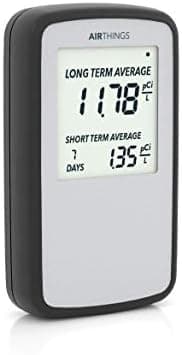
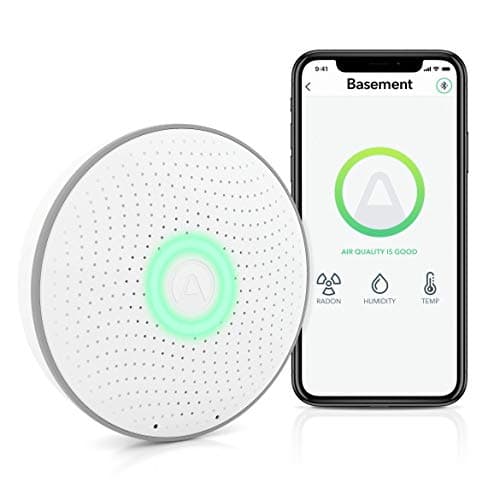
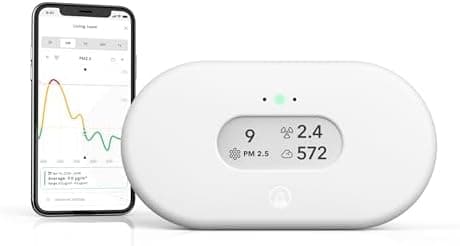
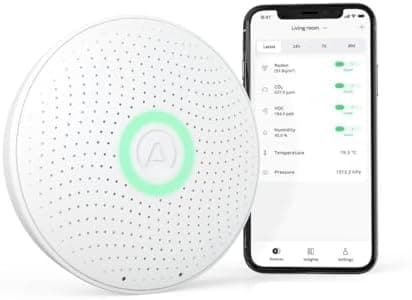
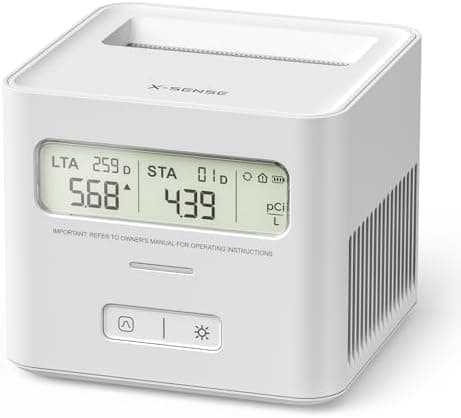
Specialist radon subreddit threads tend to favor Ecosense (RadonEye, EcoQube, EcoQube Flex) for catching short-term spikes and weather-driven fluctuations, citing a more sensitive ion-chamber sensor. Airthings is more often praised for app ecosystem, multi-sensor breadth (CO2, VOC, PM in higher models) and long-term averaging. Several professional radon specialists in the threads we read recommend Airthings to homeowners for ease of use, while hobbyists chasing real-time accuracy lean Ecosense.
Do I need a plug-in/Wi-Fi model or is a battery-powered Bluetooth model enough?
If you only want to confirm whether your home has a radon problem and to verify mitigation after the fact, a battery-powered Bluetooth model (Corentium Home, Wave Radon, Aranet Radon Plus) is sufficient. If you want push notifications, remote monitoring while traveling, or smart-home integration, choose a Wi-Fi model like the Airthings View Radon or View Plus, or a continuously plugged-in Ecosense unit.
How long does it take to get a trustworthy reading?
Manufacturer claims of 10-minute first readings are technically true but misleading. Across community and expert sources, the practical consensus is that any device needs roughly 24-48 hours to give a usable short-term average, and 30-90 days to give a long-term average comparable to an EPA-style test.
Does humidity affect radon detector accuracy?
Reviewers note that some ion-chamber sensors can be skewed by very high humidity; one widely-cited radon subreddit thread specifically flagged this with the RadonEye RD200. Models that also report humidity (most picks here do) at least let you correlate suspicious spikes with environmental conditions.