
VerdictAI

Reviewer consensus · 2026

Best Smart Roller Shades of 2026What 51 reviewers actually think, trust-weighted

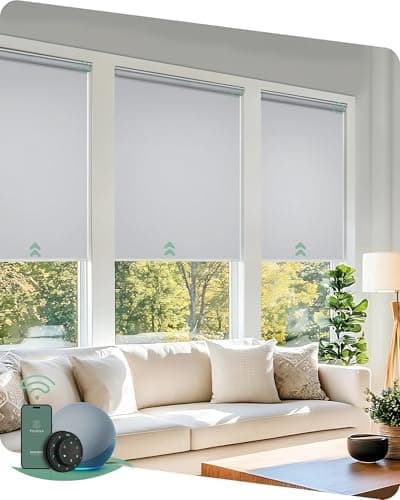
Smart roller shades have gone from niche luxury to a competitive mid-market category, with custom-cut motorized blinds from direct-to-Amazon brands now sitting alongside specialist names that mainstream tech press and specialist smart-home subreddits actively recommend. This roundup is a synthesis of what reviewers across mainstream tech press, hands-on YouTube testers and Reddit's home-automation communities have published, weighted by source trust. We are not testing shades ourselves; we are summarizing the consensus.

Sources behind this verdict

51 reviewers, weighted by source trust

51reviewers read

Weighted by source trust

We don’t review products. We read what other reviewers wrote, score each source for trustworthiness, and synthesize the consensus.

How sources are scored →

Trust hierarchy

Trusted4
Verified0
Supporting9
Flagged0

Source mix

51signals
  • 1Press
  • 30Community
  • 20Video

Trusted · 4 sources

Independent · documented methodology

At a glance

Highest-rated by the consensus

#1 of 5
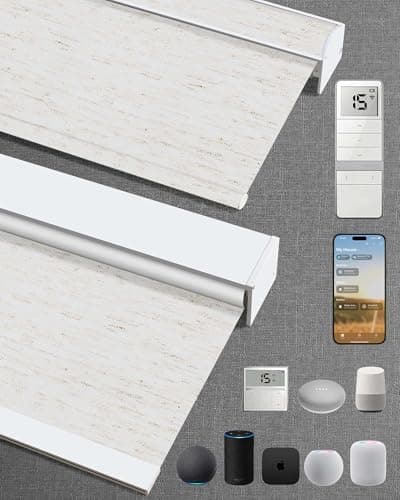
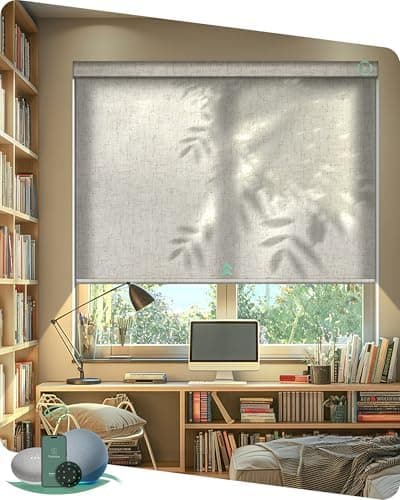
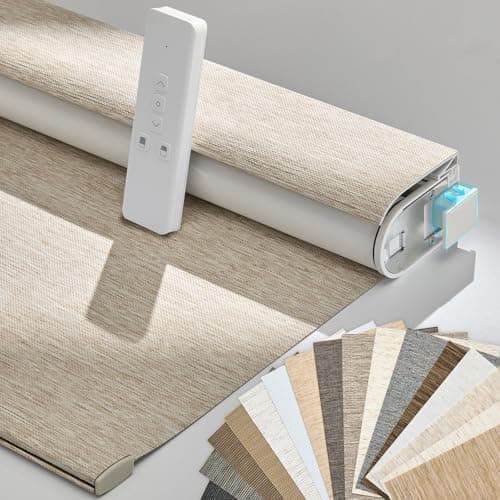
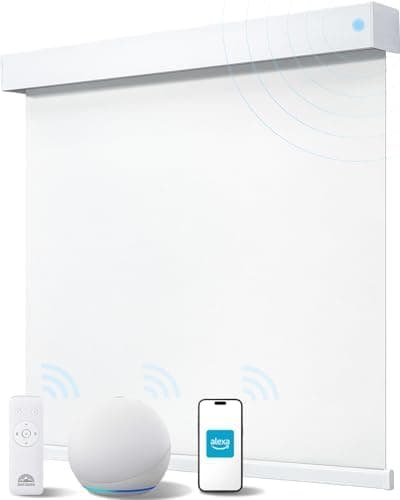
Top pick · #1SmartWings Motorized Roller Shades Work with HomeKit, 100% Blackout Window Shades, Cordless Wireless Remote…
Best overall

SmartWings Motorized Roller Shades Work with HomeKit, 100% Blackout Window Shades, Cordless Wireless Remote…

SmartWings

★★★★★4.6(342)87Great

Across the reviewers we read, SmartWings is the most-recommended mid-market smart roller shade by a clear margin. The New York Times' smart-blinds guide lists SmartWings Motorized Light Filtering Roller Shades and SmartWings Motorized Drapery as its top picks, and gearbrain.com's hands-on review highlights quiet operation, durable build and seamless integration with Alexa, Google and Apple HomeKit.

The rest of the rankings

#2,5

Frequently asked

5 questions
Do smart roller shades work with Apple HomeKit?
Many do, but not all. SmartWings and Kincmo are the two brands repeatedly called out in the signals we read as supporting HomeKit alongside Alexa and Google. Cheaper Amazon-brand shades often advertise 'works with Alexa' but route through a vendor app rather than native HomeKit, so confirm the integration path before buying if HomeKit is a hard requirement.
Are battery-powered smart shades reliable, or should I get hardwired?
Across r/smarthome and r/homeautomation threads in the signal set, owners report rechargeable-motor shades running 4–6 months per charge, with solar trickle-charge panels extending that further. Hardwired is still the gold standard for set-and-forget reliability (Lutron Serena is repeatedly named in those threads as the premium benchmark), but USB-C and solar options have closed the gap for most rooms.
How well do 'blackout' smart shades actually block light?
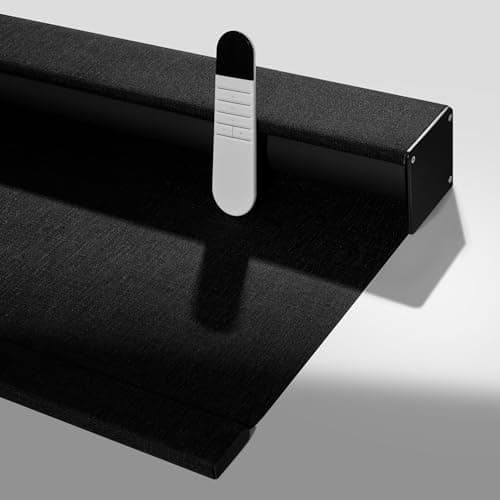
True 100% blackout requires both an opaque fabric and side channels or a tight reveal mount; without channels, owners and reviewers consistently note light bleed at the edges even on shades marketed as 100% blackout. The shades in this roundup labeled blackout use multi-layer fabric that blocks the fabric face fully, but if you need cinema-grade darkness, plan for a deep inside-mount or add side tracks.
Are no-drill smart shades sturdy enough for daily use?
Reviewers and verified-purchase customers in the signal set generally report no-drill bracket systems holding up fine for standard-size windows, with the main caveats being heavier fabrics on very wide spans and renters who reposition shades frequently. For windows wider than about 60 inches or heavier blackout fabrics, drilled mounting is still the safer recommendation.
Is it worth paying more for SmartWings or Lutron over a generic Amazon brand?
The trade-off that comes up repeatedly in the specialist subreddits is reliability and integration depth versus price. Lutron is consistently called the most reliable but costs several times more. SmartWings is the most-recommended middle ground in the threads we read. Kincmo and similar Amazon brands undercut on price and increasingly support Matter, but long-term durability data is thinner.