
VerdictAI

Reviewer consensus · 2026

Best Smart Smoke Detectors of 2026What 55 reviewers actually think, trust-weighted

Smart smoke detectors live in an awkward middle ground: they need to be boringly reliable life-safety devices first, and connected gadgets second. To rank this subcategory, we synthesized verified-purchase reviews from major retailers, expert write-ups from mainstream tech press and Good Housekeeping, and consensus from specialist communities like r/firealarms and r/smarthome. The picks below reflect what reviewers across those sources agree on — including where they disagree.

Sources behind this verdict

55 reviewers, weighted by source trust

55reviewers read

Weighted by source trust

We don’t review products. We read what other reviewers wrote, score each source for trustworthiness, and synthesize the consensus.

How sources are scored →

Trust hierarchy

Trusted4
Verified1
Supporting11
Flagged0

Source mix

55signals
  • 5Press
  • 30Community
  • 20Video

Trusted · 4 sources

Independent · documented methodology

Verified · 1 source

Documented methodology · commerce-owned

At a glance

Highest-rated by the consensus

#1 of 5
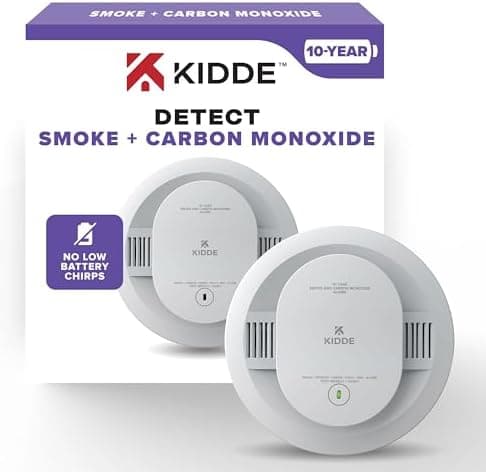
Top pick · #1Kidde Smart Smoke and Carbon Monoxide Detector, Ring App Enabled for Real-Time Notifications, Wire-Free…
Best overall

Kidde Smart Smoke and Carbon Monoxide Detector, Ring App Enabled for Real-Time Notifications, Wire-Free…

★★★★★4.4(125)82Great

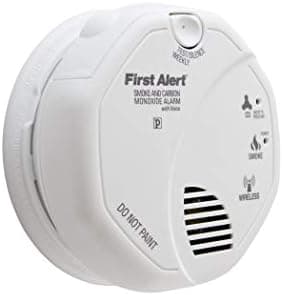
Across the reviewers we read, this battery-powered Kidde Smart Smoke + CO Alarm is the most well-rounded smart pick in the subcategory. Good Housekeeping gave the Kidde Smart Smoke + Carbon Monoxide Alarm with Ring a 2026 Home Reno Award and highlighted that it pushes real-time alerts to your phone over Wi-Fi — a feature that matters most when you're away from home.

The rest of the rankings

#2,5

Frequently asked

5 questions
Do smart smoke detectors actually call the fire department?
Most consumer smart smoke detectors, including all the Kidde/Ring models reviewers covered here, send push notifications to your phone via an app — they do not automatically dispatch the fire department. Professional monitoring (which can dispatch responders) typically requires a paid Ring or equivalent subscription. The detectors themselves still meet UL 217 and sound an 85 dB local alarm regardless of internet status.
Should I get a combination smoke + carbon monoxide detector or separate units?
Across the reviewers we read, the consensus is that a combination smoke + CO unit is more convenient and cheaper than two devices, and is what most homeowners should buy for bedrooms and hallways. Specialist commenters on r/firealarms note that fire codes in many jurisdictions still require hardwired, interconnected alarms — so check local code before going battery-only.
How long do smart smoke detectors last?
UL-listed smoke alarms — smart or otherwise — must be replaced every 10 years from the date of manufacture, a point r/smarthome commenters repeatedly raise. Sealed-battery models like Kidde's 10-year units are designed to be discarded at end of life; replaceable-battery models still hit the same 10-year sensor expiration.
Are Ring-app Kidde detectors worth it over a standard alarm?
Good Housekeeping's review notes the Ring-enabled Kidde models cost roughly twice a dumb detector but add real-time phone alerts, which matters most when no one is home. PCMag's coverage agrees the smart features are useful but flags Ring app subscription pressure for advanced features. If you're never away and don't want another app, a standard 10-year alarm is fine.
Why do some Kidde smart detectors have lower Amazon ratings than the non-smart ones?
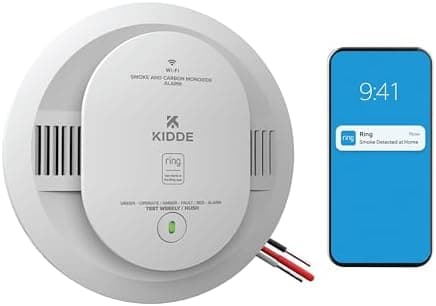
The hardwired smart variant in particular sits around 3.5 stars, and r/Ring threads detail real headaches: each detector registers as its own device in the Ring app, so an alarm can produce a flood of duplicate notifications, and some users report setup difficulties. The non-smart Kidde alarms get higher ratings largely because there's less to go wrong.