
VerdictAI

Reviewer consensus · 2026

Best Smart Water Leak Sensors of 2026What 55 reviewers actually think, trust-weighted

Smart water leak sensors are one of the cheapest forms of insurance a homeowner can buy, but the category is crowded with Wi-Fi pucks, Zigbee sensors, hub-based ecosystems, and full whole-home shutoff valves that all promise the same thing. This roundup is a trust-weighted synthesis of what reviewers across mainstream tech press, specialist smart-home communities, and verified-purchase shoppers have actually written about the leading models. We weighted independent expert coverage and high-trust subreddit consensus heaviest, treated retailer ratings as supporting signal, and discounted vendor-sponsored video reviews accordingly.

Sources behind this verdict

55 reviewers, weighted by source trust

55reviewers read

Weighted by source trust

We don’t review products. We read what other reviewers wrote, score each source for trustworthiness, and synthesize the consensus.

How sources are scored →

At a glance

Highest-rated by the consensus

#1 of 5
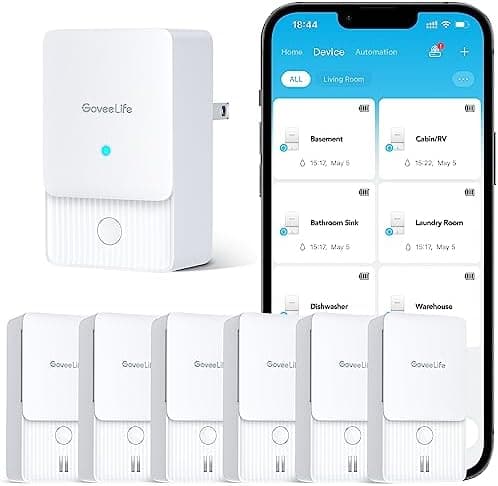
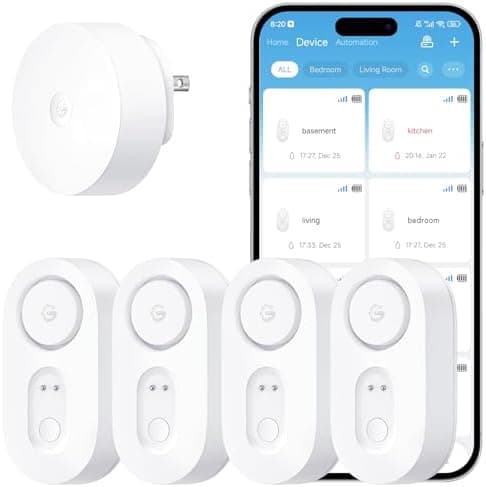
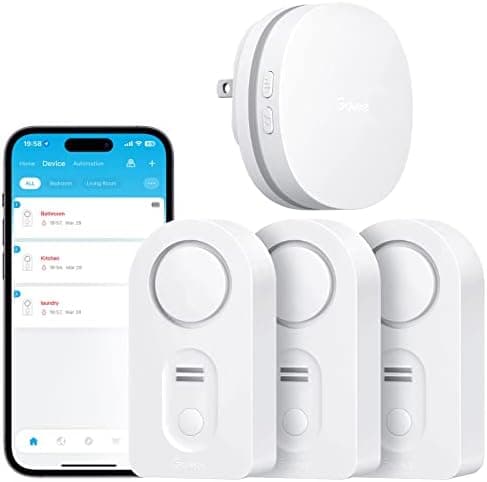
Top pick · #1Govee WiFi Water Leak Detector 3 Packs, Leak Alert with Remotely Email/APP Push and Sound Alarm, Smart Water…
Best overall

Govee WiFi Water Leak Detector 3 Packs, Leak Alert with Remotely Email/APP Push and Sound Alarm, Smart Water…

★★★★★4.3(15,018)86Great

Across the reviewers we read, the Govee WiFi Water Leak Detector 3-Pack is the most-cited mainstream pick in this category. The New York Times' smart-leak-detector roundup highlights its fast Wi-Fi response time and simple setup, and r/homeautomation and r/Govee threads repeatedly describe the sensors as 'great' for the money, with verified owners noting the alarm triggers on even a single drop of water touching the contacts.

The rest of the rankings

#2,5

Frequently asked

5 questions
Do I need a hub for a smart water leak sensor?
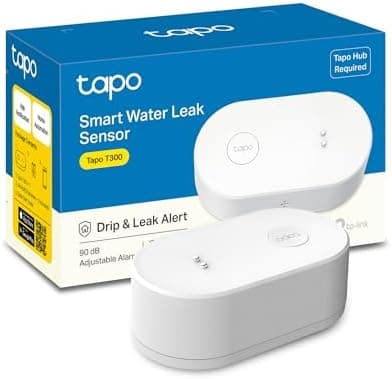
It depends on the protocol. Wi-Fi sensors like the Govee WiFi Water Leak Detector and Shelly Flood Gen4 connect directly to your router. Zigbee-based sensors like the Aqara Water Leak Sensor and TP-Link Tapo T300 require a compatible hub (Aqara Hub, Tapo Hub, or a Home Assistant Zigbee coordinator). Hub-based systems tend to have longer battery life and better range, but Wi-Fi units are simpler to set up for a single trouble spot.
How loud should the on-device alarm be?
Most reviewers consider 90 dB the practical floor for a sensor you expect to hear from another room. The Tapo T300 and Govee WiFi detectors land at 90–100 dB in published specs, which mainstream reviewers describe as audible but not piercing. If the sensor will live in a basement or under a vanity behind a closed door, prioritize push notifications and SMS alerts rather than relying on the local siren alone.
Is a whole-home shutoff valve like Moen Flo worth it over a $20 puck?
Reviewers across the tech press and plumbing-focused subreddits generally say yes for homes where a slow leak could cause significant damage (finished basements, multi-story homes, vacation properties), but with caveats. The Moen Flo and similar valves monitor flow continuously and can shut water automatically, but specialist-subreddit threads also flag long-term reliability concerns and a higher install cost. Pucks only alert after water has already pooled.
Which leak sensors work with Apple Home, Alexa, and Google Home?
Aqara sensors paired with a compatible Aqara hub support HomeKit, Alexa, and Google. Govee Wi-Fi detectors integrate with Alexa and Google but not HomeKit. The Shelly Flood Gen4 is one of the few units in this roundup with native Matter support, which lets it bridge into Apple Home, Google Home, SmartThings, and Alexa without vendor-specific cloud lock-in.
How long do the batteries actually last?
Manufacturer claims and real-world reports diverge. Govee and Aqara both advertise multi-year battery life, but verified-purchase reviewers and r/homeowners threads note real-world life closer to 12 months depending on alert frequency and Wi-Fi signal strength. Zigbee-based sensors (Aqara, Tapo) tend to outlast Wi-Fi sensors because they only briefly wake to talk to the hub.