
VerdictAI

Reviewer consensus · 2026

Best Life Vests (Adult PFDs) of 2026What 45 reviewers actually think, trust-weighted

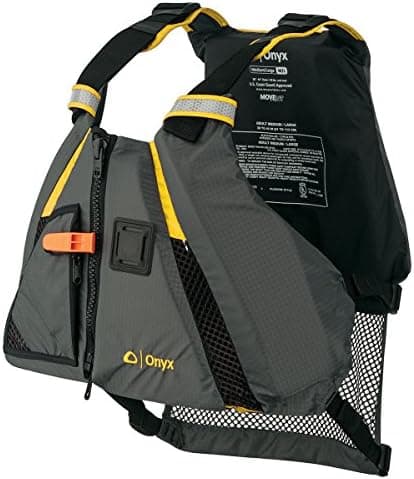
Adult life vest picks are a moving target: a foam Type III paddling vest, a Type V inflatable, and a hybrid belt pack all serve different bodies of water and different missions. The synthesis below weighs USCG-approval status, real-world fit feedback from verified-purchase reviewers, and consensus across specialist paddling and kayak-fishing communities, with the most weight given to high-trust sources where they appear. Where reviewers disagree (notably between budget-tier praise on Amazon and skepticism from specialist subreddits), we surface the disagreement rather than smoothing it over.

Sources behind this verdict

45 reviewers, weighted by source trust

45reviewers read

Weighted by source trust

We don’t review products. We read what other reviewers wrote, score each source for trustworthiness, and synthesize the consensus.

How sources are scored →

Trust hierarchy

Trusted3
Verified0
Supporting11
Flagged0

Source mix

45signals
  • 25Community
  • 20Video

Trusted · 3 sources

Independent · documented methodology

At a glance

Highest-rated by the consensus

#1 of 5
Top pick · #1Stohlquist Universal Fit Adult Life Jacket PFD (4 Pack) Coast Guard Approved, for Men and Women 90+ lbs…
Best overall (Type III foam)

Stohlquist Universal Fit Adult Life Jacket PFD (4 Pack) Coast Guard Approved, for Men and Women 90+ lbs…

Stohlquist

★★★★★4.6(3,425)86Great

Across the reviewers we read, the Stohlquist Fit lands as the most well-rounded foam Type III in this pool. outdoorgearlab.com calls it a high-value pick offering decent fit and mobility for a bargain price, and singles it out specifically for adjustability in their broader life-jacket roundup.

The rest of the rankings

#2,5

Frequently asked

5 questions
What's the difference between a Type III foam PFD and a Type V inflatable?
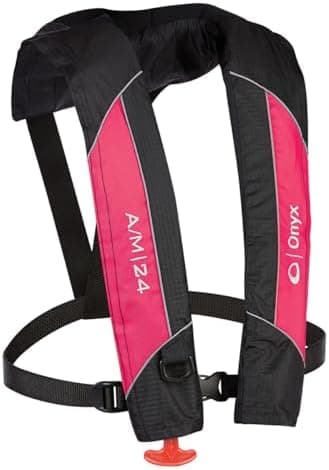
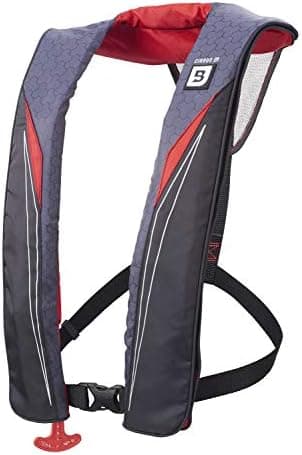
Type III foam vests provide constant buoyancy the moment you hit the water and don't require maintenance beyond inspection, but they're warmer and bulkier. Type V inflatables are low-profile and cooler to wear but only provide flotation once activated (either automatically or manually via ripcord), require annual CO2 cartridge inspection, and many are not rated for non-swimmers or whitewater. Most inflatables are USCG-approved only when worn.
Do I need a paddle-specific PFD for kayaking or SUP?
Across the specialist paddling communities we read, the consensus is yes if you'll be on the water for hours. Paddle-specific vests have higher armholes, thinner foam panels near the shoulders, and often a high-back cut so they don't ride up against a kayak seat. A generic ski/boating vest will work for short trips but tends to chafe and ride up during repetitive paddle strokes.
Are inflatable belt-pack PFDs USCG-approved for kayaking?
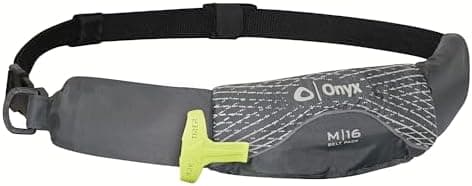
Many manual inflatable belt packs are USCG-approved as Type V devices, meaning they only count toward the legal requirement when worn. They're popular on flat water and SUPs but specialist communities consistently warn against them for whitewater, cold water, or for weak swimmers, since you have to be conscious and able to pull the ripcord to inflate them.
How do I size a life vest correctly?
USCG guidance referenced by mainstream reviewers is to match the vest's listed chest size, then tighten all straps and have someone pull up on the shoulders — if the vest rides up past your ears, it's too loose or too large. Verified-purchase reviewers across retailers frequently flag riding-up as the single most common fit complaint, usually traceable to a vest sized too big rather than too small.
How often should an inflatable PFD be serviced?
Reviewers and manufacturer guidance converge on annual inspection at minimum: check the CO2 cartridge weight, look for corrosion on the firing mechanism, and orally inflate the bladder overnight to verify it holds air. Auto-inflate models also need their water-activated bobbin replaced per the manufacturer's schedule, typically every 1–3 years.