
VerdictAI

Reviewer consensus · 2026

Best Lifting Belts of 2026What 80 reviewers actually think, trust-weighted

Lifting belts span a wide range of materials and closures, from quick-adjust nylon to stiff 13mm competition leather, and the right pick depends heavily on whether you train CrossFit-style metcons or grind heavy powerlifts. This roundup synthesizes what specialist testers and verified-purchase reviewers across the internet have written, weighting high-trust expert sources like garagegymreviews.com and barbend.com over gameable star averages. We read across mainstream tech and fitness press, retailer reviews, and specialist subreddits to surface where the consensus is strong and where reviewers disagree.

Sources behind this verdict

80 reviewers, weighted by source trust

80reviewers read

Weighted by source trust

We don’t review products. We read what other reviewers wrote, score each source for trustworthiness, and synthesize the consensus.

How sources are scored →

At a glance

Compare

Pick any two for a head-to-head

Scores, pros, cons, and our verdict — side by side.

vs

Highest-rated by the consensus

#1 of 8
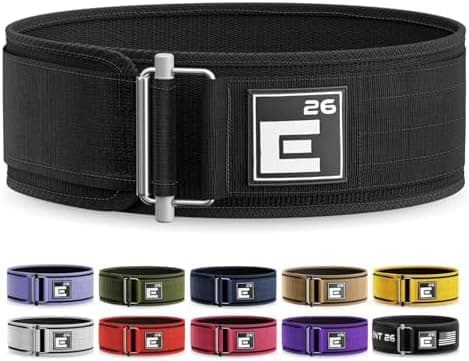
Top pick · #1Element 26 Self-Locking Weight Lifting Belt - 4-Inch Nylon Support for Men and Women - Squat and Deadlift…
Best overall

Element 26 Self-Locking Weight Lifting Belt - 4-Inch Nylon Support for Men and Women - Squat and Deadlift…

Element 26

★★★★★4.5(24,496)88Great

Across the reviewers we read, the Element 26 Self-Locking belt is the most broadly recommended all-purpose option. Both barbend.com and garagegymreviews.com — two high-trust testing-focused outlets — single it out, with barbend.com calling it well-suited to Olympic and CrossFit lifts while still supportive enough for powerlifting, and garagegymreviews.com noting the sturdy nylon handles a wide range of Olympic lifts.

The rest of the rankings

#2,8

Frequently asked

5 questions
Should I get a nylon/velcro belt or a leather belt?
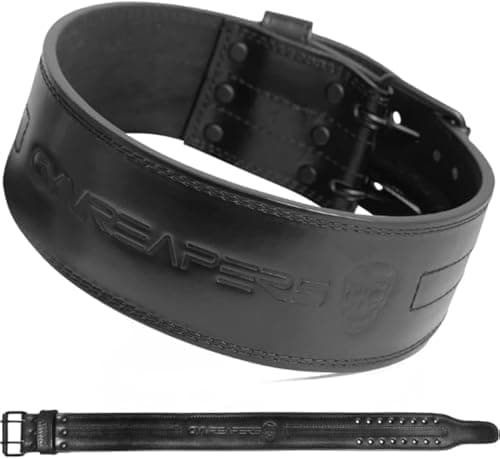
Across the reviewers we read, the consensus is that nylon belts (like the Element 26 or Gymreapers Quick Locking) are more comfortable, easier to adjust, and better suited to CrossFit, Olympic lifts, and general training, while stiff leather prong or lever belts give maximum rigid support for heavy squats and deadlifts. Specialist communities like r/powerlifting and r/naturalbodybuilding generally recommend a 10mm leather belt for serious powerlifting and a nylon belt for everything else.
What thickness lifting belt should I buy — 10mm or 13mm?
Reddit powerlifting threads in the signals repeatedly note that 13mm belts are extremely rigid but can dig into the ribs and gut, especially on deadlifts, and several lifters say they wished they'd bought 10mm instead. The general consensus is 10mm is the most versatile thickness for most lifters, with 13mm reserved for advanced powerlifters who specifically want maximum stiffness.
Are expensive lifting belts worth it over budget options?
Specialist-community discussion is mixed: some r/powerlifting users report $60 budget belts perform identically to premium gym belts, while others on r/powerbuilding say premium belts like Pioneer 'outlive your children.' The practical takeaway from reviewers is that a well-made $30–60 belt is enough for the vast majority of lifters, with premium pricing buying longevity and finish rather than dramatically better support.
Is a lever or prong buckle better?
Reviewers note levers are faster to lock and unlock and deliver consistent tightness, which several r/StrongerByScience and r/tacticalbarbell users praise, but the lever screws can loosen over time (Loctite is a commonly suggested fix). Prong buckles are more adjustable day-to-day for fluctuating waist sizes but are slower to cinch.
Are these belts IPF or competition approved?
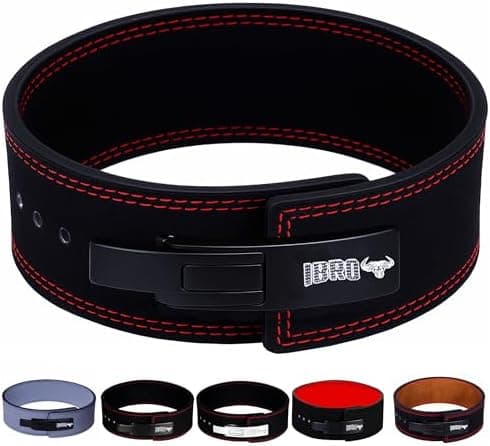
A few picks here, including the 10mm prong powerlifting belt and the IBRO lever belt, are marketed as IPF-approved, which matters if you plan to compete. If you only train recreationally, approval status is irrelevant — choose based on comfort, thickness, and closure instead.